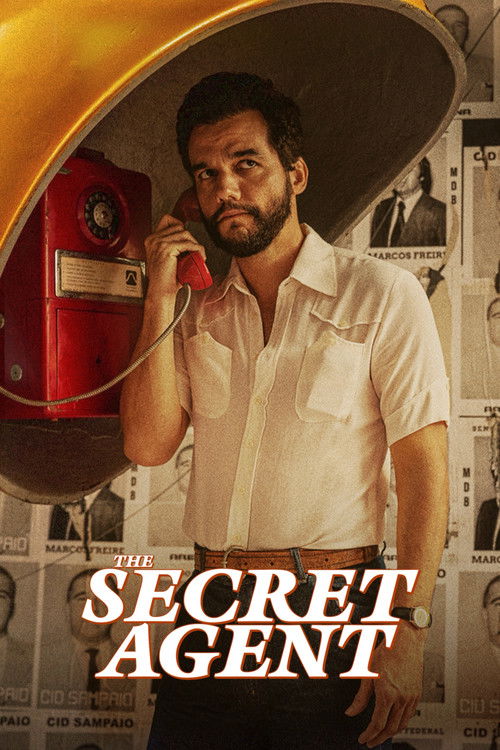
130 Years of Cinema, only what Mendonça Filho needed to built The Secret Agent
Kleber Mendonça Filho
One of the Panavision anamorphic lenses used to shoot The Secret Agent was literally used on the Wyoming set of Close Encounters of the Third Kind in 1977 — the same year Kleber Mendonça Filho's film is set. A physical object, sitting in a case for decades, connecting Spielberg's extraterrestrial vision to Mendonça Filho's political nightmare across 48 years and 8,000 kilometers.
That's the kind of detail that defines The Secret Agent. This is a film where a Panasonic recorder appears on screen because the director's mother — a historian — used to carry one home from work when he was nine. Where a psychedelic Pernambuco album recorded a kilometer from the director's house became the screenplay's secret pulse. Where a Brazilian thriller from 1977 was freeze-framed shot by shot to get the trousers right.
Mendonça Filho has been extraordinarily transparent about his sources — curating a nine-film series at Lincoln Center, giving interviews in English and Portuguese, and openly calling his method "impure cinema." Here are the seven influences that matter most, and exactly what he took from each.
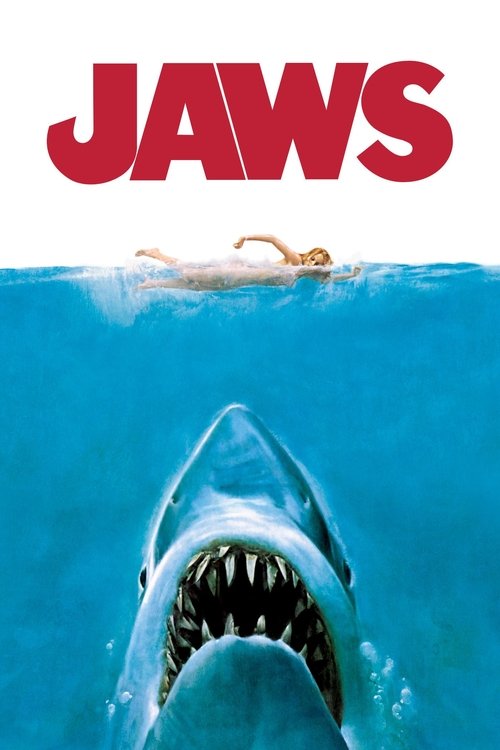
The shark that never left the room
Steven Spielberg comes up in virtually every interview about this film. Not as a vague "1970s cinema" wave of the hand — as a specific, lifelong, almost bodily obsession.
Mendonça Filho is Fernando, the young cinephile in the film. He begged his mother for the Peter Benchley novel — the first book he ever read. His uncles saw Jaws and relayed the entire plot to him; he went to school the next day and did the same with his friends. As he put it, "my Jaws obsession had no boundaries."
What he took isn't homage — it's architecture. Jaws posters hang in Cinema São Luiz. The young Fernando has shark nightmares. And because Recife has a real, documented shark problem at Boa Viagem beach, the Spielberg mythology fuses with autobiography into something neither source could produce alone. An academic in Brazil's largest newspaper read the scene where Fernando's nightmares stop once he finally sees the film as an allegory for the country's relationship with memory: confront the thing, or keep having nightmares.
Then there's Close Encounters, which gave Mendonça Filho a philosophical framework. "You can establish realism, and then you can build whatever you want as a filmmaker on top of that realism." That principle governs the film's wildest element — the surreal Perna Cabeluda creature, animated in retro stop-motion like something from a Ray Harryhausen movie, erupting from inside a grounded political thriller. Spielberg made that permission possible.
The visual bible nobody outside Brazil has seen
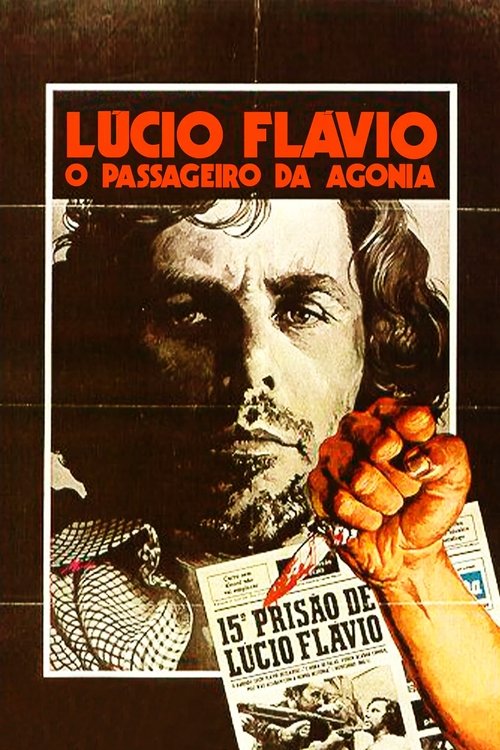
Héctor Babenco's Lúcio Flávio (1977) is the most direct production reference in the entire film — and almost certainly the one English-speaking audiences know least about.
Mendonça Filho and his team didn't just watch it. They went through it frame by frame. "We froze certain frames, and said: 'We should do that: those trousers, that T-shirt, that wall. We've got to get those cars.'" Babenco's gritty thriller about a charismatic bandit and police death squads was shot on real streets during the dictatorship. Mendonça Filho has called it "dirty and mean" and "ours — meaning, essentially Brazilian."
What he took was texture. The costume designer didn't pull from Harper's Bazaar — she went to family photo albums to see what someone's uncle might have worn in 1974. But the visual baseline, the grain and grime and heat of it, came from Babenco. The death squad subplot mirrors Lúcio Flávio's subject directly. A still from the film appears in The Secret Agent's opening montage.
If you want to understand what The Secret Agent looks like before CGI cleaned up the cars and storefronts, Lúcio Flávio is the raw material.
Twenty years to finish a film the military tried to destroy
Eduardo Coutinho's Man Marked for Death, 20 Years Later (1984) is, in Mendonça Filho's words, "probably the most powerful Brazilian film I've ever seen. My favorite Brazilian film."
Coutinho started filming a story about an assassinated peasant leader in 1964. Then the military coup happened. The crew was arrested. Materials were seized. Twenty years later, Coutinho went back, found the leader's widow, and reconstructed everything.
That act — returning to suppressed history decades later — is the structural spine of The Secret Agent. The film's dual timeline, where a young historian in the present plays back cassette recordings from 1977, directly enacts Coutinho's method. And the historian character, Flavia, is a tribute to Mendonça Filho's own mother, who used oral history and a Panasonic recorder to capture voices the powerful would have preferred to forget. "Listen to everyone," she told him, "not only the people in power."
The cassette tape is the film's central object. It came from Coutinho's model and his mother's kitchen table.
Rebuilding a city from a child's memory
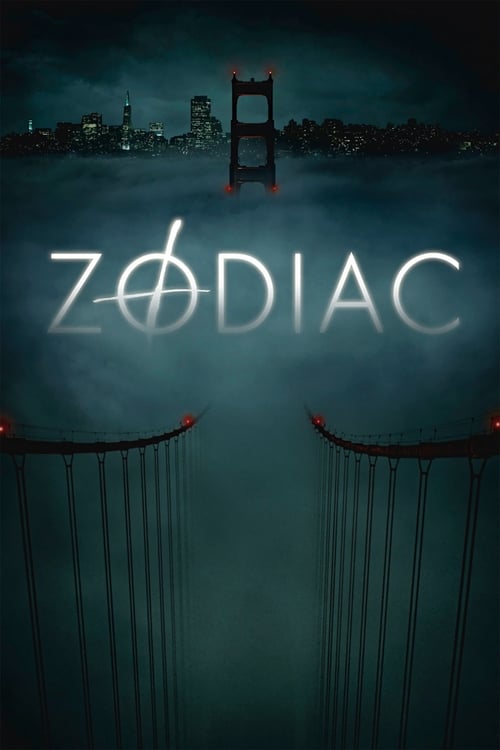
Here's something that only emerged in Portuguese-language interviews: Zodiac was the film Mendonça Filho discussed most with friends while making The Secret Agent.
Not for the serial killer. For the city.
"What interests me most about it is the way Fincher reconstructed San Francisco from when he was a child, when he was about 10, 11, 12. I find it fascinating to take all that money and rebuild a city from a memory." He grouped it with Licorice Pizza and Once Upon a Time in Hollywood as city-as-childhood-memory films — a category he sees The Secret Agent inhabiting.
What he took was the density. The obsessive period-accurate newspapers, posters, lobby cards, cassette tapes, vehicles — all researched historically but filtered through subjective memory. "It's not about any historical fact," he said. "It's about the very vivid remembrance of an era." CGI was used not for spectacle but for period-correct cars and signage. The Zodiac method: make the reconstruction so total that the audience stops noticing it's a reconstruction.
The Australian film that replaced Peckinpah
When an interviewer suggested the opening gas station sequence owed something to Bring Me the Head of Alfredo Garcia, Mendonça Filho corrected him: "The one I really had in mind was Wake in Fright."
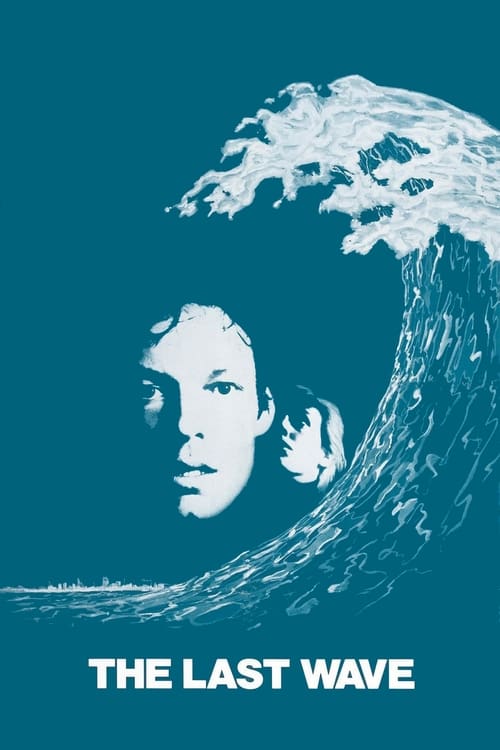
Ted Kotcheff's 1971 Australian nightmare — isolated, carnivalesque, sweating with menace — gave the film its opening temperature. But the Australian connection runs deeper. Mendonça Filho loves the entire wave: The Cars That Ate Paris, The Last Wave, Razorback, the first two Mad Max films ("the second is a fucking masterpiece").
What struck him was a paradox. "Somebody might mistake them for American films, but they definitely were not. They were shot in Panavision and went hard. And when they were tender, they weren't corny." That's the model for The Secret Agent: a Brazilian film from the periphery, made with Hollywood-scale visual ambition, that could never be mistaken for Hollywood. Panavision widescreen applied to Recife's streets the way the Australians applied it to the outback.
A James Stewart hero, filtered through Antonioni
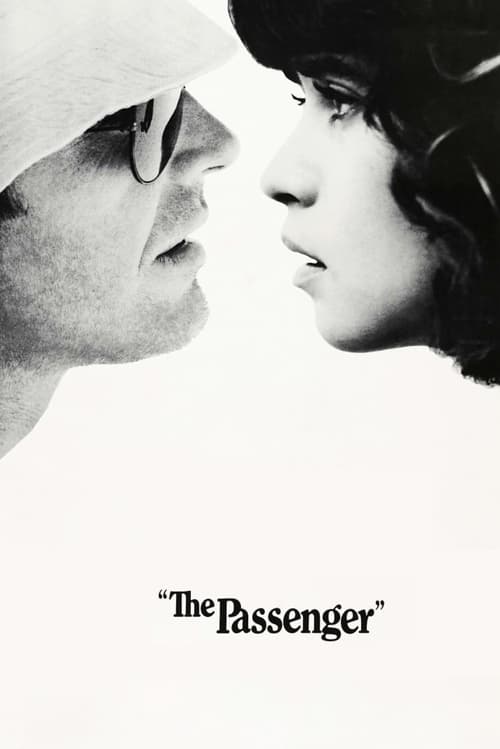
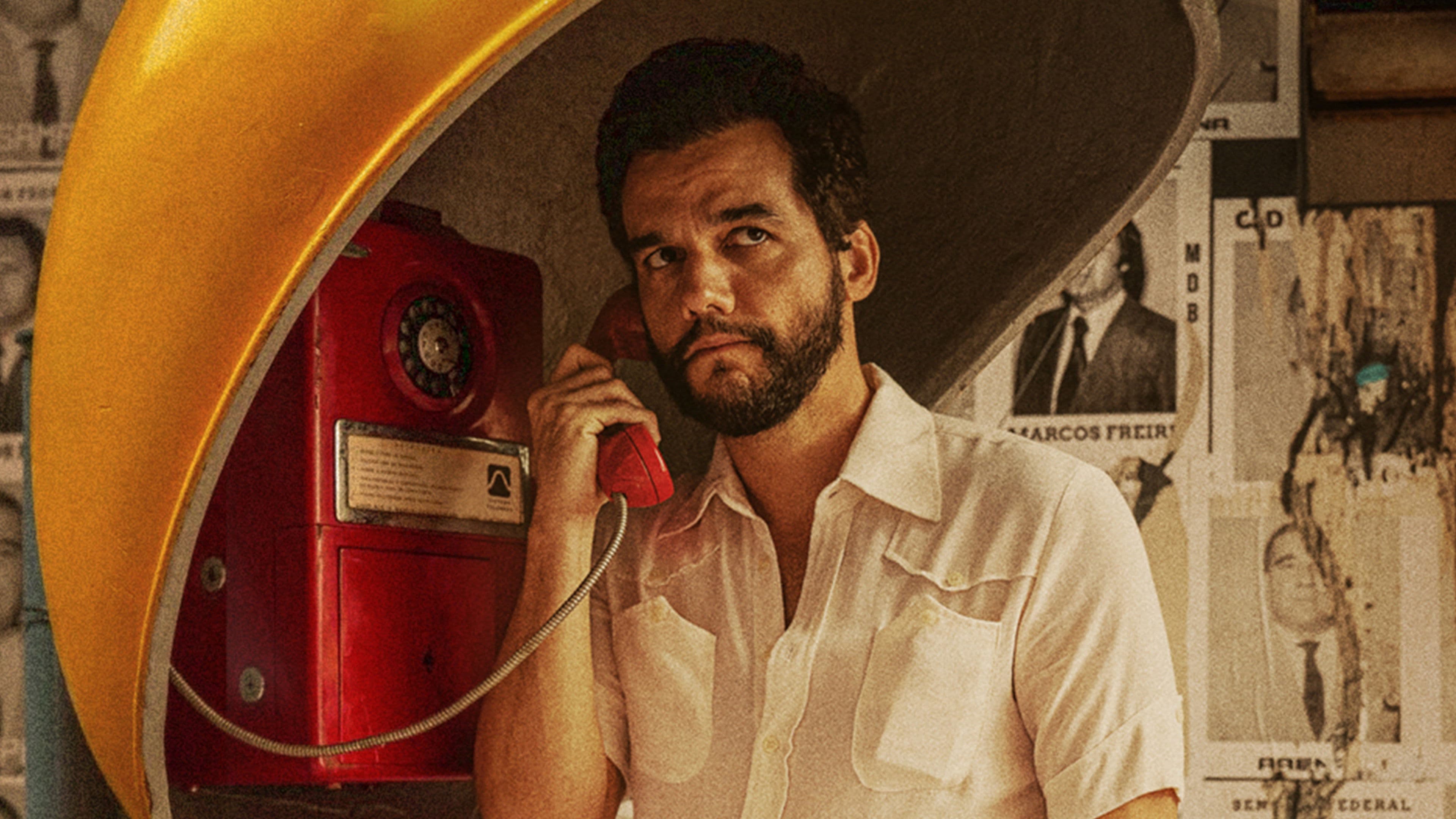
This one came exclusively from the Portuguese press. When asked about constructing Wagner Moura's character, Mendonça Filho reached for two reference points that seem contradictory until they don't: "I wanted a classic hero, of enormous empathy, great charisma, who could be played by James Stewart — or thinking in terms of the '70s, by Jack Nicholson, as in The Passenger."
Stewart's civic decency. Antonioni's existential drift. That's Armando — a man who stumbles into danger not because he's tough but because he's decent, then finds himself unmoored in a reality that punishes decency.
There's a recursive loop buried here that Mendonça Filho clearly delights in. Moura had just performed Ibsen's An Enemy of the People on stage — a play about a man who tells an inconvenient truth and is destroyed by his community. Mendonça Filho then discovered that Spielberg's Jaws was partly inspired by Ibsen's play. "It's all connected in a really crazy way," he said. "It's a great coincidence that explains why there are no coincidences."
The album recorded a kilometer from his house
Paêbirú, the 1975 psychedelic masterpiece by Zé Ramalho and Lula Côrtes, is the only non-film influence that fundamentally shaped the screenplay. Mendonça Filho wrote the script with two specific tracks on repeat — "Harpa dos Áries" and "Trilha de Sumé." He described the music as "almost an independent bacterium inside the film itself."
This connects to the broader musical philosophy: the final chase is scored to Banda de Pífanos de Caruaru's fife-and-drum folk music, one of Pernambuco's oldest traditions. The soundtrack layers Ângela Maria, Donna Summer, Chicago, and Ennio Morricone's score from Come Play with Me. It's a jukebox that sounds like a specific place at a specific time — not curated for cool, but excavated from memory.
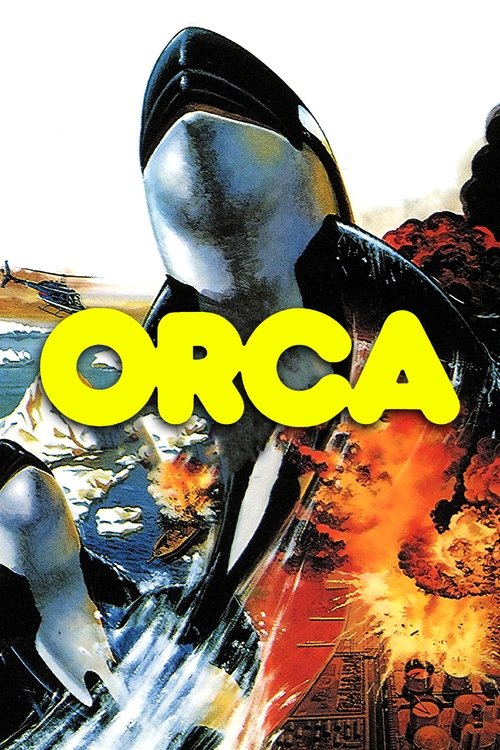
And if you're looking for a gateway to that 1970s genre-cinema layer of the film, Mendonça Filho points to an unexpected place: Orca: The Killer Whale (1977), which he saw as a child at Cinema São Luiz. "It has very strong images of cinema and Morricone's score is wonderful." The bitten-off leg in Orca echoes directly in the Perna Cabeluda creature. Sometimes the most personal influences are the ones nobody would think to ask about.
Where to start
The pattern across all of this is clear: Mendonça Filho doesn't borrow from cinema — he metabolizes it. Every reference has passed through autobiography, through Recife, through his mother's tapes and his childhood theater seats, and emerged as something that could only be Brazilian. "I am a product of everything I've ever consumed," he's said, "and I would be incapable of making a pure film. The more impure the films, the music, the writing itself, the better."
If you watch one film before (or after) seeing The Secret Agent, make it Coutinho's Man Marked for Death, 20 Years Later. It's the moral engine of everything Mendonça Filho built — a film about what happens when you go back to the story a dictatorship tried to erase, and find the people still waiting to tell it. That's not just an influence. That's the whole argument.