The Films Nolan Screened Before Setting Sail: What Really Shaped Its Odyssey
Christopher Nolan
Christopher Nolan has been trying to read James Joyce's Ulysses for 33 years. He finally cracked it during the shoot, prodded by his son, one chapter every weekend, and finished the book in post-production. While he was building the biggest Homer adaptation Hollywood has ever bankrolled, he was quietly closing a three-decade loop with the other great retelling of the same poem.
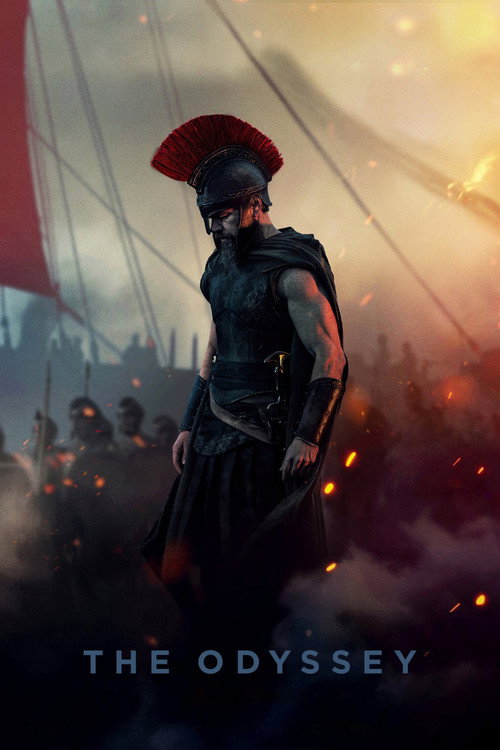
That's the kind of project this is. Nolan didn't just adapt The Odyssey. He assembled a private film school around it: rare prints trucked in, mandatory screenings for cast and crew, a composer summoned to Nolan's house to watch a movie that got itself protested off screens in 1988.
Some of what he screened you'd guess. Most of it you wouldn't. Here's the map.
The monsters he grew up with, finally taken seriously
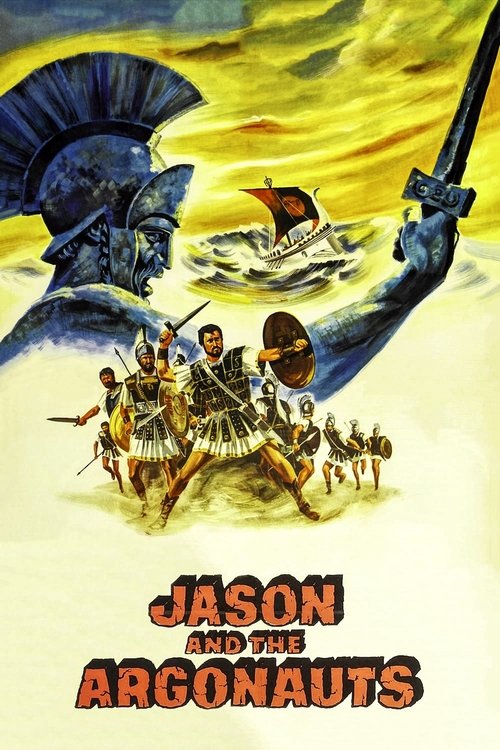
Start where Nolan starts: with a skeleton army. He grew up on Ray Harryhausen's stop-motion myths, and Jason and the Argonauts is the true ancestor here, another Greek hero spending an entire film at the mercy of the sea. But Nolan saw something unfinished in that inheritance. As he put it, he'd never seen that great mythological cinema done "with the sort of weight and credibility that an A-budget and a big Hollywood, IMAX production could do."
So he kept Harryhausen's tactility and threw out the playfulness. The Cyclops is performed physically by Bill Irwin, built with forced perspective, prosthetics and puppetry rather than pixels, and it moves with an eerie slowness that recalls Dynamation creatures. The tone, though, is R-rated and funereal, with the Trojan battles played as war crimes rather than adventure. Watch the skeleton fight in Jason tonight and you'll see the exact thing Nolan is answering: handmade wonder, waiting sixty years for its budget.
The Kurosawa film he screened "as a flier"
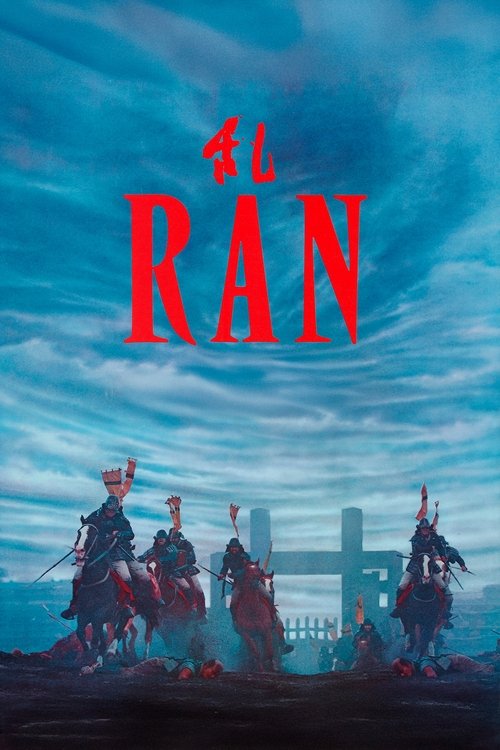
Nolan almost didn't show Ran to his crew. He screened it as a gamble, unsure it was even relevant, and it ended up rewiring the whole picture. What caught him was the wind. As he put it, "there's this relationship between the environment and the wind... Now that I look at our finished film, I think it was a huge influence."
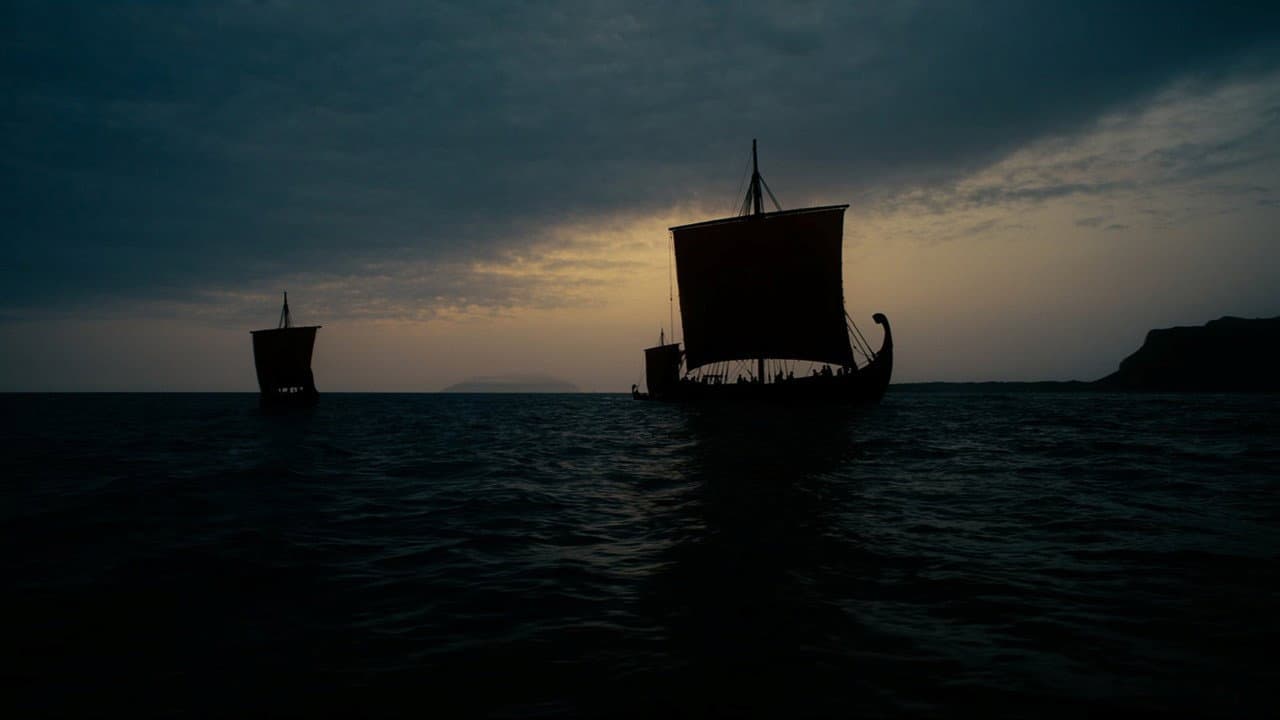
In Kurosawa, the flapping banners and grass bind the humans to something vast and indifferent. Nolan needed exactly that, because he made the single boldest choice of the adaptation: the gods never appear. Poseidon's wrath exists only as weather. Wind, swell, spray. The environment is the pantheon.
Which is why he shot on real open water, in conditions rough enough that he asked seasick extras if he could film them vomiting. They said bring it on, and the footage made the cut among his favorite shots in the film. The crowd choreography of the Troy siege carries Ran's DNA too, masses of soldiers moving like weather systems. If you've never seen Kurosawa's burning castle sequence, silent except for the score, it's the purest version of what Nolan is chasing here.
The Tarkovsky texture under everything
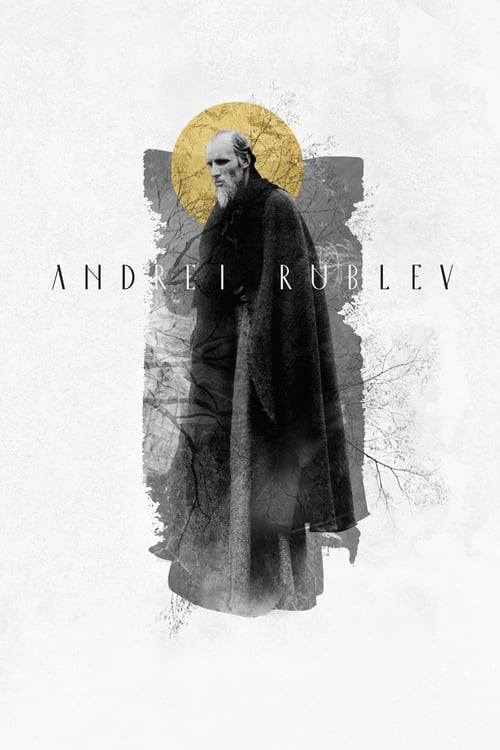
Andrei Rublev was required viewing before cameras rolled, and Nolan's stated reason sounds almost modest: "the textures are pretty remarkable." Mud, rain, rope, weathered wood, faces. Tarkovsky made the medieval world feel like something you could catch a disease from, and that surface realism is the foundation of Nolan's Bronze Age, a mythology you can smell.
But the deeper rhyme is structural. Tarkovsky's icon painter crosses a violent, war-ruined land over many years, losing his faith and finding it changed. Swap the icons for a bow and you have Odysseus's arc almost beat for beat. A man undone by what he's witnessed, wandering through wreckage, trying to remember what he believes. The bell-casting finale of Rublev, a boy gambling everything on knowledge he doesn't have, might be the most Nolan sequence Nolan never shot.
The protested Scorsese film that gave Odysseus his soul
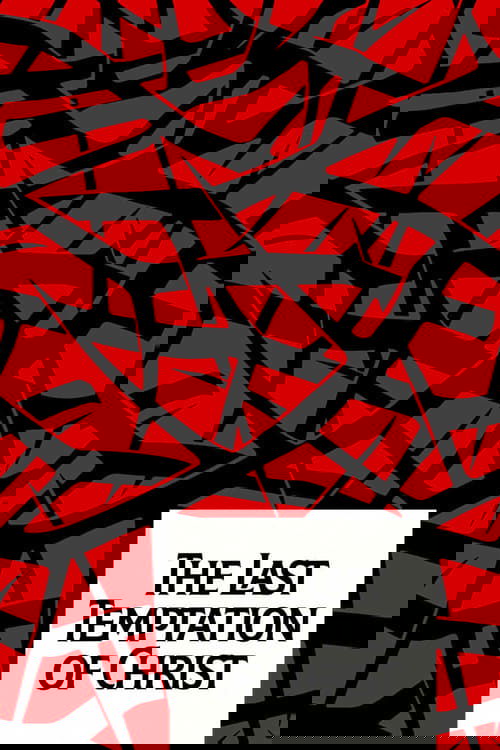
This is the one that stops people. To find his Odysseus, Nolan got a print of The Last Temptation of Christ, screened it in preproduction, and invited Ludwig Göransson to his house to watch it before writing a note of the score. As Nolan put it, Scorsese's treatment of Jesus was "very, very challenging to the audience... quite inspiring from the point of view of Odysseus: You want to be true to all the difficulties of the character."
Think about what Scorsese actually did in 1988. He took the most sacred figure in Western culture and made him doubt, rage, desire. Nolan does the same to the founding hero of Western literature. Matt Damon's Odysseus arrives home not as a triumphant king but as a haunted middle-aged man carrying his own decisions like ballast.
The inheritance even explains the film's loudest controversy. Scorsese let Willem Dafoe and Harvey Keitel keep their American accents, refusing the fake antiquity of British-accented Bible movies. Nolan made the identical call, and the internet lost its mind over it, apparently unaware the precedent was set four decades ago. Watch Dafoe tear his own heart out in the desert and you'll understand what Nolan wanted from Damon.
A shark, a xenomorph, and a friend named Guillermo
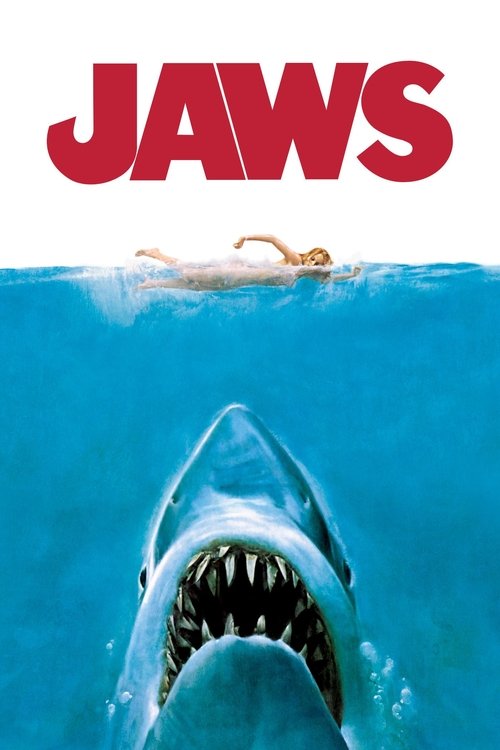
Nolan spent a fortune building the Cyclops, Scylla and the Sirens, then hid most of them in shadow. The playbook is Jaws and Alien: creatures glimpsed in silhouette, dread carried by sound, the audience's imagination doing the heaviest lifting. The Cyclops sequence plays like the shark in Jaws if the shark had worked every day, and Circe's transformations drift in and out of focus, letting you fill in the horror yourself.
There's a third teacher in the room. As Nolan put it, "a huge influence is my friend Guillermo del Toro, because with Guillermo, a monster is never just a monster. It's about: What is their inner life?" Nolan took that seriously enough to Photoshop his own face with a single vertical eye while designing the Cyclops, hunting for something haunting rather than merely big. Revisit Jaws for the first hour, the one where you never see the shark, and you're watching Nolan's monster manual.
Standing where Lean stood
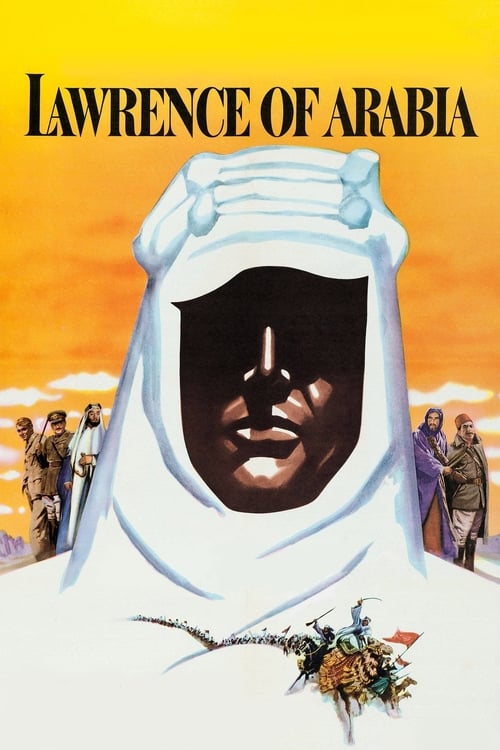
During the Los Angeles stretch of the shoot, Nolan paused production to screen a rare 70mm print of Lawrence of Arabia for cast and crew, a print Tom Holland helped track down from Sony chief Tom Rothman's personal collection. Then Nolan went further. He shot Troy at Aït Benhaddou in Morocco, the same fortress Lean used. He literally placed his camera where Lean placed his.
The Lean template has always been Nolan's north star: enormous scale wrapped around a closed, unknowable man. Hoyte van Hoytema's IMAX close-ups of sun-scorched faces update Freddie Young's desert portraiture, and Odysseus inherits Lawrence's central mystery, a hero whose greatness and damage come from the same place. Watch Peter O'Toole blow out the match and tell me Nolan hasn't been remaking that cut his entire career.
Homer, Kubrick, Homer again
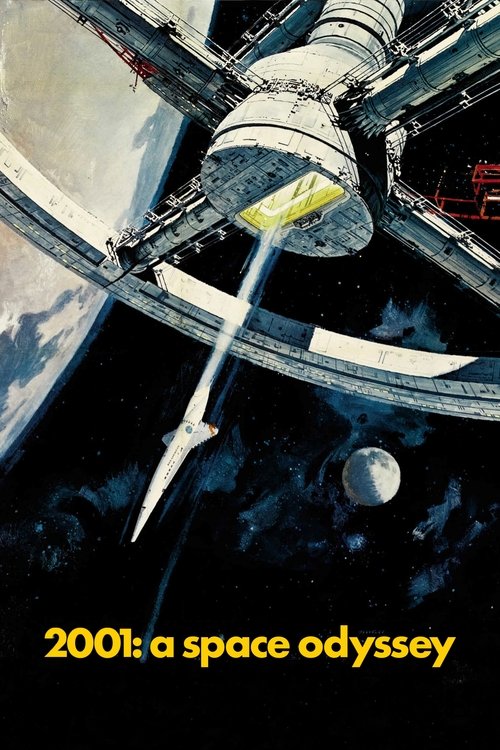
The strangest influence loop in the film: Kubrick borrowed Homer's title for 2001: A Space Odyssey, Nolan answered 2001 with Interstellar, and now Nolan has gone back to the source Kubrick was invoking. He's called 2001 a modern-day echo of Homer, and The Odyssey closes the circle, myth reclaiming its title.
What he took from Kubrick is discipline. Nolan has warned that any filmmaker who borrows from Kubrick too specifically fails, so the inheritance is temperament: the confidence to withhold, the refusal to explain, the patience to let scale generate awe on its own. The underworld sequence, all stark existential imagery, and the anachronistic mix of the production design carry that Kubrickian coolness. Odysseus drifting alone on open water is the Star Child's mirror image, a man returned to the beginning of everything.
The score that banned the orchestra
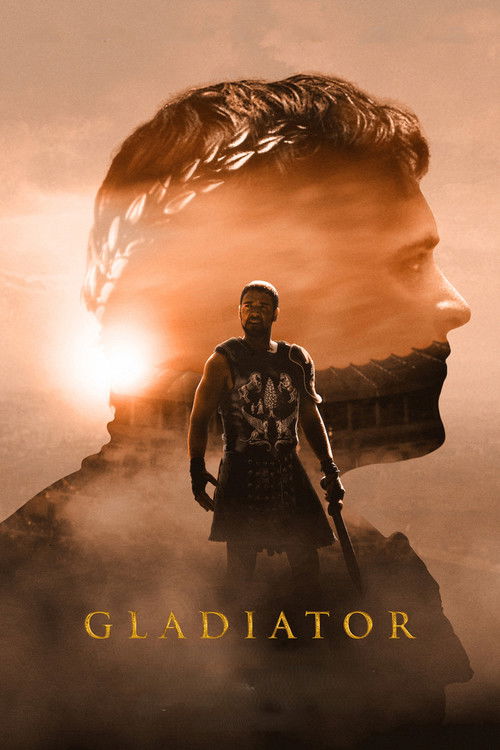
One production influence deserves its slot because it's really an anti-influence. Nolan told Göransson he wanted nothing that sounded like the sword-and-sandal canon, meaning no orchestra at all, since as Göransson put it, "it's not like the orchestra existed back then." Instead: playable replicas of the aulos and the lyre, built from research on ancient urns because no original reeds survive, plus 35 bronze gongs. Bronze Age music made from actual bronze. Nolan himself suggested the lyre should echo the pluck of Odysseus's bow. If you want to hear what the film is refusing, put on Zimmer's Gladiator score, then listen to what Göransson built against it.
Where to start
Lay the map flat and a pattern emerges: every reference points toward weight. Harryhausen's monsters made heavy, Kurosawa's wind made divine, Tarkovsky's mud made mythological, a sacred hero made human. Nolan treats The Odyssey less like an adaptation than a restoration, giving the oldest story in the Western canon the physical credibility he felt it was always owed.
If you watch one film before your ticket, make it The Last Temptation of Christ. It's the key that opens Damon's whole performance, and once you've seen Scorsese's doubting, suffering, stubbornly human Jesus, you'll recognize exactly who's standing on that longship, trying to find his way home.