The influences behind Mendoza & Garland's Warfare
Ray Mendoza & Alex Garland
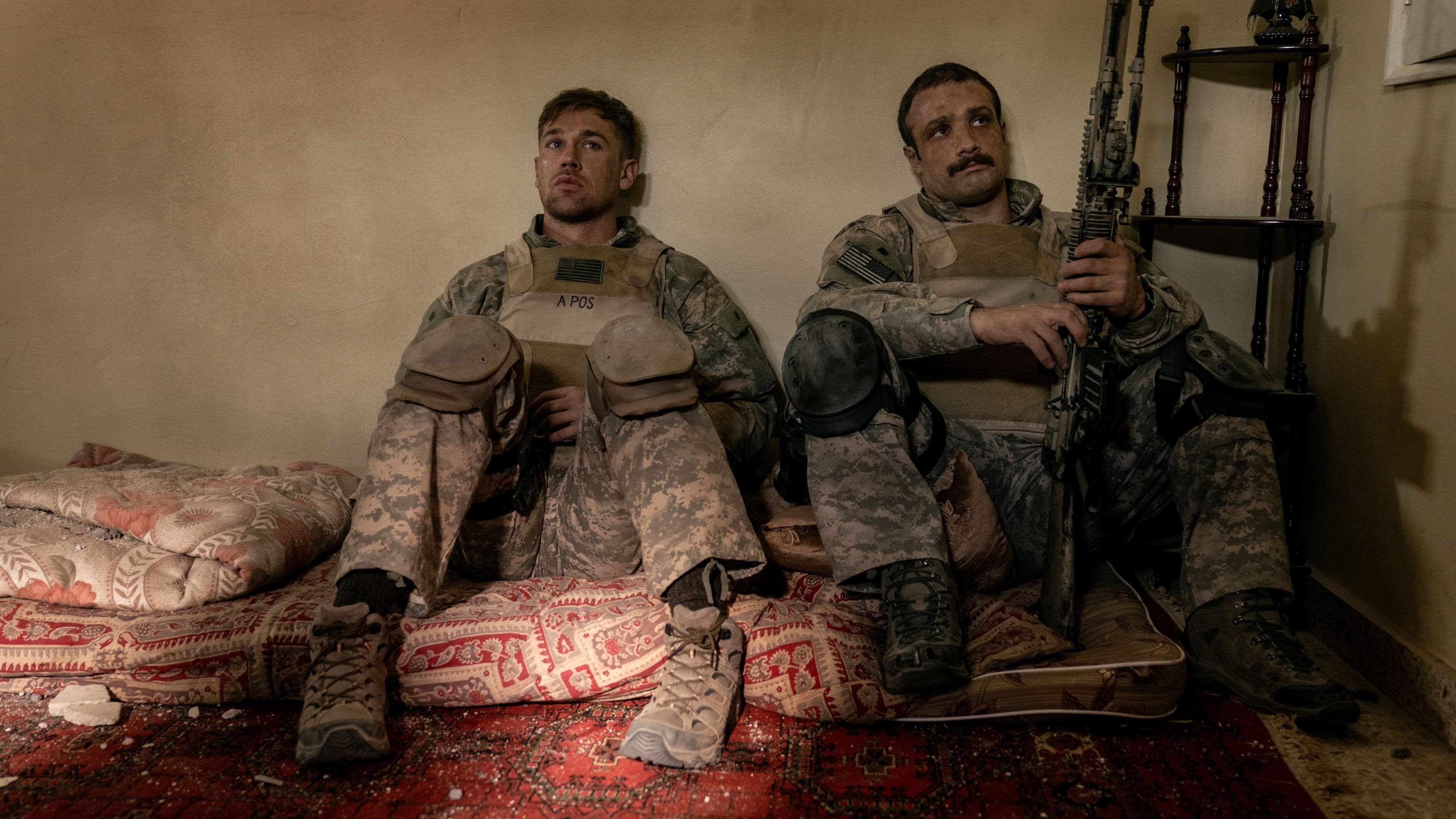
Before every mission in Ramadi, Iraq, in 2006, Ray Mendoza's platoon gathered around a small TV and watched Eric Prydz's "Call on Me" — the one with the aerobics video. It was a superstition, a bonding ritual, a private joke that only made sense if you might not come back. When Mendoza finally co-directed Warfare with Alex Garland nearly two decades later, he put that ritual on screen. It's the first thing you see. Young men crammed together, singing along to something absurd, radiating the kind of warmth that only exists because of what's about to follow.
That contrast — between the last normal moment and the first violent one — is the key to everything Warfare does. And to understand how Garland and Mendoza built a film this formally radical, you have to trace the surprisingly eclectic set of films, rules, and obsessions that fed it.
The Song Before the Storm
Mendoza had been waiting years to use "Call on Me." As he put it, "there's a lot of other vets that work in film, and we've all wanted to use the song — it's almost been like a race." Garland understood its function immediately: the song establishes camaraderie without a single line of expository dialogue. No one tells you who these men are to each other. You just see it. And because the Prydz video actually played in that room in Ramadi, it obeys the film's cardinal rule — nothing invented. The opening is doing triple duty: it's world-building, it's tonal setup, and it's the last breath before the film refuses to let you breathe again.
The Soviet Film That Proved It Was Possible
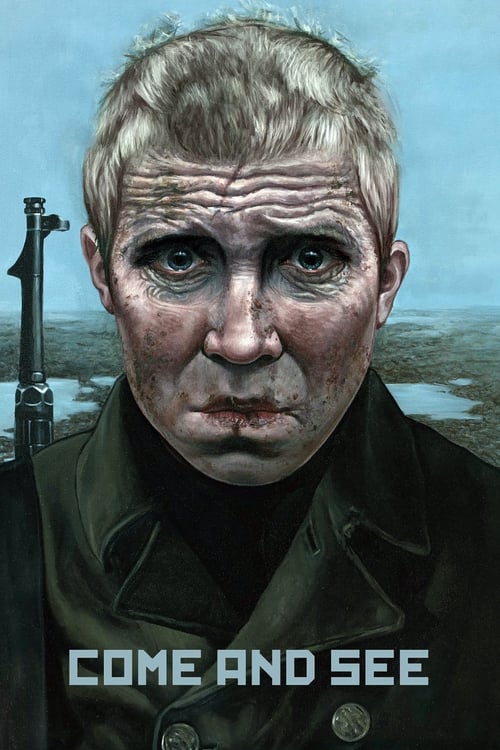
Garland has called Come and See "the most realistic and hard-hitting war movie that exists." But what fascinates him isn't just its power — it's the paradox. Klimov achieved devastating realism through surrealism, warping sound and image to represent how trauma distorts perception. "It plays a really complicated game between the absolute sharp edge of reality and the strangeness of interior surrealism," Garland has said, "and brings the two together perfectly."
Warfare translates that principle directly into its sound design. After the IED detonates, audio fractures into competing subjective realities — tinnitus drowning out radio chatter for one soldier while another hears only screaming. Klimov used a hypnotic soundtrack to degrade his boy protagonist's hearing across the film. Garland and sound designer Glenn Freemantle do the same thing in compressed real-time. Where Come and See ages a child's face by decades in minutes, Warfare achieves analogous horror through prosthetic injuries so viscerally convincing that your body rejects the spectacle before your brain can process it.
If you haven't seen it, Come and See is the single film that makes Warfare's ambition legible.
The French Provocation That Started Everything
François Truffaut declared in 1973 that there's no such thing as an anti-war film — cinema is too inherently seductive. Garland took that personally. Every major formal decision in Warfare is a systematic attempt to defeat Truffaut's dictum: no score, because music manipulates. No backstories, because personal stakes aestheticize suffering. No time compression, because editing manufactures tension. No showing the enemy fall, because confirmed kills provide cathartic release.
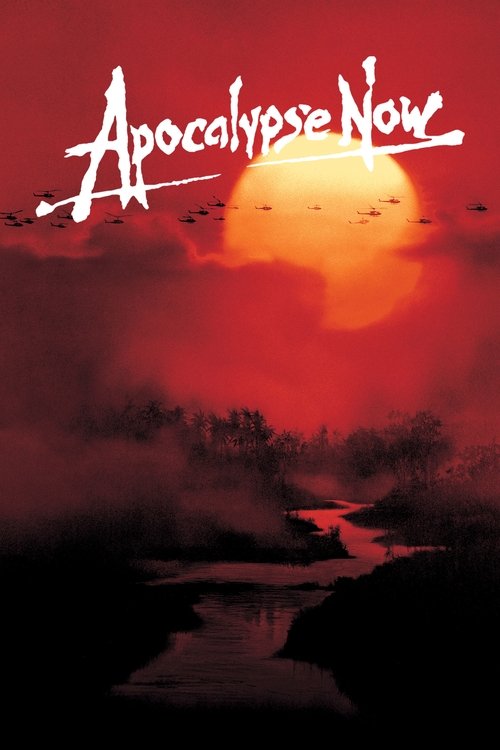
His go-to example of the Truffaut problem? Apocalypse Now. "I don't personally see it as an anti-war movie, because it's too seductive," he's said. "It has a strange, dark romance in it." Warfare strips away every tool Coppola deployed — the mythic journey, the literary source, the operatic score, the godlike voiceover — and leaves only procedure, chaos, and pain. Garland's wager is that if you remove every cinematic device designed to make violence beautiful, what remains might finally be honest.
Five Minutes That Became a Ninety-Minute Film
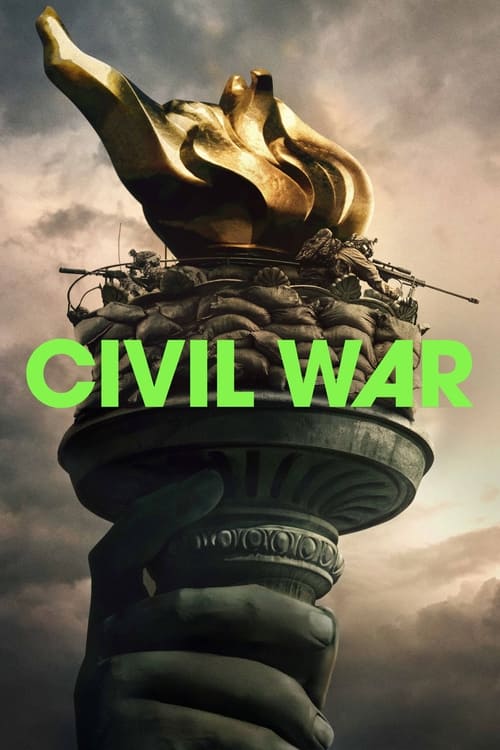
The origin of Warfare is a single sequence inside another movie. During the production of Civil War, Garland handed Mendoza control of the White House corridor assault: "Just do what you guys would do. Don't worry about the cameras." The soldiers moved with real tactical behavior instead of cinematic staging, and Garland was transfixed. "I was seeing textual details, rhythm and authenticity" he'd never encountered before. He cut the sequence with no time compressions, preserving Mendoza's exact rhythms.
Three things transferred directly to Warfare. The camera operator, David J. Thompson, was promoted to DP — specifically because of his ability to shoot authentically chaotic movement. The refusal to compress time in the edit became the entire film's real-time structure. And Garland discovered his own role would need to shift from auteur to what he called "a recorder" — co-writing by transcription rather than invention. One German critic went so far as to call Warfare the iconic photograph that Civil War's burnt-out war journalist always described wanting to take: the single image that tells people, "Don't do this."
The Dogma That Killed the Auteur
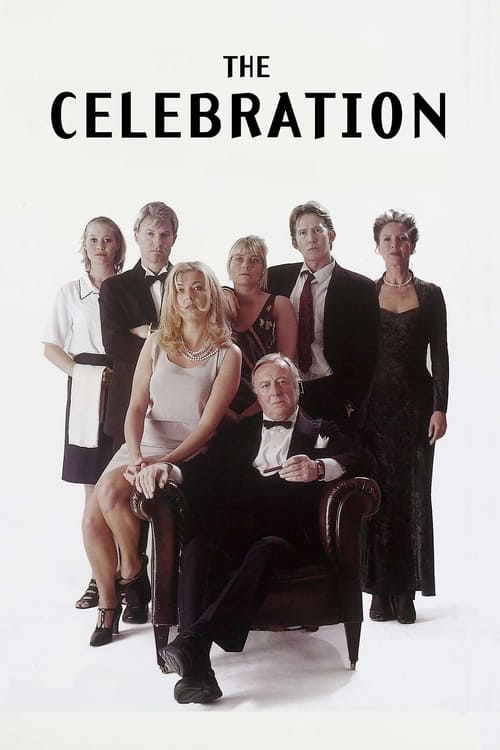
Garland imposed a rule inspired by Dogme 95, the Lars von Trier and Thomas Vinterberg movement of self-imposed creative constraints. But his version was more extreme: "Nobody is allowed to just invent something. Anything that makes its way into the film has to be sourced from a firsthand account." This wasn't advisory. An actor couldn't say "I feel motivated to walk to the window," because if a veteran in the room said "you didn't walk to the window, you sat right there," that was the end of the conversation.
The constraint eliminated character backstories — the kind of material any conventional screenwriter would kill for. It compressed the narrative to real-time because Garland told Mendoza they needed roughly ninety minutes of a single incident — they could slide a window around within it, but couldn't expand or contract it. It even governed the sound: Mendoza wore headphones broadcasting radio chatter during the real event, but after the explosion he stopped hearing it. "So that's exactly what the film does." Production designer Mark Digby built thirteen life-sized buildings in a 360-degree set so the camera could move continuously without cuts — because a cut at a threshold would introduce exactly the temporal manipulation the rule forbade.
The British Minimalist Nobody Talks About
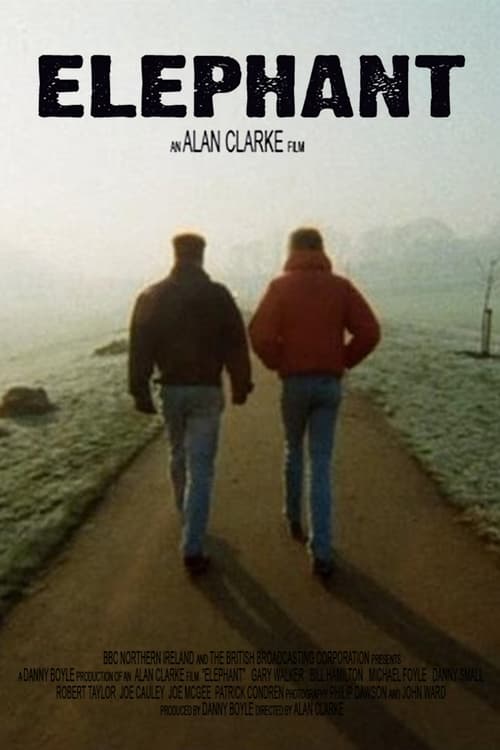
When a journalist proposed Alan Clarke as a comparison, Garland agreed — but drew a crucial line. Clarke's Elephant follows Troubles-era killers in Belfast with cold, sustained Steadicam shots: no backstory, no motive, no commentary. Contact reduces a British Army patrol to the pure phenomenology of waiting and sudden violence. "We're doing a version of Elephant," Garland said, "except everything in our film was in service of Ray's memory" — forensic recreation rather than allegory.
Both Clarke films strip war to its procedural skeleton: single-location confinement, real-time duration, the camera as witness rather than narrator, violence that arrives without dramatic preparation. If Come and See showed Garland that anti-war cinema was possible, Clarke showed him what it looked like with all the ornament removed. Contact in particular — just thirty minutes long — is the most concentrated version of what Warfare stretches to feature length.
The Secret Twin Hiding in a Comic-Book Movie
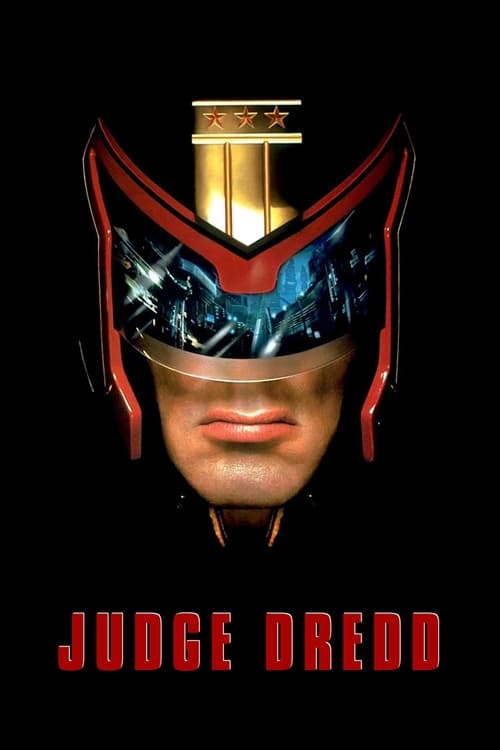
This one comes from a German critic who made the most provocative connection found in any language. Sascha Westphal argued that Dredd and Warfare are Garland's "only pure genre works — characters define themselves exclusively through their actions, not through reflection." Both confine their action to a single structure under siege. Both refuse interiority. Both feature professional operators executing procedure. And both dare you to enjoy the competence on display — then overwhelm you with consequences.
Westphal's key insight: like the Judge Dredd comics born from punk culture, both films operate in a tradition where "affirmation tips into subversion." A surface-level endorsement of violent authority that, through sheer formal commitment, becomes a critique. The filmmaker who made a fascist-cop film and an apolitical-war film isn't neutral — he's using genre's own machinery to take it apart from the inside.
The Gwyneth Paltrow Movie That Haunts a Navy SEAL
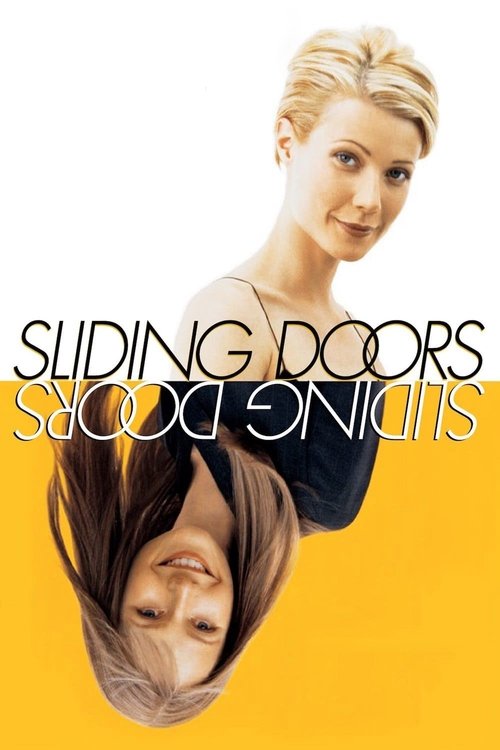
The most disarming influence comes from Mendoza himself. When asked about the films that shaped him, he dropped a name nobody expected: "There's a film I could name that you'll probably be shocked. It's called Sliding Doors. That movie has resonated with me more than any other movie ever."
It makes perfect sense. Sliding Doors is about how one small divergence — catching or missing a train — changes everything. That's combat distilled to its essence. A step to the left instead of the right. A half-second delay. Warfare's real-time structure, which Garland devised independently, expresses the exact same idea: the precise sequence of events matters absolutely, and the film won't let you forget it by compressing or rearranging time. Mendoza's favorite movie and Garland's formal instinct arrived at the same place from opposite directions.
What the Map Reveals
Trace these influences together and a pattern emerges. Garland didn't just make a war movie — he built an elaborate trap designed to catch cinema's oldest trick: making violence beautiful. Every reference point served the same function. Come and See proved the goal was achievable. Truffaut defined the enemy. Clarke provided the aesthetic blueprint. The Dogme movement supplied the methodology. And Civil War's corridor sequence revealed the collaborator who could make it real.
The result is a film that feels less directed than channeled — filtered through so many constraints that what reaches the screen has the irreducible quality of something that simply happened.
If you want to start somewhere, start with Come and See. It's the film that convinced Garland that cinema could look at war without flinching, and it's the reason Warfare exists. Fair warning: you won't shake it easily. That's the point.