The Heist Films Kelly Reichardt Loved
Kelly Reichardt
Kelly Reichardt kept a folder of art heist clippings for years before she knew what to do with them. Newspaper stories about the Isabella Stewart Gardner robbery. A de Kooning that lived in a bedroom for decades. Then she found the one that mattered: a 50th-anniversary article about the 1972 Worcester Art Museum robbery — the first armed art heist in U.S. museum history — and what caught her wasn't the thieves. It was the teenage girls doing homework in the gallery who got swept into the whole thing.
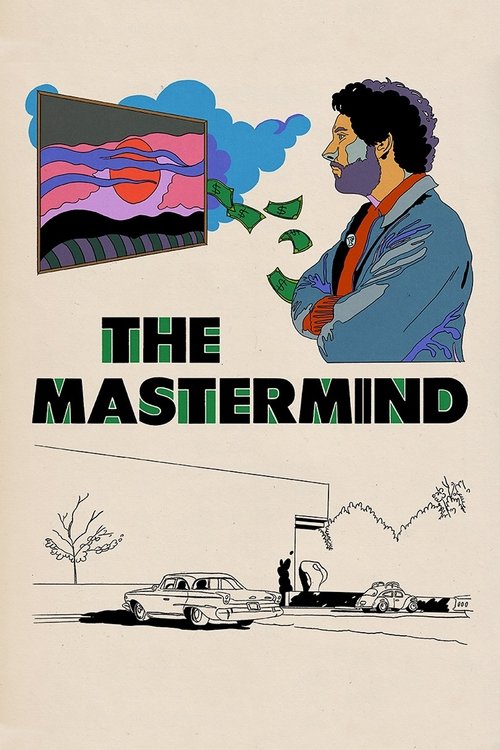
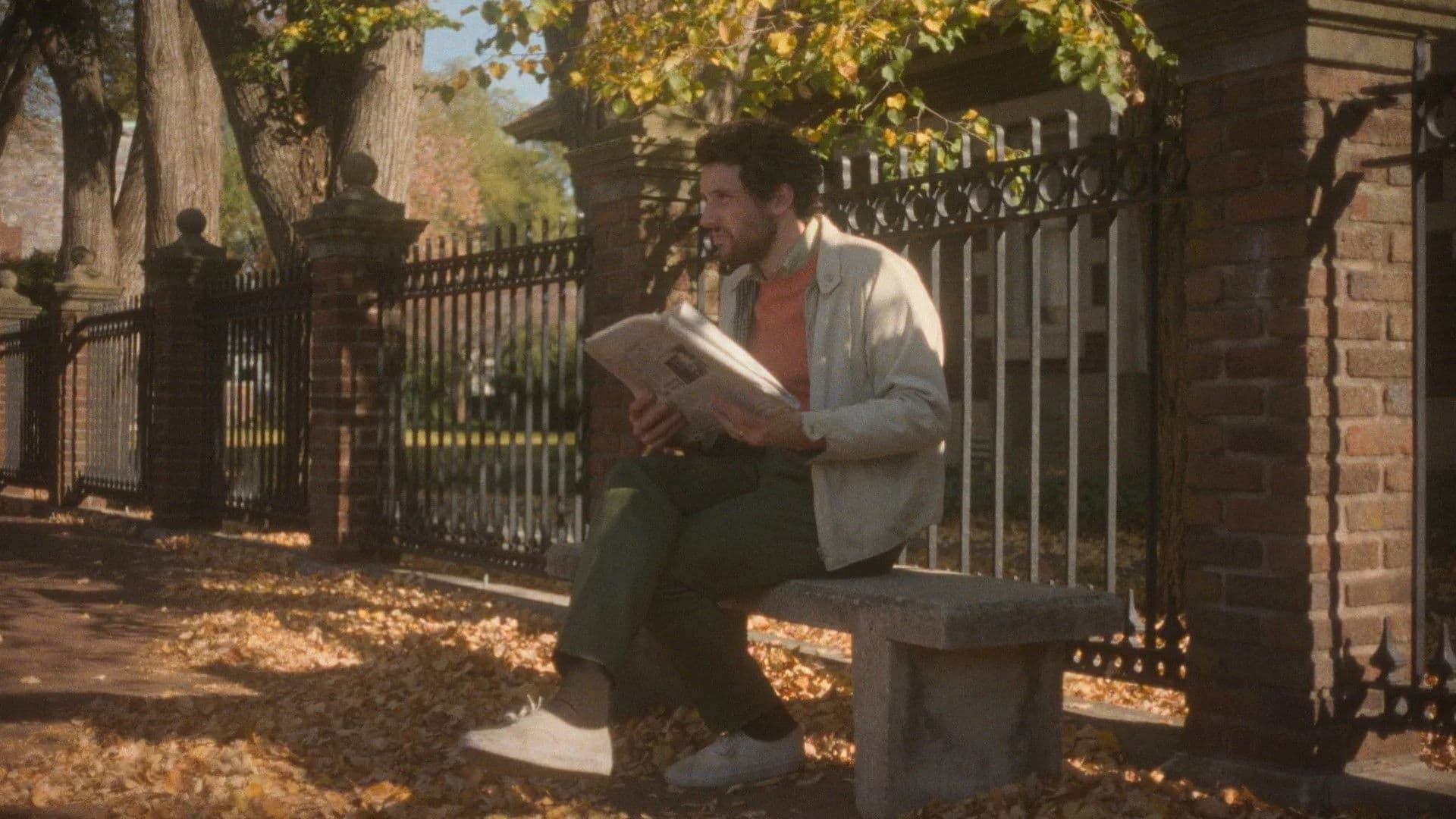
She moved the date to 1970, swapped the Old Masters for Arthur Dove paintings, and built The Mastermind — a film she calls "an unraveling film" rather than a heist movie. Shot on 16mm by Christopher Blauvelt, scored with bruised cornet by Rob Mazurek, and starring Josh O'Connor as a carpenter who's smart enough to get himself into trouble but not nearly smart enough to get out. The heist happens in the first act. The rest is consequence.
What's fascinating is how carefully Reichardt built this film from movies she loves — and how thoroughly she took every one of them apart.
The best heist film you've never heard of
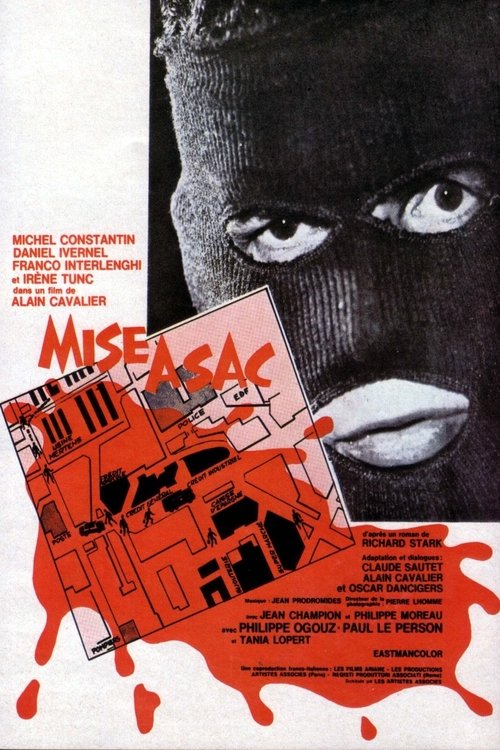
When asked about heist movies, Reichardt didn't name Heat or Ocean's Eleven. She named Alain Cavalier's Pillaged, a 1967 French film based on a Donald Westlake novel about professional thieves who descend on a small mining town on payday. "That's maybe the best heist film," she said — and the choice tells you everything about her priorities. Pillaged isn't interested in the mechanics of the job. It's interested in what crime does to the community it passes through. That's The Mastermind's exact structure: get the robbery out of the way in the first act, then spend eighty minutes watching J.B.'s wife, his parents, and his accomplices absorb the damage.
The Melville problem (and the pigs who solved it)
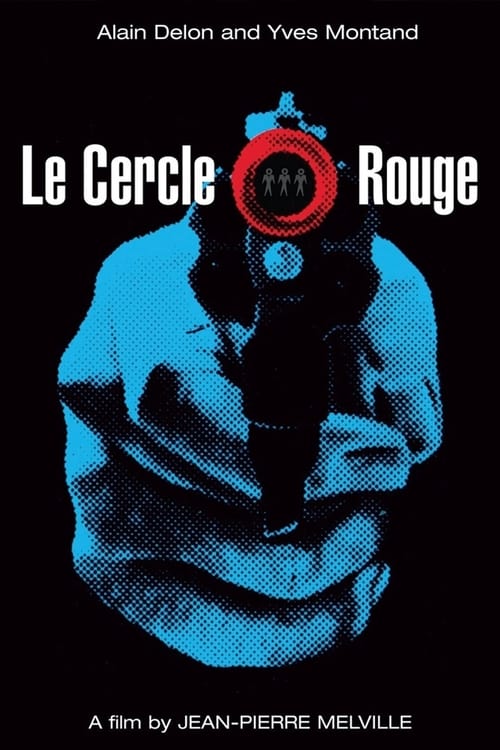
Reichardt adores Jean-Pierre Melville. She's particularly drawn to Un Flic and Le Cercle Rouge — she loves their multi-character structures and the way they fetishize process. She was looking for "a mix of the Hollywood New Wave and some French heist movies," as she put it. But here's the thing: Melville's criminals are coolly competent professionals. J.B. Mooney is a fumbling amateur in corduroy. Reichardt borrows all of Melville's patience and formalism, then fills it with a guy who has no idea what he's doing. That gap is where the whole movie lives.
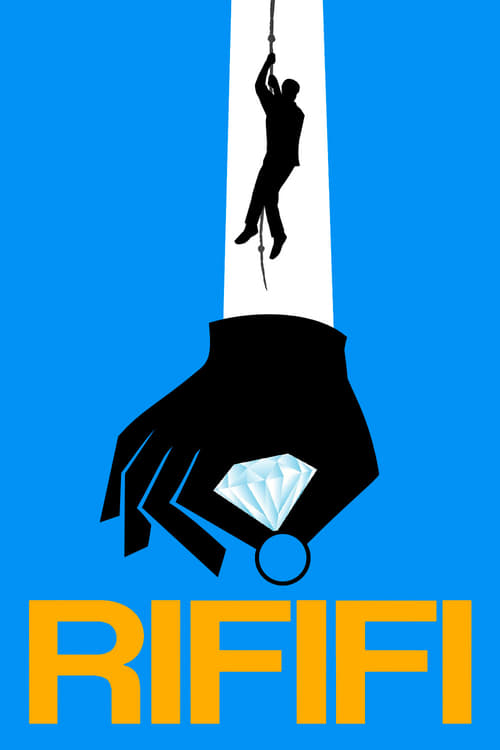
And then there's Rififi. Every cinephile director making a heist film feels obligated to include a long, wordless procedural sequence in tribute to Dassin's legendary 33-minute silent break-in. Reichardt delivers hers — but not during the heist itself, which is comically bumbling and over fast. Instead, the Rififi moment arrives when J.B. tries to haul four framed paintings up a rickety barn ladder while pigs grunt below. The camera holds a flat medium shot for a full five minutes as he goes up, comes back down, goes up again. It's procedural patience applied to total incompetence. Melville's cool, relocated to a barn.
The blank page and the forbidden tears
`
Josh O'Connor reportedly had a ritual before takes: he'd tell himself, "You know, this is really a good idea. I really think this is a good idea." That was J.B.'s inner life — unshakable self-delusion, no introspection whatsoever. And when O'Connor started to cry during a phone scene with Alana Haim, Reichardt stopped the take immediately — he doesn't get emotional.
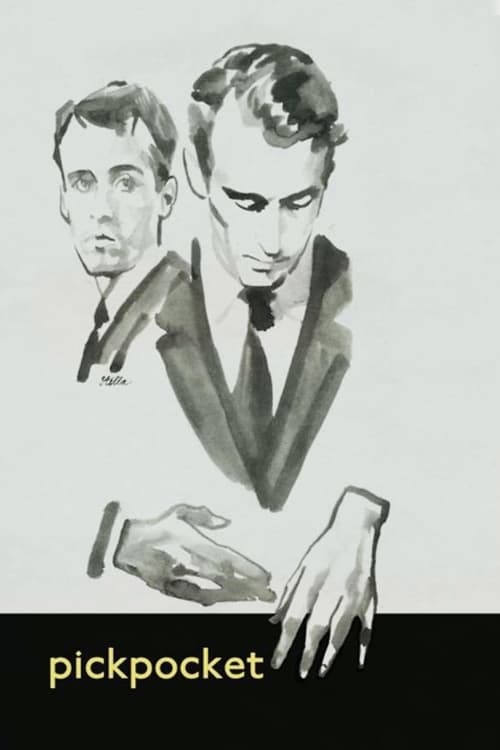
That discipline comes straight from Robert Bresson. Reichardt wanted J.B. to be a blank — someone the audience reads into rather than understands. "You think of Bresson's characters and you're like, 'Who are they, really?'" she said. "Whatever you project onto them." The connection to Pickpocket is specific: both films follow a petty criminal through careful physical process, but where Michel's sleight-of-hand is mesmerizing, J.B.'s fumbling is painful. And the film's final scene openly echoes Pickpocket's ending — if you know, you know.
The Warren Oates frequency
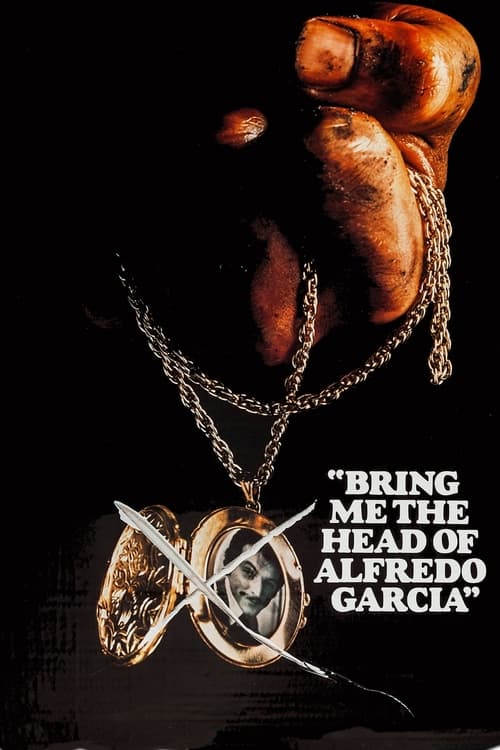
Reichardt saw it while watching Josh O'Connor in La Chimera — that white linen suit, that seedy charm. "I remember asking Josh if he knew Warren Oates," she said. "I was a Warren Oates freak for a while." J.B. is built from the DNA of New Hollywood's great losers: Oates's desperate swagger in Bring Me the Head of Alfredo Garcia, Elliott Gould's shaggy anti-charisma, Bruce Dern's ability to be genuinely menacing and genuinely pathetic in the same breath. As Reichardt defined it: "the Bruce Dern, Warren Oates, Elliott Gould kind of guys — a person that's smart enough to get himself in trouble, but not necessarily smart enough to get out of trouble again."
But Reichardt doesn't just inhabit this tradition — she critiques it. "Being able to be the outlaw is a privilege," she said. J.B.'s rebel-without-a-clue routine only works because the women in his life carry the weight. That whole New Hollywood archetype — men who "set off to explore America" while somebody stays home with the children — she loves those films and she's clear-eyed about what they leave out.
The film closest in her mind
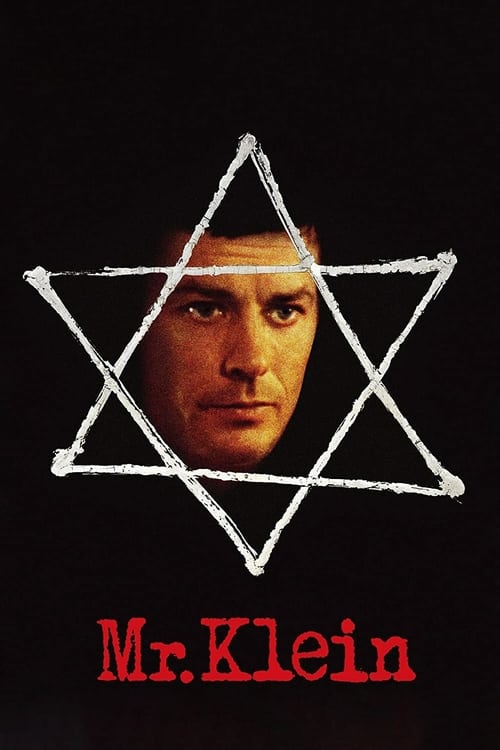
Reichardt saw the restoration of Joseph Losey's Mr. Klein while she was writing the screenplay. She went back to see it multiple times. "It is probably the film closest in my mind," she said, "because I was working on the screenplay for The Mastermind at that time."
Mr. Klein follows an art dealer in Occupied Paris who exploits Jewish persecution to buy paintings at discount prices — until the very system he thought he was gaming swallows him whole. The connection to J.B. is hard to miss: a man who thinks he can profit from a turbulent era, only to find out he was never as separate from it as he believed. Both films are really about the same question — what does it say about you, the way you treat beautiful things? Reichardt added, with her usual deflection, that Losey belongs "on the list of great filmmakers I don't want to be compared to."
Building 1970 from parking lots and faded gold
Reichardt and Blauvelt weren't rewatching 1970s movies to recreate the era. They were looking at photographs — Stephen Shore's motel rooms and parking lots, William Eggleston's gas stations and faded interiors — and at Robby Müller's cinematography, particularly the golds and dark browns of The American Friend. "That doesn't sound like colors, really," Reichardt admitted.
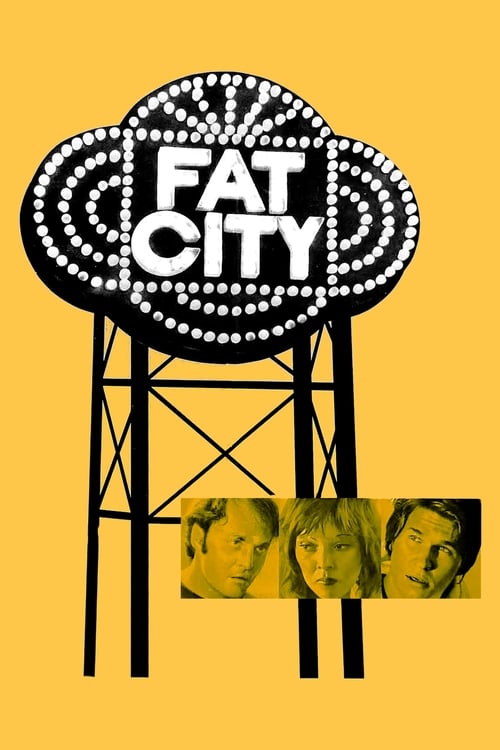
The film they share as foundational DNA is John Huston's Fat City — a boxing picture about guys going nowhere that they saw together on the big screen years ago. It taught them something about tone: how to show working-class American life without feeling sorry for it or prettying it up. Production designer Anthony Gasparro built the rest from Shore's photographs, personal scrapbooks, and the discovery that muted autumnal tones were more period-accurate than the clashing oranges people associate with the seventies. The result, on 16mm, has the faded warmth of a photograph found in someone's attic.
Period as feeling, not décor
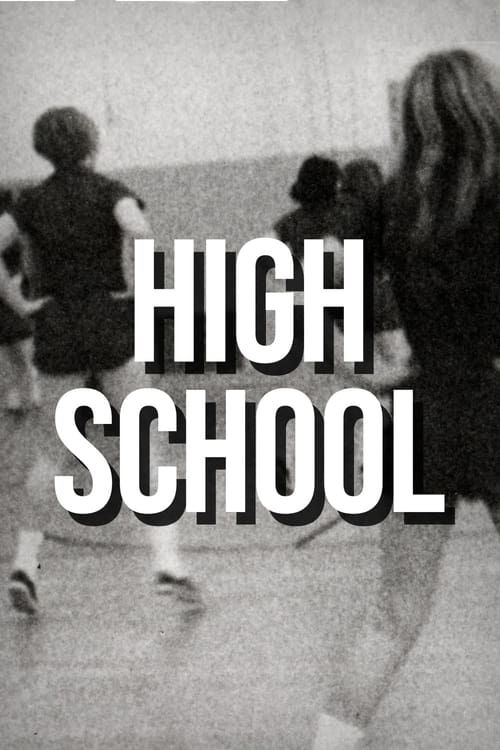
The deepest layer of preparation never shows up on screen — it shows up in how the actors carry themselves. Reichardt gave Josh O'Connor and Alana Haim copies of Joan Didion's essays on the 1960s — all that writing about what happens when idealism goes sour and everyone's just tired and paranoid. She was thinking about Frederick Wiseman's High School, where 1968 classrooms still have the stuffiness of the fifties — she wanted 1970 to feel like a time when the previous decade hadn't quite left the room. And she studied how Georges Simenon structures his crime novels, putting the crime up front instead of saving it for the end. "He often presents crimes at the beginning rather than in the second act," she noted — which is exactly what she does.
None of this is visible the way a costume or a color palette is. It's underneath everything. The 1970s Reichardt builds isn't nostalgic. It's anxious.
Reichardt loves the greats and quietly takes them apart. Melville's competence becomes incompetence. Bresson's mystery becomes hollow self-delusion. The New Hollywood rebel becomes a man leaning on privilege. She honors every one of these filmmakers — and she doesn't let a single one off the hook.
If you watch one film before The Mastermind, make it Mr. Klein. It's the key Reichardt herself handed us.