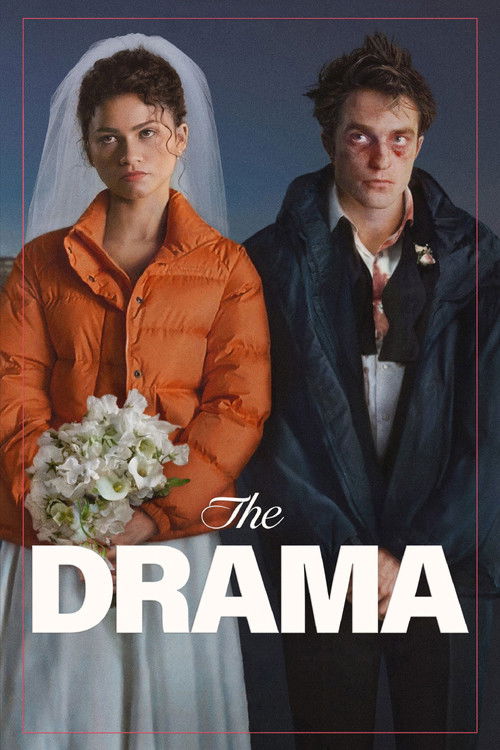
The Drama: A Bergman Poster on Charlie's Wall
Kristoffer Borgli
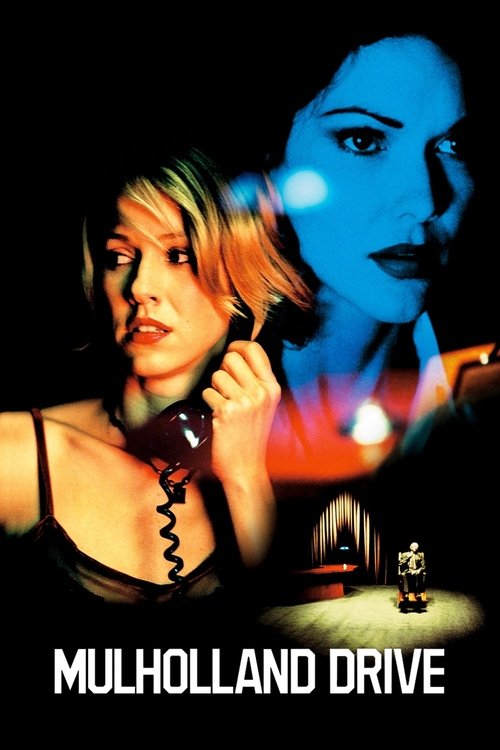
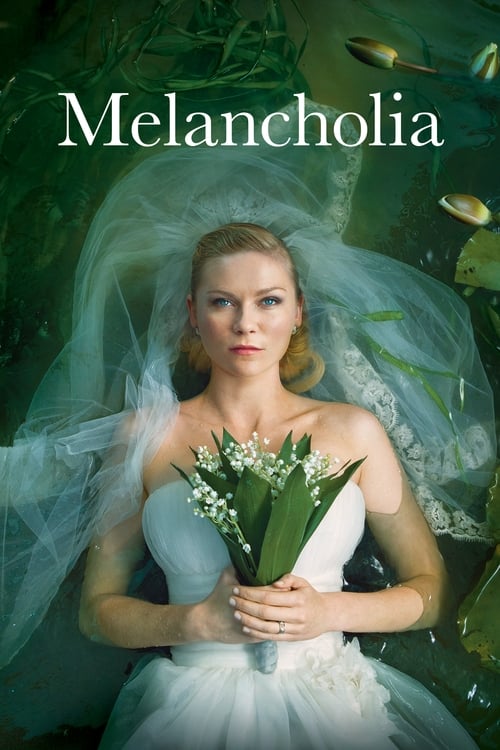
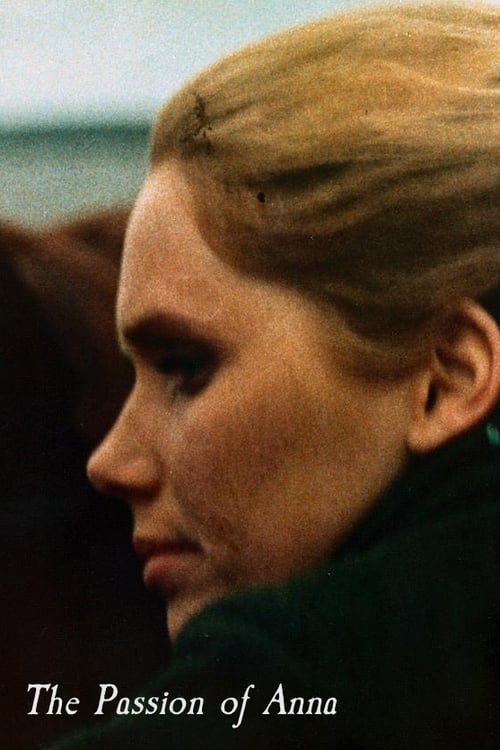
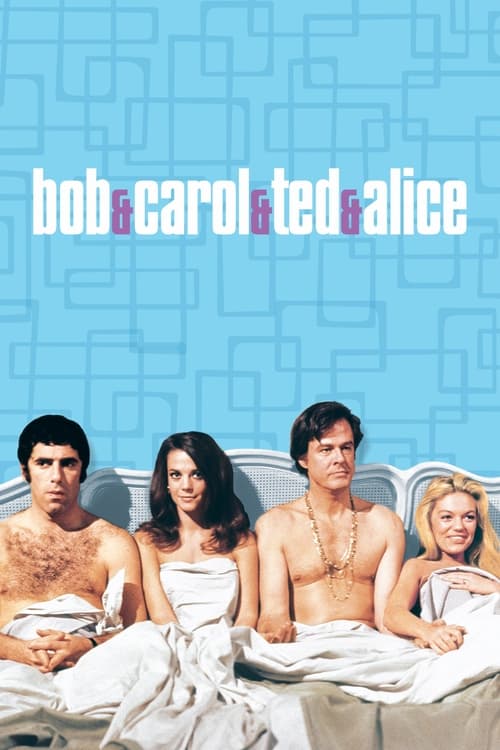
Before cameras rolled on The Drama, Kristoffer Borgli handed his cast and crew a viewing list — four films that together form an impossible triangle of tone: a 1969 California sex comedy, a Bergman character study about concealed truths, Lars von Trier's apocalyptic wedding film, and Mazursky's satire about radical honesty destroying friendships. For The Passion of Anna, he asked Zendaya and Robert Pattinson to watch it on their own free time.
That film shows up inside The Drama as a poster on Charlie's living room wall. It tells you Charlie is the kind of cultured British expat who hangs Bergman in his apartment. And it tells cinephiles exactly what kind of love story they're watching.
Borgli's creative DNA is unusually well-documented. His 2022 Sight & Sound ballot maps the exact coordinates between American cringe comedy and European existential dread — ten films, every one of them about the gap between who someone thinks they are and who they actually are. Here's where The Drama came from.
The Fucked-Up Wedding Movie
Melancholia was the loudest tonal signal Borgli sent before production began — screened for the entire cast and crew, no exceptions.
The connection goes deeper than "wedding goes wrong." Von Trier spends nearly an hour at Justine's reception, letting beauty accumulate on screen while dread builds underneath — you know what a wedding should feel like, and watching it not feel that way is almost physically painful. Borgli wanted the same architecture: warmth and euphoria first, then a genre shift you feel in your body. As he put it, he wanted to show "the excitement of the beginning of a relationship — everything seems almost perfect, until the moment it isn't."
He also called weddings "a money trap inside a sacred ritual — the proclamation of great love recuperated by capitalism." That line comes from a Norwegian whose father was a social anthropologist — someone who grew up watching rituals the way other kids watch television.
The One He Gave Them as Homework
The Passion of Anna was assigned specifically to Pattinson and Zendaya — suggesting Borgli wanted it to shape their performances, not the production's visual grammar.
Bergman's 1969 film follows a recluse who enters a relationship with a widow whose account of her past turns out to conceal devastating truths. The thematic parallel to The Drama is almost mathematical: a relationship undone when one partner's hidden self surfaces. But the deeper pull is Bergman's formal device — documentary interludes where actors step out of character to discuss their roles, breaking the membrane between performance and reality. That's the space Borgli has been working in since Sick of Myself: the gap between who we perform ourselves to be and who we actually are.
The poster on Charlie's wall is doing a lot of work.
The California Encounter Group
The real surprise on Borgli's viewing list is Bob & Carol & Ted & Alice — Paul Mazursky's 1969 satire about two couples who try radical honesty and discover that total openness doesn't liberate them, it detonates the social contract holding their friendships together.
Borgli described it as a film "in which four close friends debate each other's moral compasses." Both movies use a social ritual as a crucible: the encounter group, the wedding week. Both ask what happens when educated, progressive people are confronted with truths they'd rather not hear.
Screening Mazursky alongside Bergman and von Trier reveals Borgli's tonal ambition in miniature. The Drama lives in the overlap where American social comedy and Scandinavian psychological drama meet — and the discomfort comes from never knowing which register you're in.
The Gap Between Who You Think You Are
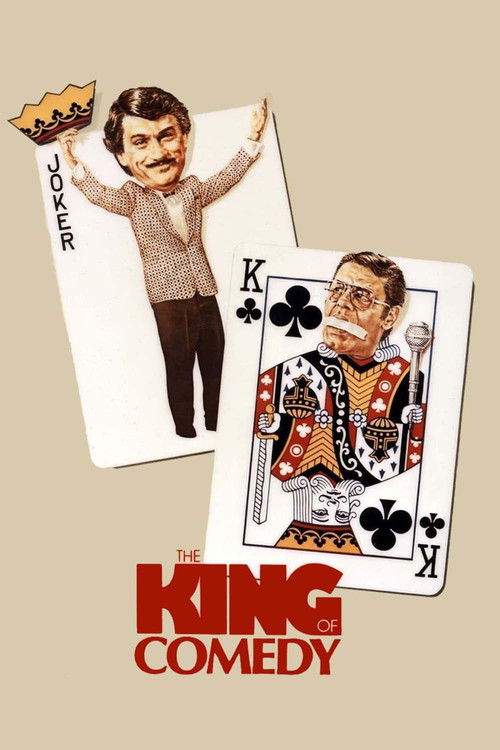
When Borgli submitted his Sight & Sound ballot, he put The King of Comedy at the very top. Above Bergman. Above Kubrick. Above every Scandinavian filmmaker who came before him.
It makes sense once you see the throughline. Scorsese's film sustains a state of almost unbearable social discomfort while remaining blackly funny — a tonal register that maps directly onto what early audiences described experiencing during The Drama. One viewer called it "walking a gossamer-thin tonal line, letting you sit in discomfiture for the duration."
Rupert Pupkin's catastrophe is the gap between self-perception and reality. That gap is the engine of Borgli's entire filmography — Signe's manufactured illness, Paul Matthews's unwanted fame, and now whatever's being hidden between Emma and Charlie. He keeps making films about people who can't see themselves clearly, and he keeps finding it both devastating and hilarious.
Larry David Lynch
Norwegian critics coined the perfect term for Borgli's sensibility: "Larry David Lynch." It's the most precise two-word description of what The Drama feels like.
The Lynch half is foundational. Borgli discovered him as a teenager and was "mesmerised by how utterly original and unique his voice was." The influence isn't aesthetic — it's the refusal to let the audience settle into a single register. Pattinson described Borgli's scripts the same way: "You know something is coming — but not what angle."
The Larry David half comes from Borgli's stated method of forcing two genres to coexist. With Sick of Myself, he took body horror and made it live inside a Woody Allen movie. With Dream Scenario, he took A Nightmare on Elm Street and forced it into contemporary social satire. For The Drama, the collision appears to be relationship comedy forced into psychological-thriller territory — and the friction between the two genres is the point.
The Marriage That Kubrick Broke
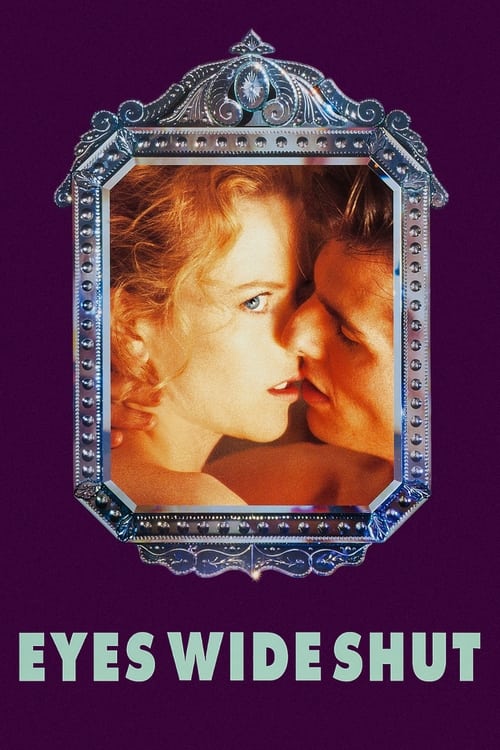
Eyes Wide Shut is the template for a very specific kind of relationship disaster: a single confession that sends one partner into a spiral of jealousy and paranoia, transforming an apparently stable marriage into something unrecognizable. Borgli ranked it among the highest films on his ballot, above both Mulholland Dr. and Melancholia — which tells you how seriously he takes Kubrick's approach to marital crisis.
The Drama's structure — a couple's relationship shaken by unsettling truths surfacing just before a wedding — follows this blueprint almost exactly. Both films live in the space between social respectability and psychological chaos, where composure is a mask and intimacy might be impossible.
The 35mm, carefully composed visual strategy of The Drama — described by its production designer as "muted tones and things that felt very classic and timeless" — echoes Kubrick's controlled aesthetic. Everything looks beautiful. Nothing is safe.
Every Movie He Thinks Is Romantic Is Actually Sad
This one comes from Pattinson, not Borgli — but it illuminates something essential about the film.
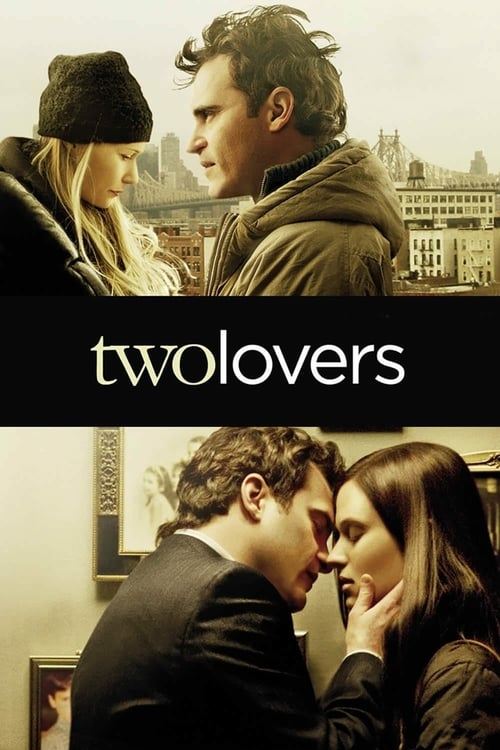
When asked about his favorite romantic movies, Pattinson realized they're all about breakups. "Have you ever seen Two Lovers? Such a great movie, but it's really sad." Then The Big Blue — "they don't end up together." Then Zendaya completed the thought: even Titanic. "So much of life is loss — losing people you love and grieving and getting through that."
These weren't Borgli's assigned references. They're the emotional vocabulary Pattinson brought to Charlie — a man for whom love and loss are inseparable. The fact that both actors understood The Drama as belonging to this tradition of romantic films that are really about romantic failure tells you something the marketing won't.
The Three-Hour French Film on His Ballot
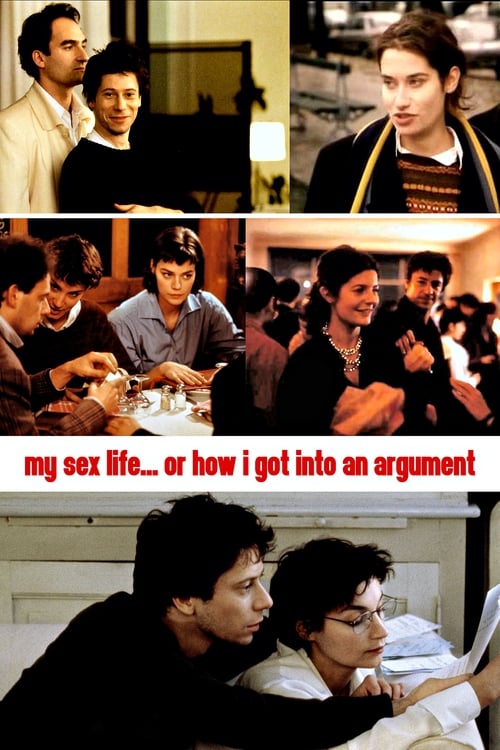
The deepest cut on Borgli's Sight & Sound list is Arnaud Desplechin's My Sex Life… or How I Got Into an Argument — a nearly three-hour film about neurotic Parisian intellectuals paralyzed by their own self-awareness, unable to commit or act decisively in love.
It's the closest structural analogue to The Drama in Borgli's official canon. Choosing it over better-known relationship dramas signals something specific: he's drawn to stories where conversation and analysis are the drama, not just its decoration. Where smart people talk beautifully about their feelings and still destroy everything.
A Social Anthropologist's Son
Borgli is a filmmaker obsessed with one question: what happens when the person you think you know turns out to be someone else? Every film on his radar — from Scorsese's portrait of delusion to Kubrick's portrait of a marriage in freefall to Bergman's portrait of concealed truth — circles the same catastrophic distance between self-image and reality.
What makes him singular is the tone he brings to it. He grew up the son of a social anthropologist, watching human behavior with the clinical distance that implies — and then he moved to LA and discovered American cringe comedy. The Drama is where those two sensibilities finally converge in the same film: the observational precision of someone raised to study rituals, and the comic instinct of someone who finds those rituals simultaneously sacred and absurd.
If you watch one film before seeing The Drama, make it The Passion of Anna. It's the one Borgli gave his actors as homework, the one whose poster he hung on Charlie's wall, and the one that tells you what kind of love story this really is.