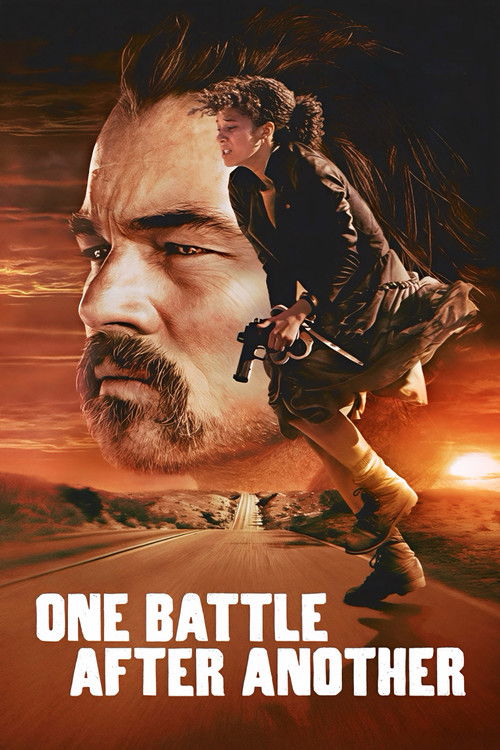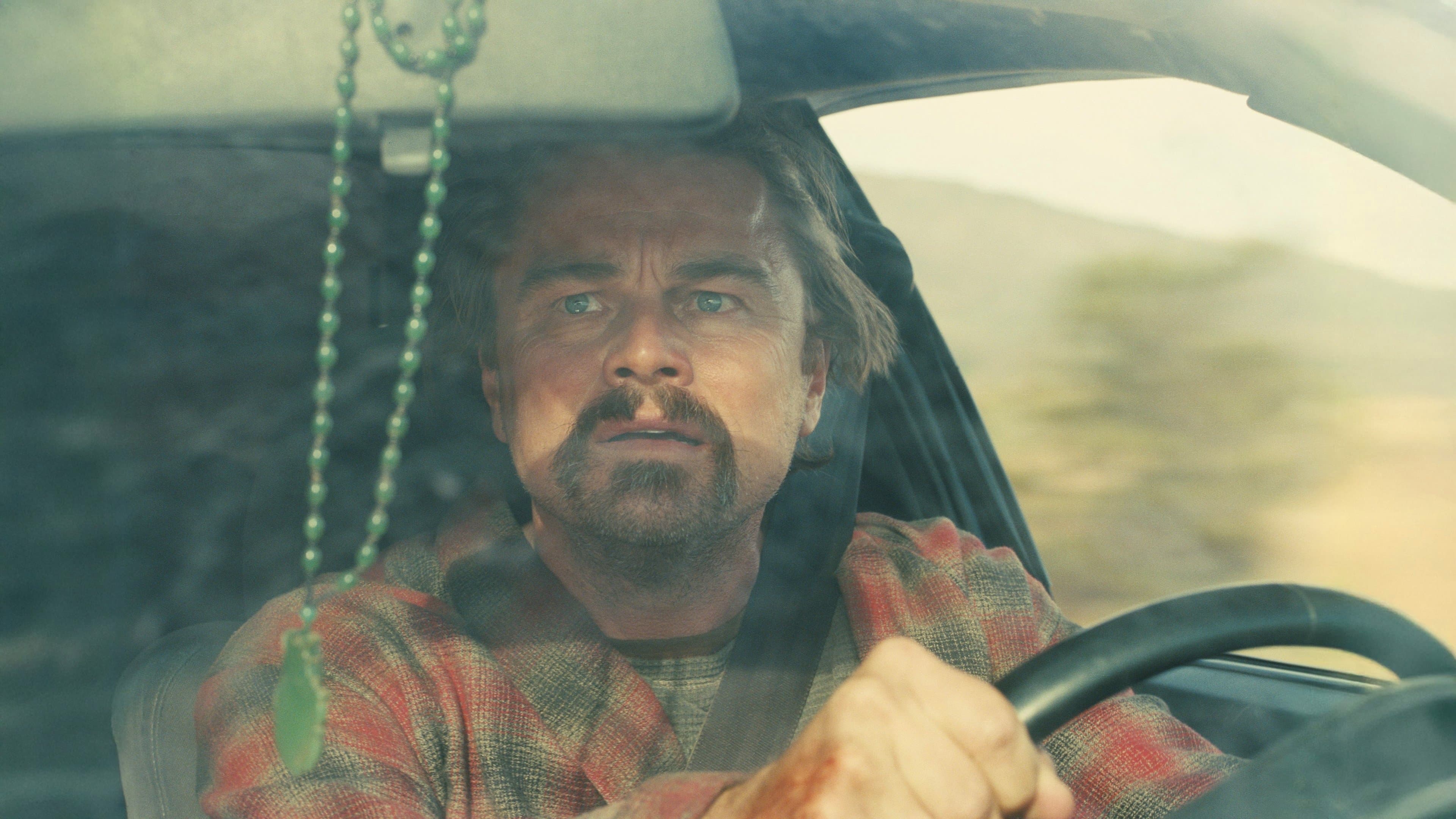
PTA's influences for One Battle After Another
Paul Thomas Anderson
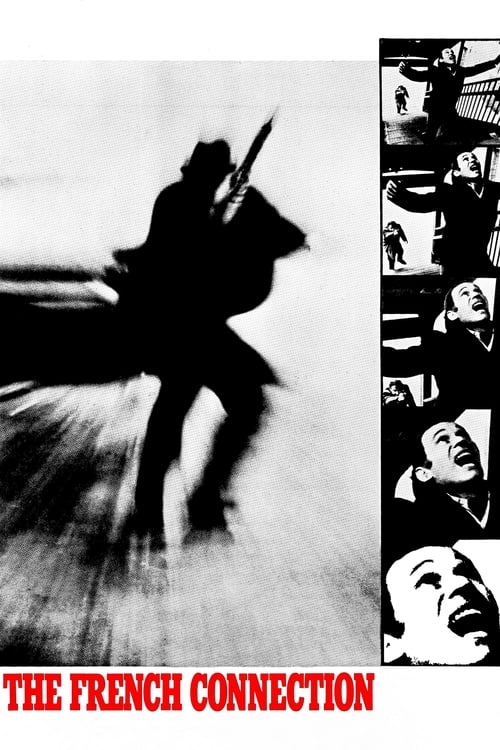
Somewhere on the set of One Battle After Another, between the wrecked cars and the California dust, there was a can of 35mm film. Not a hard drive. Not a Vimeo link. An actual physical print of William Friedkin's The French Connection that Anderson's crew hauled from location to location and screened periodically — not as inspiration porn, but as a calibration tool. When the images needed checking against the north star, they'd run the print.
That detail — a print as talisman, cinema as physical inheritance — tells you almost everything about how Anderson made this film. One Battle After Another is a movie constructed from stolen goods: novels raided for their emotional architecture, old films carried on the body like lucky charms, nonfiction books used to give an actor his psychology, and at least one suggestion from Benicio del Toro that unlocked an entire section of the script. The influences aren't decorative. They're structural. Here's where they hid.
The North Star They Carried on Their Back
Anderson told his cinematographer Michael Bauman early: "Nothing should look perfect. Nothing should look like a movie." The French Connection print wasn't aspirational viewing — it was a negative space, a warning against seduction. Bauman would screen it periodically to make sure their visual palette "was in the same direction."
What transferred isn't any single shot but an entire visual philosophy: available light that doesn't flatter, handheld that doesn't announce itself, a camera that seems to stumble into what it finds. The car chase at the film's center — no CGI, no score, just metal grinding against metal — is Friedkin's operating principle taken at its word. Editor Andy Jurgensen confirms the stunt coordinators built the sequence with that goal in mind: "We didn't have any music, no CGI. It was all about the car, the revs, the scraping of the metal, real cars hitting each other." The result is one of the few action sequences in recent memory that feels genuinely unplanned.
Twenty Years of Productive Theft
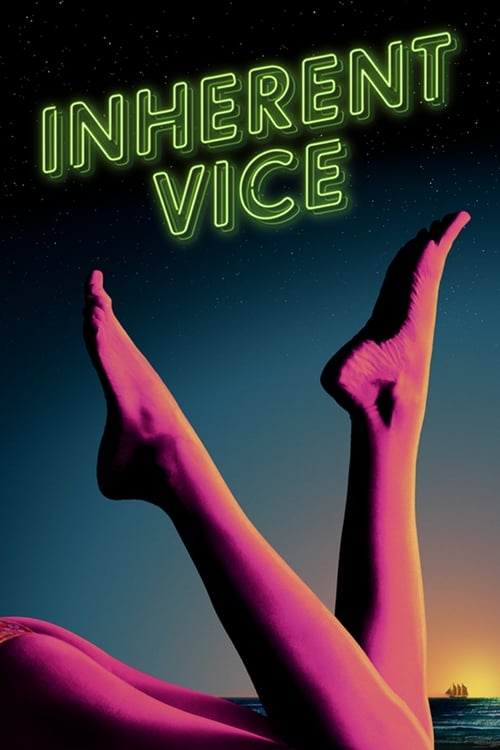
Anderson spent roughly two decades trying to adapt Thomas Pynchon's Vineland — and only finished his film when he gave up adapting it. "I was very respectful with Inherent Vice," he said. "By the time we got to this one, it became clear that it would have to be disrespectful."
So he stole. The 1990 novel's father-daughter emotional core — an ex-radical dad, a daughter who inherited the wreckage — transferred intact. Its Reagan-era Northern California paranoia transferred. What didn't transfer was Pynchon's baroque plotting, his satirical asides, his structural acrobatics. Anderson kept the feeling and discarded the architecture. Prairie became Willa. Zoyd became Bob. The Humboldt County damp became the San Fernando Valley heat. The film carries an "inspired by" credit rather than "based on," which is the most accurate description of the operation: a writer breaking into a house he loves and running out with the best furniture.
The reason Anderson kept trying for so long was specific: even before he had children, the father-daughter dynamic in Vineland moved him. After becoming a father himself, the book became impossible to put down — and impossible to leave alone.
The 1935 Film That Gave Him Permission to Jump
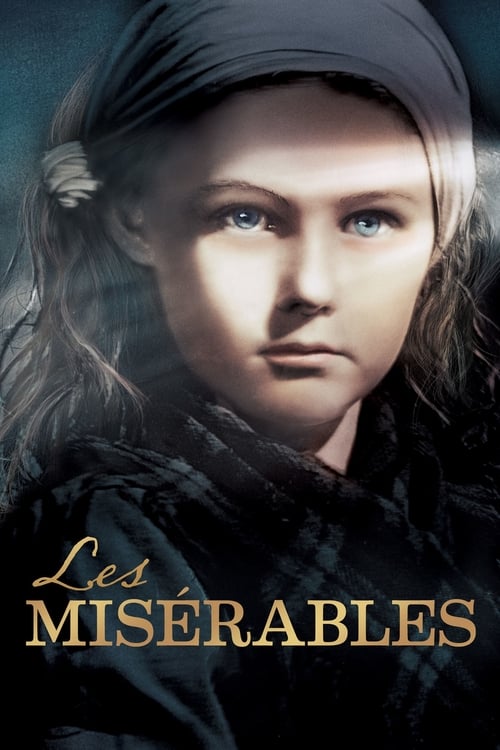
Once Anderson knew the Pynchon material was his to steal from, he still had a structural problem: the film needed to leap sixteen years between acts. That's a lot to ask of an audience. The model he found wasn't a 1970s paranoia thriller or a New Hollywood classic. It was a 1935 adaptation of Victor Hugo.
"I always liked the structure of Les Misérables," Anderson said. "You have a wild and crazy first act, and then you settle into the story, and you must pick up the pieces of the wreckage or you must reckon with the choices you made in the first act." The Boleslawski film gave him the structural courage: front-load the chaos, then let the second act live entirely in its aftermath. "I remember seeing it and feeling like: that's what we should do."
The effect in One Battle After Another is that the first act belongs to the parents — their violence, their conviction, their choices. The second act belongs to Willa. She inherits the film the same way she inherited the consequences. Anderson found the permission for that shift in a ninety-year-old Hollywood adaptation most of his audience has never seen.
The Nonfiction Blueprint
Both Anderson and DiCaprio cite Bryan Burrough's Days of Rage — a reported history of American radical movements from the Weather Underground to the SLA — as foundational research, independently reaching the same source. DiCaprio describes reading about exhausted radicals who once believed in violent revolution and now felt "guilt over killing people that were really just like them." That's Bob, in one sentence.
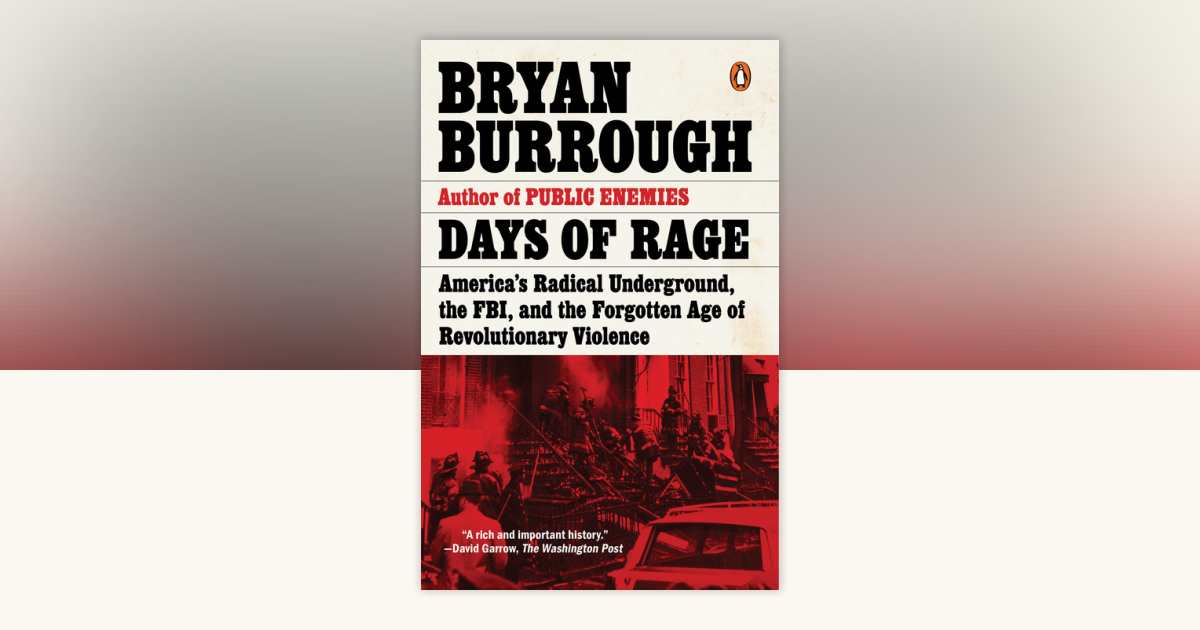
What moved Anderson most was the book's structural choice: it ends with interviews of the children of revolutionaries, the generation who inherited their parents' ideological wreckage. That intergenerational question — what do the kids owe the cause? — became the film's engine. The title itself comes from a Weather Underground handbill quoted in Burrough's text. The French 75 group in the film draws directly from real tactics described in the book.
A nonfiction source informing a fictional film isn't unusual. What's unusual is that both the director and his lead actor built from the same pages.
The Film Inside the Film
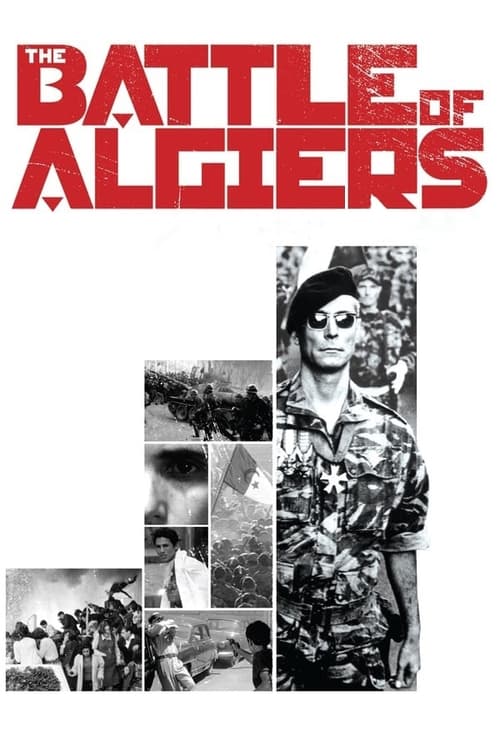
The Battle of Algiers is the only influence in this entire film that appears twice: once outside it, as a creative reference, and once inside it, as a prop. Bob watches Pontecorvo's 1966 docudrama in his home. On repeat. "For the fiftieth time," as DiCaprio put it. He puts it on like other people put on comfort food — a nostalgic talisman of a cause he abandoned.
Anderson drew on the film's non-professional casting approach (James Raterman follows Pontecorvo's principle) and its refusal to simplify political violence into clean moral categories. Critics have also traced the influence in the film's underground sequences. But by placing Battle of Algiers inside Bob's apartment, Anderson added something stranger: a comment on how revolutionary cinema seduces us, how we use old images to avoid reckoning with the present. The audience watching Anderson's film watches a character watching Pontecorvo's film. The layers fold in on each other. It's the most quietly intellectual move in the whole picture.
The Swagger He Needed for Act One
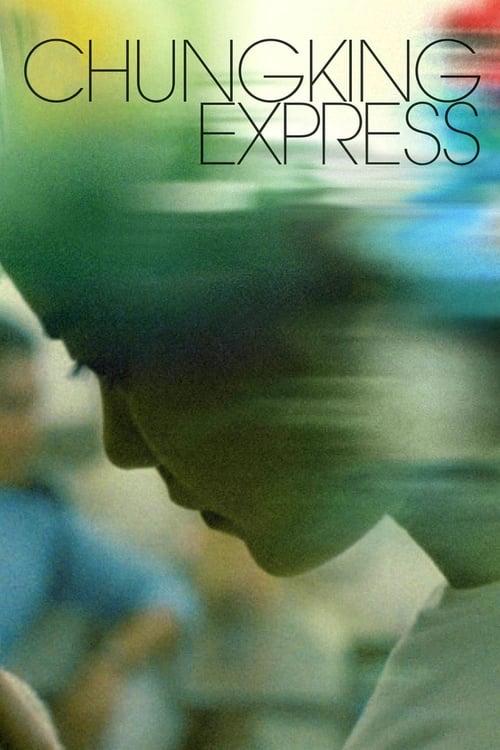
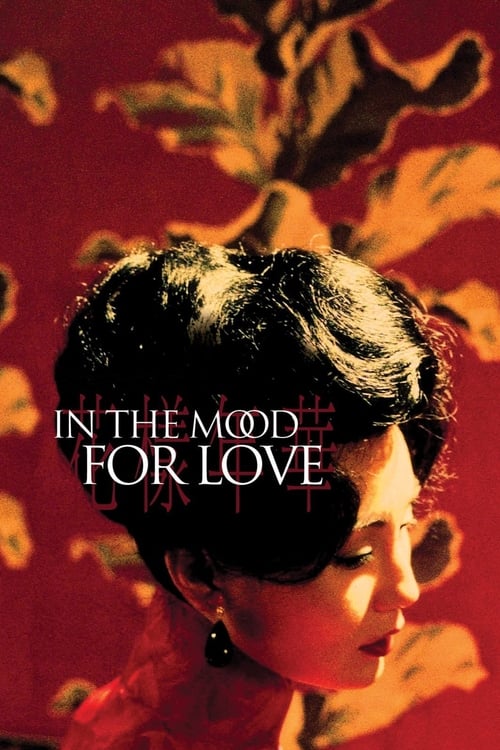
Two months before shooting began, Anderson watched In the Mood for Love and Chungking Express. Not for structure. Not for plot. For energy. "It's the fucking looseness that he has," he said. "The absolute swagger that isn't overly cocky but just so cool. I wanted to remember his energy, particularly for the first act."
Bauman confirmed that Wong Kar-wai's color and lighting logic served as a concurrent reference — the neon-soaked, handheld-but-composed visual atmosphere that defines the film's opening stretch, before the plot locks into chase mode. There's a version of this film's first half that could exist in Hong Kong. The camera moves through spaces the way Wong's camera moves: curious, unhurried, never in a hurry to explain.
Anderson also cited Wong as "a great 1.85 shooter" — a technical note that reveals how seriously he thought about aspect ratio as meaning, not just aesthetics.
Ethan Edwards, Inverted
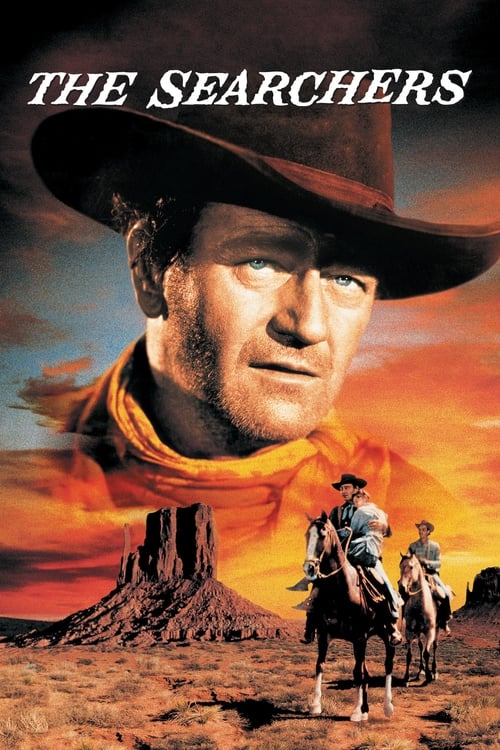
Anderson justified his VistaVision format choice by pointing to Ford and Hitchcock: "If it's good enough for John Ford and The Searchers, good enough for Alfred Hitchcock and North by Northwest and Vertigo, then it should be good enough for us." That's the technical connection. The narrative connection runs deeper and stranger.
Both films follow an obsessive man crossing vast landscapes to find a family member. But where John Wayne's Ethan Edwards is cold, brutal, and driven by hatred, DiCaprio's Bob is warm and driven by love — a slacker in a bathrobe where there used to be a man with a rifle. The Film Stage's pop culture glossary called Bob "the other side of the coin," and that's exactly right. Anderson took Ford's architecture and replaced its violence with tenderness. His entire project in this film might be described as finding the humanist inverse of American genre cinema's violent traditions.
The Scene That Breaks His Heart
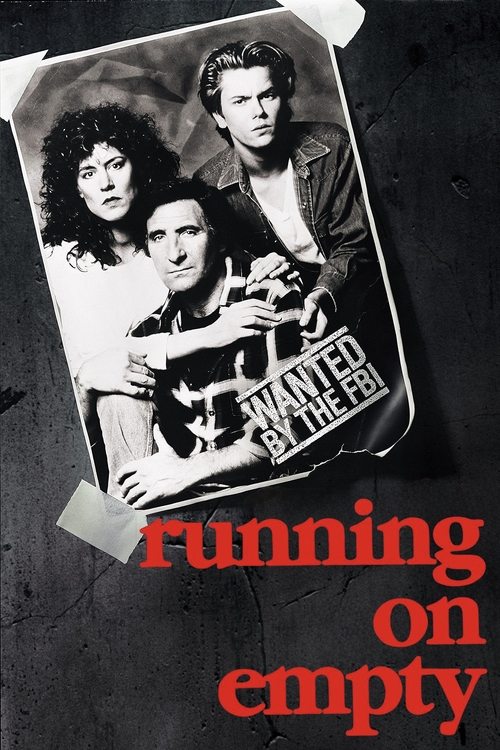
Sidney Lumet's Running on Empty is the closest narrative analog to Anderson's film — fugitive radicals, children who inherited the consequences — and the emotional model for its central dilemma. But Anderson doesn't talk about the film in structural terms. He talks about one scene.
Christine Lahti has to go see her father. She has to ask him to take her son. "Oh, it kills me," Anderson said. "Brings tears to my eyes just thinking about that scene." That's where One Battle After Another lives: in the cost that revolutionary commitment extracts from the people who didn't choose it. The question of exhaustion — how do you commit to a cause and not burn out? — runs through both films like a wire.
The River Phoenix connection adds another layer. Both Anderson and DiCaprio grew up idolizing Phoenix, who starred in the Lumet film. "A guiding light," Anderson called him. The film is quietly, never explicitly, in conversation with what it means to be Phoenix's generation: idealistic, combustible, maybe doomed.
The Hair That Broke Him Open
The most personal section of One Battle After Another didn't come from Pynchon or Pontecorvo. It came from Anderson's experience raising mixed-race daughters with Maya Rudolph — specifically, from his inability to do their hair.
"As a father of mixed-race girls, it's nearly impossible for me to do their hair as a white man," Anderson said. Bob's fumbling attempts at Willa's hair become a running motif: paternal love meeting practical inadequacy, tenderness without competence. The character Grandma Minnie is named for Minnie Riperton, Rudolph's late mother, who died when Rudolph was very young. Chase Infiniti, who plays Willa, confirmed that Anderson shared these personal stories directly with her as emotional preparation.
You can build a film from books and old movies. But the moments that make audiences cry tend to come from somewhere more specific than a library. This one came from a man who loves his daughters and can't figure out their hair.
The Pattern
Anderson made a film about people who loved something so much they became criminals for it, then had to figure out how to love anything after. That's also a description of his creative process: he spent twenty years in love with a Pynchon novel, tried to adapt it faithfully, gave up, and made something better by stealing.
The full map reveals a director who collects emotional architectures from every medium — novels, nonfiction, old movies, his own family — and runs them through a single question: what does it cost to believe in something? The political radicalism is the surface. The father-daughter story is the point.
If you watch one film before seeing One Battle After Another, make it Running on Empty. Not because the plots are similar, but because Lumet found the same emotional frequency first — the price paid by the children — and Anderson answers it directly. Watch the scene where Christine Lahti goes to see her father. Then you'll understand exactly what Anderson is after.