Olivia Wilde Threw a Film Festival Before She Threw a Dinner Party
Olivia Wilde
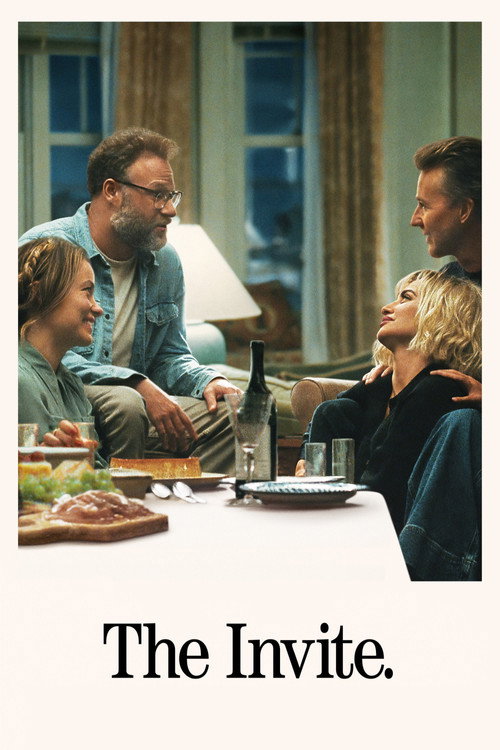
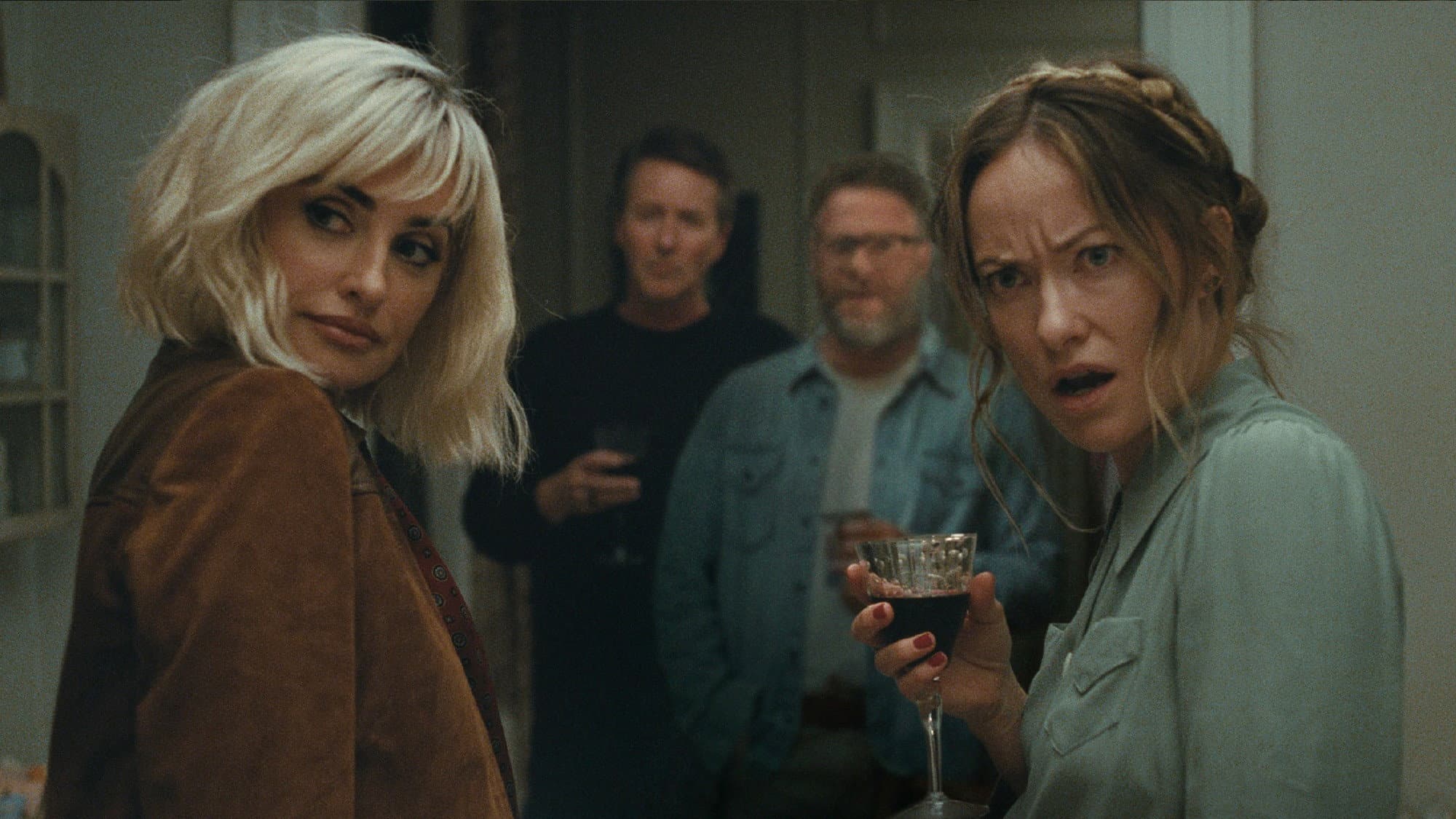
Before a single frame of The Invite was shot, Olivia Wilde gathered her team for a private film festival. One rule: every movie had to trap its characters in a single space. They watched couples tear each other apart in living rooms, jurors sweat through one afternoon, marriages dissolve across a kitchen table. Then they built a vintage San Francisco apartment on a stage, loaded 35mm film Wilde partly paid for herself, and shot the whole thing in order, in 23 days.
And when the film ends, a title card appears: "For Diane."
That festival syllabus is essentially a map of everything Wilde loves, and it explains why a remake of a Spanish chamber comedy about two couples, one dinner and a very awkward proposition became the most personal film she's made. Here's what was on the screen in that room, and what she took from each one.
The Rope Trick
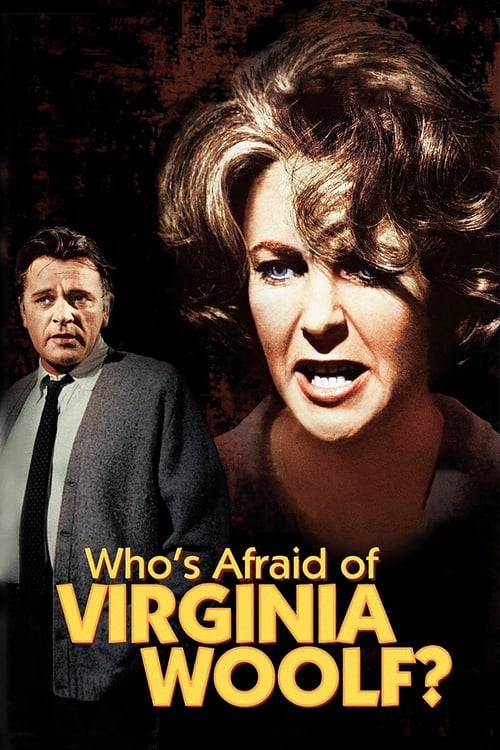
Mike Nichols is, as Wilde puts it, "my number one," and Who's Afraid of Virginia Woolf? was the North Star for The Invite. What obsessed her wasn't the venom or the performances. It was a piece of hardware. She loves the story of cinematographer Haskell Wexler tying a rope between the actor and the camera operator and swinging them around together, so that the camera itself gets drunker and angrier along with the characters.
That idea, the camera as the fifth guest at the party, drives The Invite's whole visual grammar. Wide shots when the couples are performing civility, punishing close-ups when the masks come off, a frame that grows less stable as the wine bottles empty. Even the absent child is a Nichols inheritance: Angela and Joe's daughter is away at a sleepover, just as George and Martha's son exists only offscreen, because the reckoning can only happen when the kid isn't watching. Rewatch the Wexler film for the small-hours light alone, some of the cruelest and most beautiful black-and-white ever shot in a living room.
The Chapter She Kept Rereading
The technical bible for the shoot wasn't a film at all but a book: Sidney Lumet's Making Movies, specifically the section on 12 Angry Men. Lumet explains how he made one jury room feel like a tightening vise, progressively longer lenses, a slowly sinking camera, so that by the verdict you feel the ceiling pressing down. Wilde says the book showed her how cinematography alone could make you feel the crushing claustrophobia of that room.
She and cinematographer Adam Newport-Berra ran the same play in reverse: the apartment starts as a warm, welcoming space and shrinks scene by scene. Newport-Berra's mantra was that they were going to use people's faces like landscapes, giant close-ups against very wide masters, so one apartment could feel like a dozen locations. Production designer Jade Healy built the set as a small labyrinth of doorways and corners for exactly that reason. If you think you know 12 Angry Men, watch it once tracking only the lens choices. It's a masterclass hiding inside a courtroom drama.
The Prequel to a Bergman Film
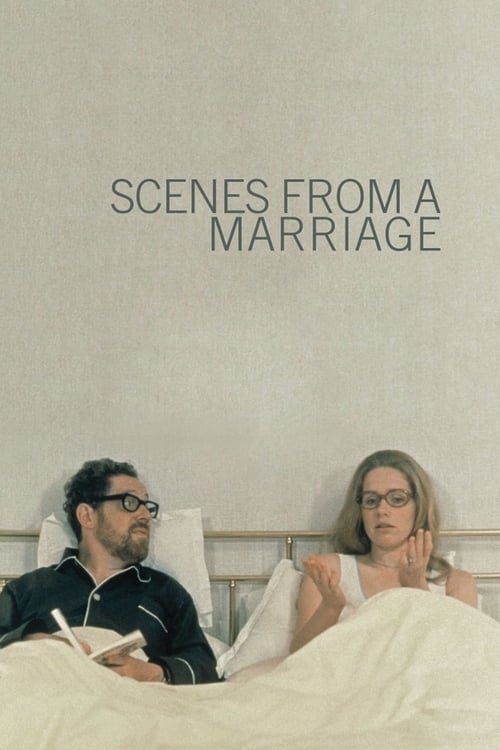
Wilde names Scenes from a Marriage as a huge influence, and The Invite borrows its most uncomfortable habit: refusing to cut away. When Joe and Angela finally say the unsayable to each other, the film sits there, in close-up, letting you feel every twitch. One critic nailed the relationship perfectly, describing Angela and Joe as Bergman's protagonists in a prequel to the great break-up masterpiece.
When a journalist joked that her film might spike divorce rates the way Bergman's was rumored to have done in Sweden, Wilde shot back that she thinks more people will stay together because of this movie. That optimism, buried inside all the brutality, might be the most personal thing in it. Bergman's original unfolds across six television episodes and feels like eavesdropping; start with the "Paula" chapter and you'll understand exactly what register Wilde was chasing.
Vivaldi as a Weapon
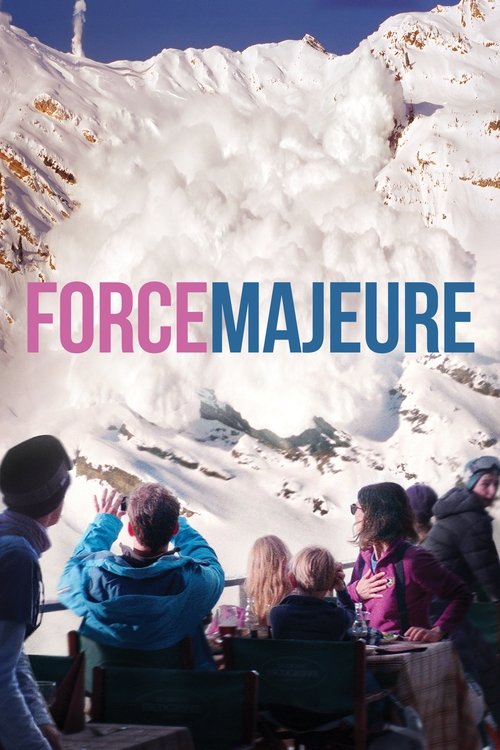
Wilde loves Ruben Östlund, and Force Majeure gave her two things. First, the tonal thesis: a seemingly low-stakes domestic situation carrying enormous emotional stakes. A dinner party, an avalanche lunch — same species of catastrophe. Second, a way of using music. She points to how Östlund deploys Vivaldi in that film, blasting it like an accusation every time the family's self-image cracks, and says you really feel that.
Devonté Hynes' string score for The Invite works on the identical principle. Wilde describes it as the Greek chorus in the room, jabbing and screeching like something out of a horror film while four adults sip wine. The music doesn't comfort the characters; it judges them. Watch Force Majeure for the accordion-Vivaldi cue alone, one of the great needle-drops of the century, and you'll hear where the Hynes score learned its manners.
Penélope Cruz Is Playing a Real Person
Here's the discovery buried in plain sight: the most important influence on The Invite isn't a filmmaker. Twenty years ago, therapist Esther Perel wrote Mating in Captivity, about sustaining desire inside long-term relationships, and one idea from it lodged in Wilde's brain for good: that you can have multiple relationships within one relationship. When the project came together, Wilde asked Perel to consult, and then went further. As she puts it, Penélope is playing Esther in many ways.
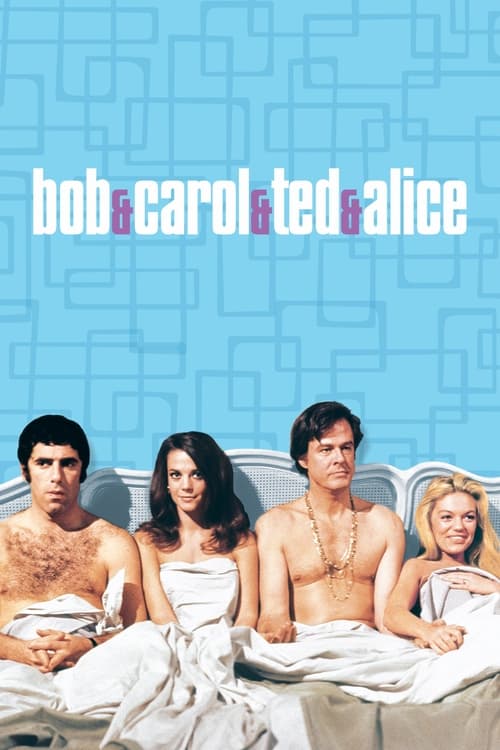
So Cruz's Piña, the purring sexologist who diagnoses Joe and Angela's marriage over dinner, is a real philosophy wearing a silk dress. Perel herself said she watched her book come alive through the characters. The cinematic ancestor of this whole setup is Paul Mazursky's Bob & Carol & Ted & Alice, which Wilde hopes the film recalls: two couples, a flirtation with swapping, and comedy as the only honest way to talk about marriage. Mazursky got there in 1969. Wilde just gave the idea a therapist's license.
For Diane
Diane Keaton died in October 2025, while The Invite was being finished. She and Wilde had made exactly one film together, and Keaton played her mother. But her real role in Wilde's life was as an instruction. She told me to direct, Wilde remembers. She told me to be brave.
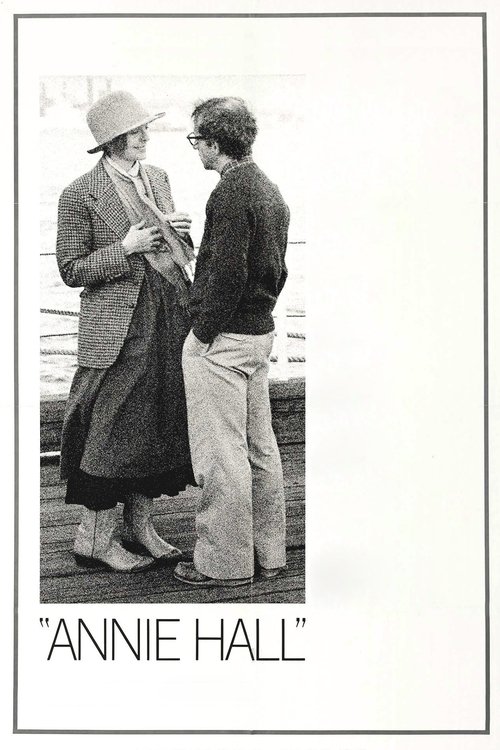
The debt goes deeper than encouragement. Wilde says there is no Invite without Keaton, because she's in so many of the films that inspired it, and you can see it in Angela herself. Wilde plays her anxiety the way Keaton performed it in Annie Hall: terror rendered with warmth, panic that makes you lean in rather than wince. Several reviewers clocked the performance as pure Keaton on their own. If you've somehow never seen Annie Hall, go for the lobster scene, the exact blend of chaos and tenderness Angela is built from.
The Chaos Was Rehearsed
The looseness you feel watching The Invite, actors talking over each other, collapsing onto floors, one genuinely shocking Seth Rogen improvisation that left Edward Norton speechless on camera, was engineered with fanatical care. Wilde describes the approach as aiming for a Cassavetes-type experience of real collaboration, telling her actors the camera will find you. Two weeks of workshopping, then a chronological shoot so the relationships could decay in real time.
The sound followed the same philosophy. Wilde told her mixer she wanted everyone to speak like they were in a Robert Altman film, nobody ever holding a line for someone else, everything live-mixed as it happened. Critics heard the Altman crosstalk immediately. For the source of all this beautiful mess, go to Cassavetes' A Woman Under the Influence, where a marriage cracks open in a house that feels too small for it, and every scene seems caught rather than staged.
The Bus at the End
The Invite closes on Angela resting her head on Joe's shoulder while he plays piano for the first time in years. Are they staying together? Wilde won't say, because she designed the question. Everyone, she admits, is always aiming for the ending of The Graduate, and she wanted that ambiguity without being annoyingly vague.
She got it. At one screening the audience split exactly 50/50 on whether the marriage survives. Better still, Wilde and Rogen disagreed about it on set and never resolved the argument; she calls herself the cynic, him the romantic. The film's last shot literally encodes its makers' quarrel, just as Ben and Elaine's grins fade into doubt on that bus. Watch Nichols' ending again and count the seconds he holds after the smiles die. That's the exact silence Wilde is reaching for.
Where to Start
Put the map together and a pattern emerges: Wilde builds cages in order to set people loose. The rigid frame, one room, one night, a Lumet lens plan, a built set, exists so the human behavior inside it can be genuinely wild. Every influence here solves one half of that equation. Lumet and Nichols supply the cage; Cassavetes, Altman and Keaton supply the escape.
If you only watch one film before The Invite, make it Who's Afraid of Virginia Woolf?. Not because it's the obvious pick, but because it's the rare movie that does both jobs at once, iron discipline in the filmmaking, total abandon in the room. Somewhere in that contradiction, swinging on Haskell Wexler's rope, is the whole idea Olivia Wilde spent twenty years waiting to try herself.