Mother Mary: The Dress That Possessed Itself
David Lowery
In 2019, David Lowery was shooting The Green Knight in County Wicklow when Ariana Grande arrived at the same hotel for her Dublin tour dates. Nobody on the production could sleep. The hotel had what Lowery later described as “a strange energy.” And lying awake, he started thinking about what it would feel like to absorb that all night — that supernatural unease, that hum of an old building with something left in it and then walk out the next morning in front of a hundred thousand people who needed you to be divine.
That image didn’t leave him. He carried it through The Green Knight, through Peter Pan & Wendy, through a period of real uncertainty about who he was as a filmmaker. “I just thought: I don’t know who David Lowery is anymore,” he’s said. The only thing to do was write through it. He imagined a pop star as a stand-in for his own creative vertigo, someone who had to be everything to everyone while privately coming apart, and Mother Mary was born in that gap.
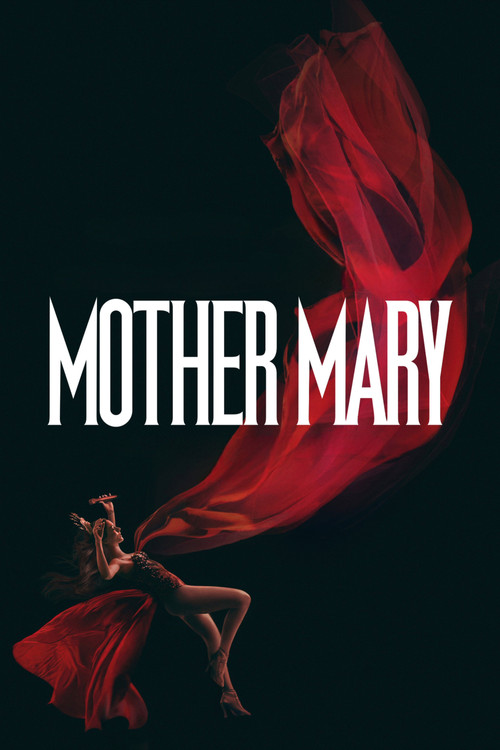
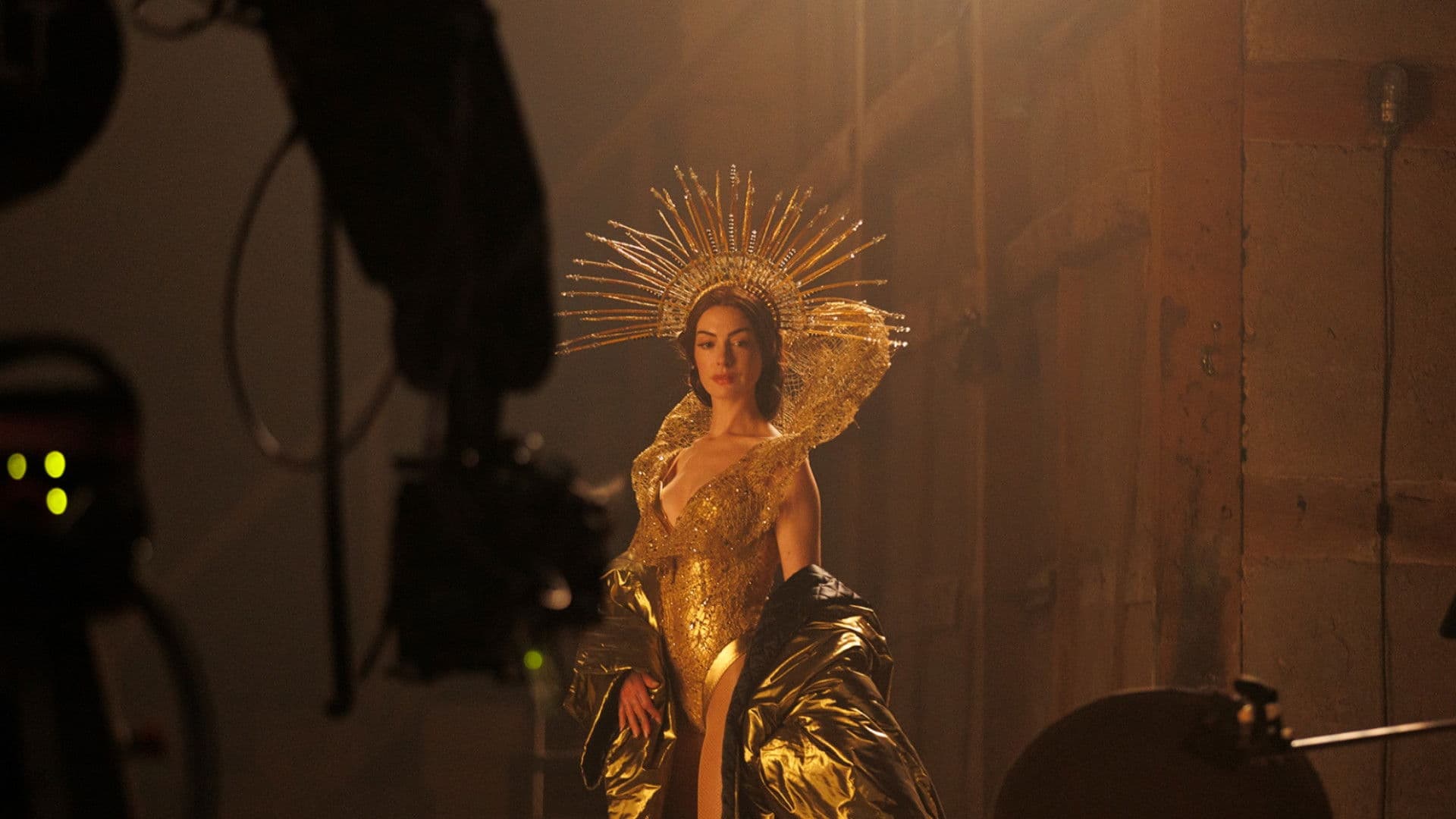
What came out is one of A24’s stranger bets: a two-hander between a Lady Gaga–scale superstar (Anne Hathaway) and the estranged designer who built her image (Michaela Coel), set mostly in a stone barn in Germany, scored partly by Charli XCX, haunted by a sentient length of red fabric. It’s also, underneath all of that, a deeply personal film about the cost of making art. Here’s what Lowery was watching while he built it.
The One He Called the Blueprint
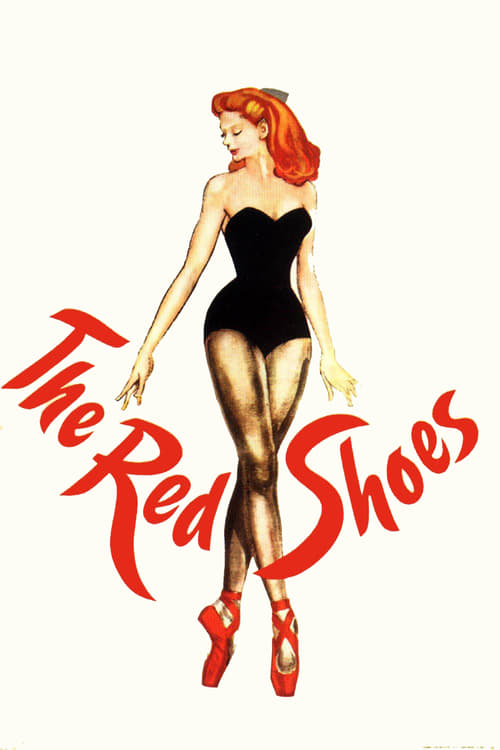
Powell and Pressburger’s The Red Shoes is the clearest structural ancestor, and Lowery has never tried to hide it. A brilliant artist consumed by the thing she creates. The art form as possession rather than expression. The dress that doesn’t let go. He wasn’t adapting it, but he was asking the same question: what does it cost to make something that matters, and what does it cost the people standing next to you?
The connection runs deeper than theme. Mother Mary‘s central haunting — the Red Woman — is born from a decade-old rupture between former collaborators but takes the form of a designer’s own medium: fabric, sentient, red. The curse and the creation are the same material. The thing that destroys and the thing that makes are inseparable. That’s Powell and Pressburger’s essential argument, and Lowery lifts it whole.
Nine Inch Nails in a Stadium
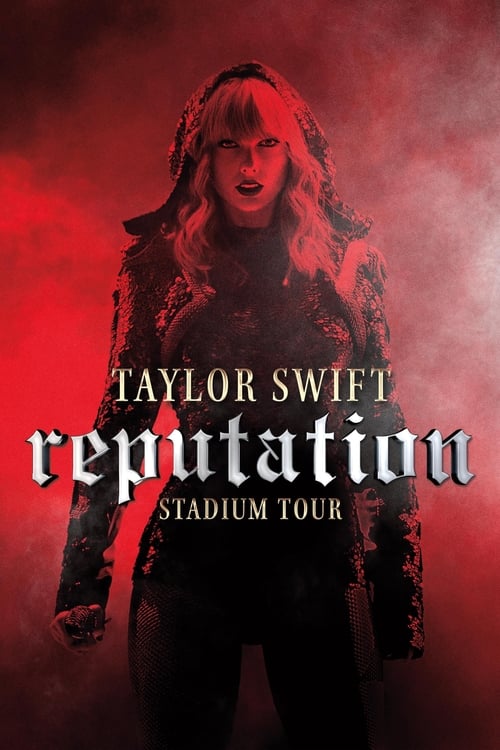
Lowery was clear about his concert film reference: Taylor Swift’s Reputation Stadium Tour. “Her Reputation concert film is one of the best concert films ever made,” he’s said, and Mother Mary’s opening sequences were built from that grammar: the halo lighting, the scale, the way sixty thousand phones turn a crowd into a constellation. But the detail that matters most is something he added. Lowery, who grew up goth and pretentious, came to Swift late, and eventually noticed something most people skip past: “Reputation probably has a lot of Pretty Hate Machine in it.” The Nine Inch Nails thread. Controlled fury dressed up as pop spectacle. Dark content in ecstatic packaging.
That double nature is exactly what Mother Mary‘s stage sequences are doing. Mother Mary the character performs transcendence while something eats her from the inside. The crowd doesn’t know. The crowd can’t know. That gap — between what a pop star projects and what they’re actually carrying — is the film’s whole subject, and Lowery found his visual language for it in Swift’s Reputation.
The Super 8 Lesson
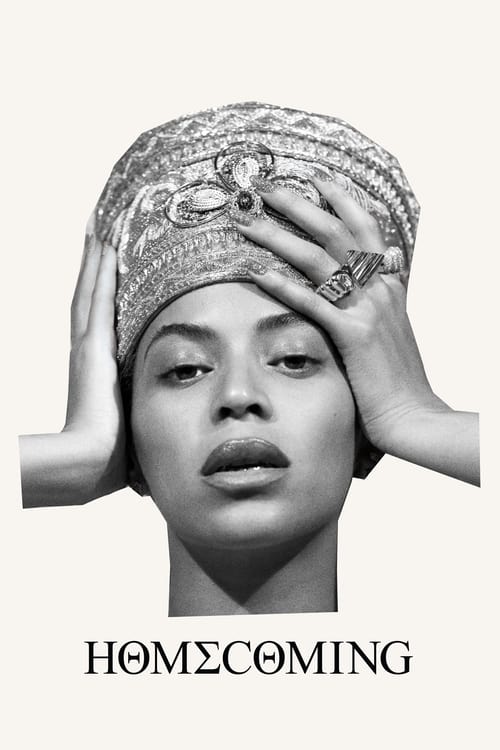
While he was in Ireland, Lowery was also watching Beyoncé’s Homecoming obsessively. He was struck by the Super 8 footage woven through it — the grain shift, the texture, the way the rougher format made something monumental feel personal. When it came time to film Mother Mary’s concert sequences, he called his friend Sean Bannon and asked him to bring Super 8 cameras to the set.
The result is a format shift used as a narrative tool, not a visual flourish. The stage sequences feel like memory, like something being recalled rather than documented. And the audience in those scenes stays deliberately faceless — “a congregation,” as he described them, “that has come to attend her service.” Homecoming showed him how to make seventy thousand people feel intimate.
The Dress That Already Knew
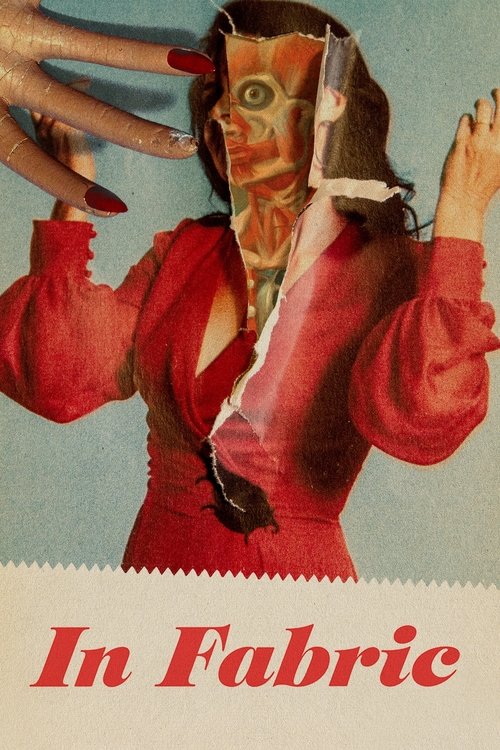
Peter Strickland’s In Fabric — a giallo nightmare about a demonic dress passing between owners — is among Lowery’s direct references, and the surface connection is obvious: Mother Mary has a sentient piece of red fabric as its central haunting. But what he took from Strickland runs deeper than the premise. In In Fabric, the garment’s redness isn’t symbolic in any literary sense — it’s physical, threatening, a presence that demands a response before you’ve processed why. Mother Mary builds its Red Woman along the same lines: color as sensation first, meaning second — blood, love, danger, all of it at once without explanation.
The Red Woman’s actual form came from elsewhere. Lowery spent four days filming a specific crimson fabric moving through wind, working with Brooklyn artist Daniel Zel — whose medium is literally wind and fabric — to find her shape through experiment rather than design. “She’s never one thing,” he said. “She’s always changing form. She’s like liquid.” But the tonal permission — the idea that a length of cloth could carry genuine dread — came from Strickland.
What Madonna Recontextualized
Lowery grew up in a household where Madonna was a real threat. Not a style choice but a genuine affront to things his family took seriously. He’s since come around to the other reading: “What she was actually doing was recontextualizing” the iconography, not destroying it. That argument lives in Mother Mary‘s bones. The character’s halo headpieces, her name, the Marian imagery threaded through her stage persona, all of it comes from that tradition of pop stars as secular saints, sacred and profane in the same gesture.
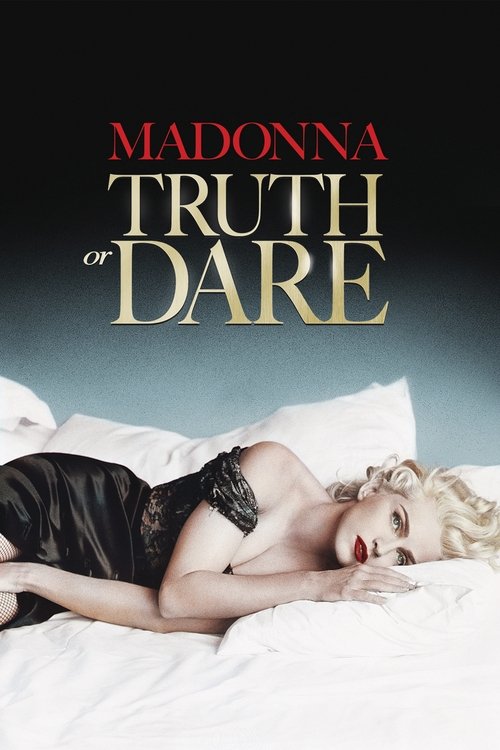
The original structural plan for the film was more explicitly Truth or Dare: a fictional feature intercut with what Lowery called “a behind-the-scenes documentary of Mother Mary’s tour, treating it like that — like Madonna: Truth or Dare.” That structure eventually collapsed under the pressure of what the two-hander wanted to be. But the impulse stayed — the desire to strip back the performance and show the horror underneath.
The Shape of Nothing
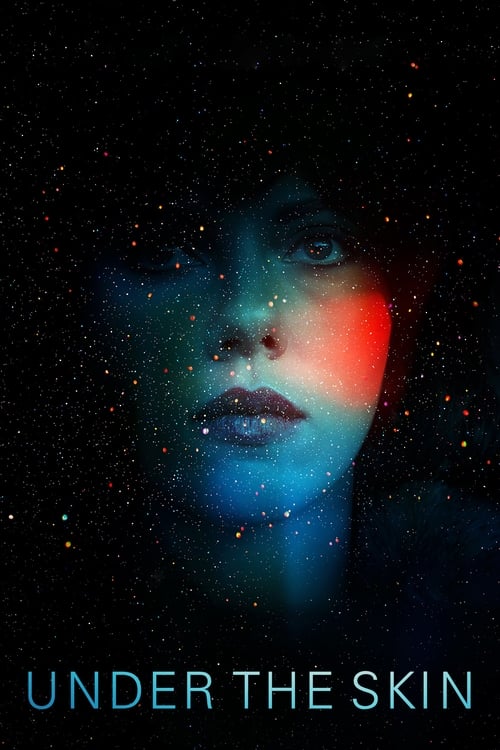
Jonathan Glazer’s Under the Skin sits in the background of the film’s most disorienting sequences. When the Red Woman moves through darkness — neither ghost nor monster nor anything with a name — the visual register shifts into something closer to Glazer’s lightless voids than to anything in conventional horror. The film reaches for what Lowery has called a haunting that doesn’t look like hauntings. What Under the Skin demonstrates is that genuine strangeness doesn’t need a mythology — it needs a physical presence that the camera can’t quite account for. The Red Woman works the same way: not as a character with intentions but as a force with a shape.
What the Map Reveals
Every reference Lowery reached for in building Mother Mary — Powell and Pressburger, a Taylor Swift concert film, wind-blown fabric in a Brooklyn studio — points toward the same obsession: making and being made are the same violent act, and the people who love what you create pay for it alongside you. The artist and the collaborator. The pop star and the designer. The dress and the woman wearing it.
Start with The Red Shoes. Not because it’s the most direct reference — though it is — but because Powell and Pressburger answer the film’s central question in a way that makes the Lowery hit differently on the way out. Watch its final fifteen minutes and you’ll spend the last act of Mother Mary in a room you didn’t know you were in.