The films, paintings, and surprises you didn't know shaped Marty Supreme
Josh Safdie
Josh Safdie built the most densely referential American film in years. Here's exactly where every piece came from — and what to watch next.
Here's a detail that should recalibrate how you watch Marty Supreme: the most important visual reference for the table tennis sequences isn't a movie. It's a 19th-century painter of boxers. Cinematographer Darius Khondji lit every table tennis sequence in the film using the chiaroscuro of George Bellows — warm Tungsten light raking down on the players like they're prize fighters, not ping-pong hustlers. That's the kind of film this is. Every frame has a ghost inside it.
What Josh Safdie made with Marty Supreme is less a period film than a collage — 1950s New York shot through the grammar of 1970s cinema, scored with 1980s synth-pop, and lit like 19th-century oil paintings. The influences aren't decorative. They're structural. And once you know where to look, the film cracks open in ways a single viewing can't reveal.
Let's go hunting.
The Painting Inside Every Rally
Watch the table tennis sequences again. Notice how the light falls almost exclusively from above, pooling on faces and leaving the background in deep shadow. That's not Raging Bull. That's George Bellows.

Khondji drew directly on Bellows' boxing paintings — those brutal, gorgeous canvases where fighters glow under ringside light while the crowd dissolves into murk. He paired Bellows with Honoré Daumier, the French caricaturist, calling the two "the most valuable inspiration for the table tennis — not only the iconic faces but also the warm way they were lit from the bottom." Safdie's ping-pong arena isn't a sports venue. It's a painting with a pulse.
If you want to see where Marty Supreme's visual soul lives, search for Bellows' Stag at Sharkey's. You'll never unsee it.
The 16mm Film That Built the World
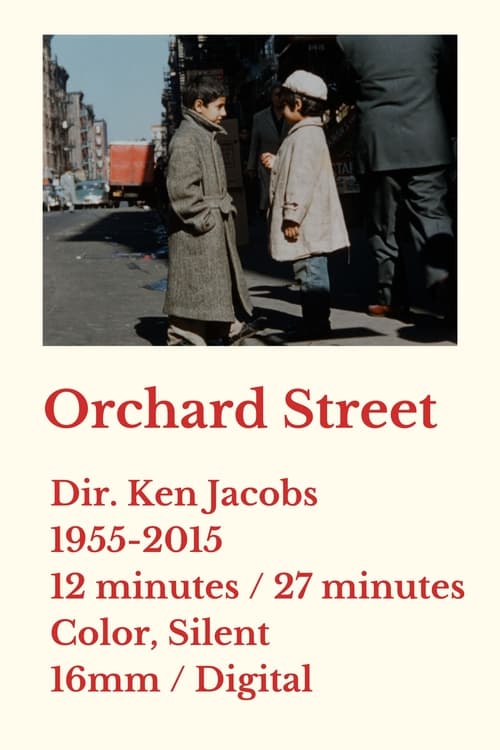
Four different department heads — Safdie, Khondji, production designer Jack Fisk, costume designer Miyako Bellizzi — all cite the same source as foundational: Ken Jacobs' Orchard Street (1955), a 16mm avant-garde documentary shot on Manhattan's Lower East Side.
Safdie found it at MoMA. What hooked him was a moment where Jacobs films himself kissing a girl in the middle of a real street crowd — "the romanticism of the city in that period is so perfectly distilled." Bellizzi used the footage for costume research. Khondji used it as a color reference. Fisk used it alongside period tax photographs to rebuild storefronts. One short film became the film's shared DNA.
Good luck finding Orchard Street easily — but knowing it exists tells you everything about how Safdie researches. He doesn't start with other movies. He starts with the texture of the real.
Raging Bull, but Make It Jewish
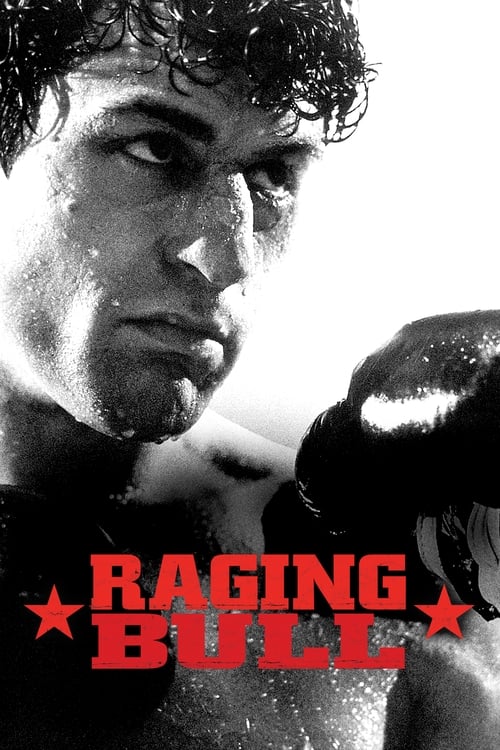
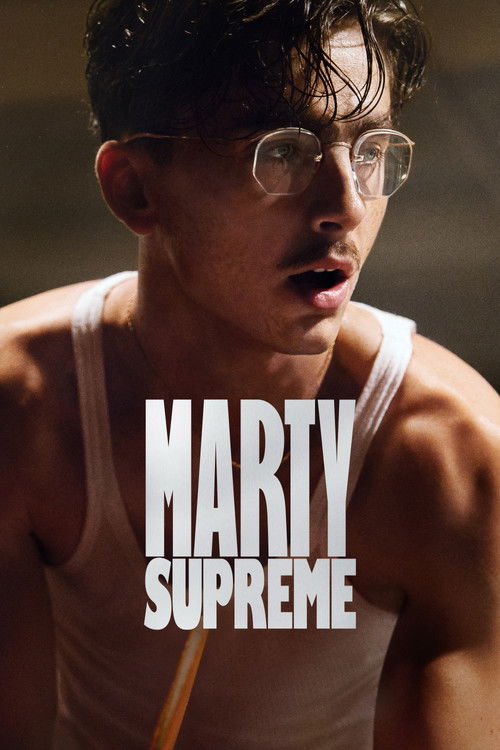
The comparison every critic reached for — and the one that actually holds. Adam Nayman wrote that Chalamet's paddle work is "nearly as transformative — and persuasive — as Robert De Niro's ring work in Raging Bull." The French press went further. Libération declared that Marty Supreme is for Chalamet what Raging Bull was for De Niro: a career-altering transformation.
But the connection isn't just physical. Both films are portraits of men whose competitive genius is perfectly matched by their inability to function outside the arena. Marty Mauser and Jake LaMotta share a pathology — the sport is the only place the world makes sense, and winning only makes the rest of life worse. What Safdie took from Scorsese isn't a style. It's a diagnosis.
The Rare Lens That Changed Everything
Here's a piece of production archaeology. Khondji and Safdie were studying Italian filmmaker Francesco Rosi and his cinematographer Gianni Di Venanzo when they read an interview mentioning a specific long lens. They tracked it down — a 360mm anamorphic CinemaScope lens that had been sitting unused at Panavision for years.
That lens became the film's defining visual tool. Safdie held it in his hands, Khondji recalled, "like it was a jewel — like an uncut gem." The compression it creates — flattening depth, isolating faces from their surroundings — is why Marty Supreme's close-ups feel so suffocating. The characters can't escape the frame any more than they can escape themselves. One forgotten lens from the Italian realist tradition, repurposed for a New York hustle film.
Grunge Barry Lyndon
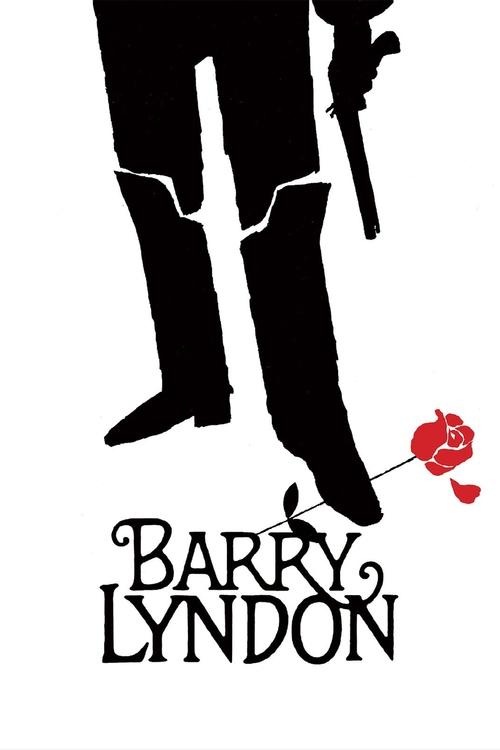
The most surprising structural comparison came from Mark Asch, who called the film "grunge Barry Lyndon — a period picaresque epic about a sociopathic climber, but scrappy instead of stately, obnoxious instead of ironic." It's a perfect frame.
Both films follow amoral men ascending through society by talent and manipulation. Both are period films obsessed with getting the light right. But where Kubrick's camera is glacial and omniscient, Safdie's is panicked and too close. Khondji cited Barry Lyndon explicitly for "the preciseness of the period being very true without compromising the realness." What Safdie took was the ambition — make a period film where every candle, every fabric, every light source is historically correct — then smashed it against a 1970s handheld energy that Kubrick would never have tolerated.
Cassavetes Is the Camera
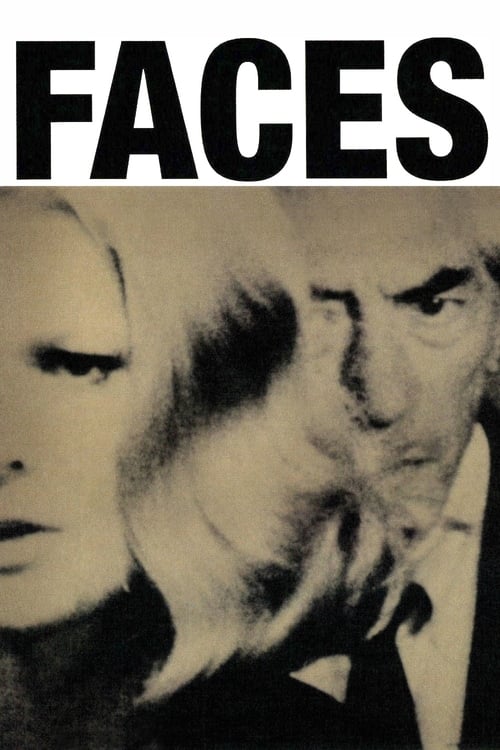
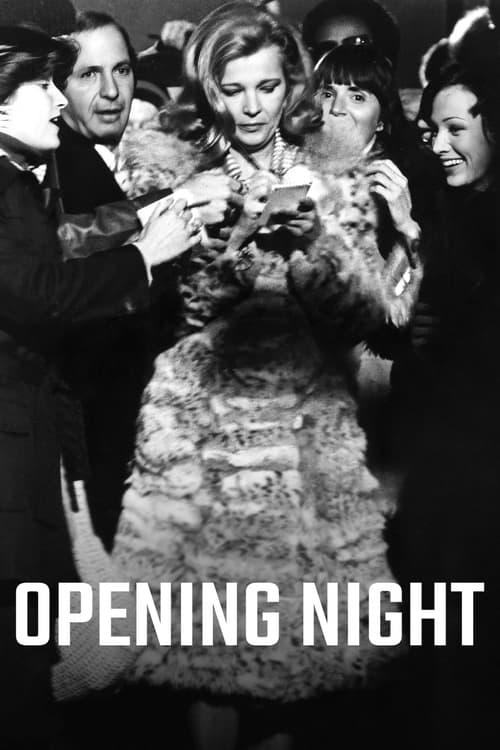
If the Scorsese influence is thematic, the Cassavetes influence is physical. It's how the camera moves. Khondji named Faces, A Woman Under the Influence, and Opening Night as "the films I love the most," and you can feel all three in how Marty Supreme shoots conversation — restless, slightly too intimate, always searching for the moment a face betrays what the words won't say.
Safdie has called Cassavetes "a god and a hero." What he borrowed is the specific belief that a camera should behave like an anxious person at a party — never quite sure where to look, always a half-second late, catching truth in the periphery. The film is set in the 1950s. Its visual language is pure 1970s. As Brian Tallerico noted, that displacement "is intentional."
400 Mallet Sounds and a Tears for Fears Concert
The film's most disorienting choice — scoring a 1950s story with 1980s synth-pop — has a specific origin story. Composer Daniel Lopatin compiled roughly 400 different digital mallet sounds as his research foundation, reasoning that the percussive strike of a ping-pong ball mirrors the mallet textures in New Wave and synth-pop. The score was built, literally, from the sound of the sport.
The emotional key: an earlier draft of the script ended with Marty attending a Tears for Fears concert in 1984 with his granddaughter. That scene was cut, but the music stayed - a residue of feeling that outlasted the narrative logic. His theory is Reagan-era postmodernism in miniature — "the past starts to feel like it's haunting the future, and the future feels like it's haunting the past." The anachronism isn't a gimmick. It's the thesis.
Lopatin's touchstones ranged from John Williams' E.T. score to Tangerine Dream's Risky Business work to — and this is the deep cut — Constance Demby, a New Age composer whose piece he arranged for the film's most harrowing sequence. Safdie connected Lopatin's sensibility back to Steve Reich — he'd described Lopatin's earlier Eccojams project as "almost Steve Reich-ian" in its looping, haunted reprocessing of '80s radio. That same instinct for repetition and temporal displacement carried into the Marty Supreme score.
The Anti-Tenenbaum
When Gwyneth Paltrow's Kay Stone enters the film, she's wearing black and white — "faded, like an old photo," as Bellizzi described it. Over the course of the story, she softens into pale blues, then "blossoms into red" for the finale. Her entire emotional arc is encoded in the wardrobe.
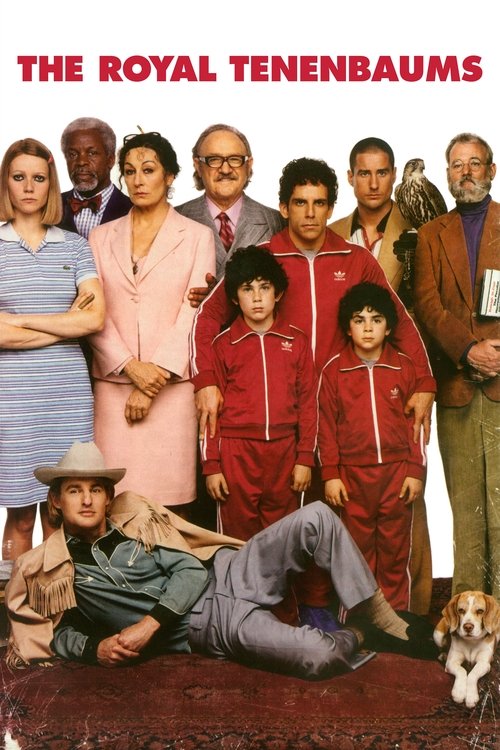
Bellizzi drew on Marlene Dietrich, Grace Kelly, and the house of Madame Grès — choosing Grès over Dior for Kay's introduction because "she's of a different stature, which is a little more classic." But the most telling decision was what Bellizzi avoided: she deliberately refused to recreate Paltrow's iconic Royal Tenenbaums fur coat look. No nostalgia. No wink. This is a different Paltrow in a different universe, and the wardrobe enforces it.
Ernst Haas and the Color of Memory

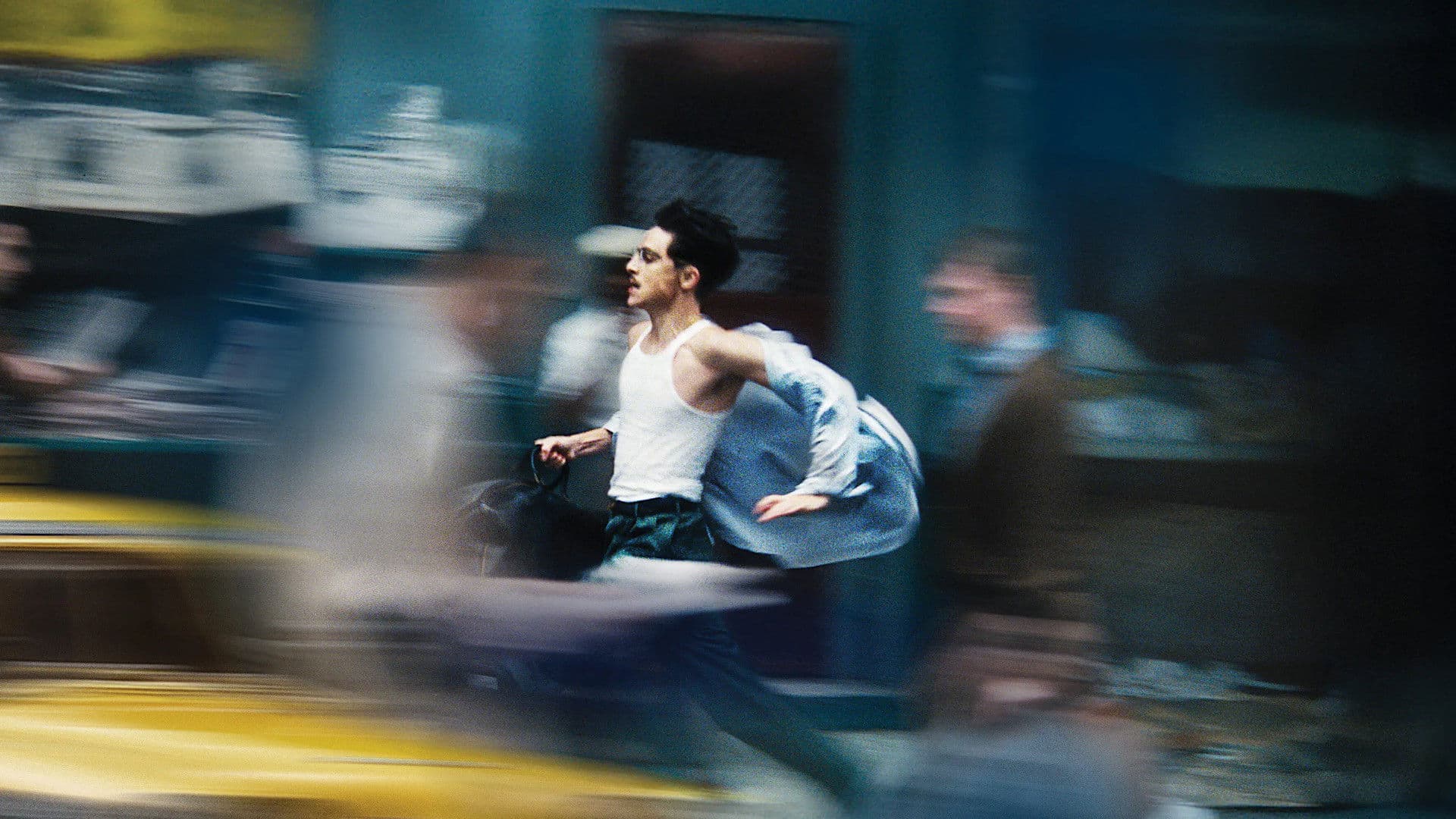
The film's saturated, almost hallucinatory color palette comes from one photographer: Ernst Haas, who was shooting New York on Ektachrome reversal film in exactly the period Marty Supreme depicts. Safdie called Haas' work "very inspiring because he was using Ektachrome reversal film in the time period, which is so bright and vivid."
Alongside Haas, Safdie cited Irving Penn's "Small Trades" series — portraits of real working people pulled off the street — as informing both the visual palette and the film's stunt-casting philosophy of using 140 non-actors. The casting is the photography. Penn shot cobblers and plumbers with the same formal beauty he gave fashion models. Safdie cast Abel Ferrara and David Mamet and Tyler the Creator with the same logic: the real face is the performance.
Abel Ferrara Playing Himself Playing Someone Else
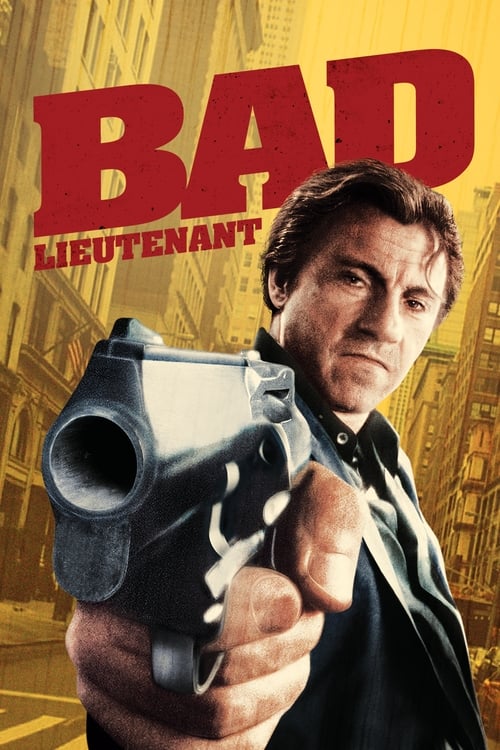
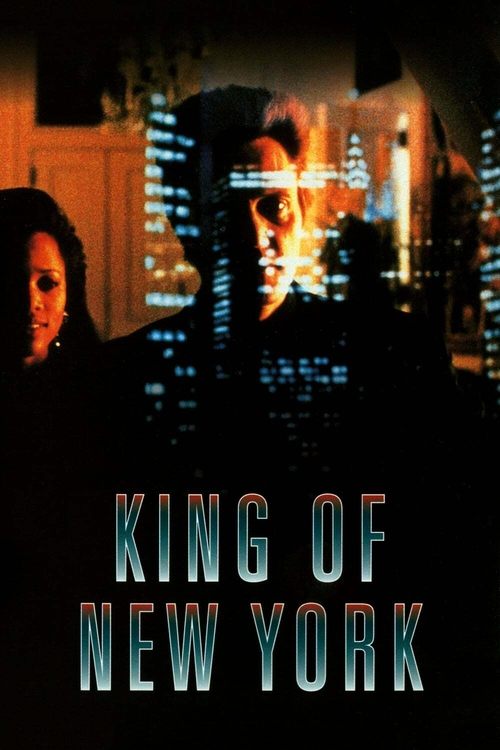
Speaking of Ferrara. The decision to cast the director of Bad Lieutenant and King of New York as gangster Ezra Mishkin collapses something that most films keep separate — the influence and the film become the same object. Les Inrockuptibles named the trifecta shaping Marty Supreme as Cassavetes, Scorsese, and Abel Ferrara. Then Ferrara walks on screen, and suddenly the influence is embodied. He's not referencing gritty New York crime cinema. He is gritty New York crime cinema.
As Bellizzi put it, "Ferrara is one of the reference points Marty would've seen. Marty was inspired by the neighborhood wise guys." The character and the casting feed on the same source.
What the Pattern Reveals
Line up every influence and a shape emerges: Safdie doesn't borrow moods. He borrows mechanics. A painter's lighting setup. A photographer's film stock. A forgotten lens. A composer's theory about mallet percussion. A costume designer's deliberate avoidance of an iconic look. Each influence solves a specific problem — how to light a ping-pong match, how to make 1950s color feel alive, how to score nostalgia without sentimentality.
The result is a film that exists in three time periods simultaneously — fifties setting, seventies camera, eighties sound — and the temporal dislocation is the point. Ambition doesn't belong to any era. Neither does the loneliness that follows it.
Your watchlist just got longer. Start with Barry Lyndon and Bellows. End with Cassavetes. And find that Ernst Haas Ektachrome photography — it's the key to everything Safdie wants Marty Supreme to feel like.