The Murderer Who Believed in Hard Work
John Patton Ford
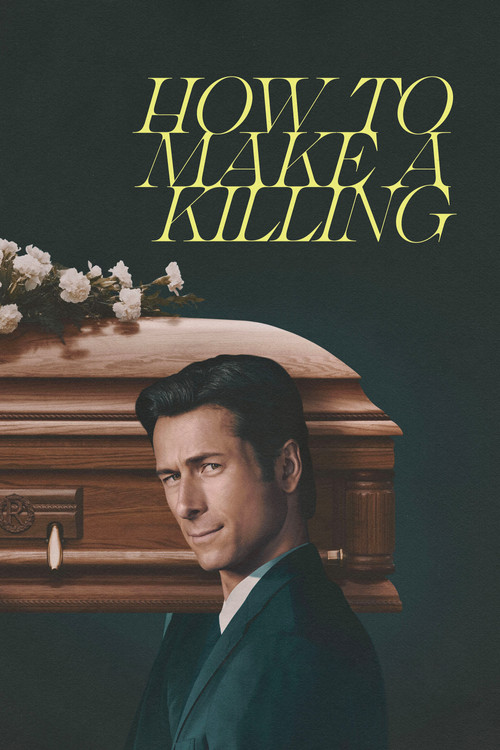
How to Make a Killing is the story of a man who commits seven murders and genuinely thinks he's just being ambitious. Understanding where that idea came from changes everything about the film.
John Patton Ford spent years working catering gigs and restaurant shifts while writing screenplays nobody made. He describes himself as someone who "just wouldn't stop shooting half-court shots until one finally lands." By the time he made Emily the Criminal, he had spent enough time feeling locked out of the system to understand viscerally the psychology of someone who decides the normal rules don't apply to them. When he stumbled across a 1949 British comedy about a man who murders his way through an aristocratic family tree, something clicked. Not as a film reference but as a mirror.
That collision — between an Ealing farce and a filmmaker's own barely-suppressed rage at economic gatekeeping — is what How to Make a Killing actually is. Here's where it came from.
The 77-Year-Old Film That Started Everything
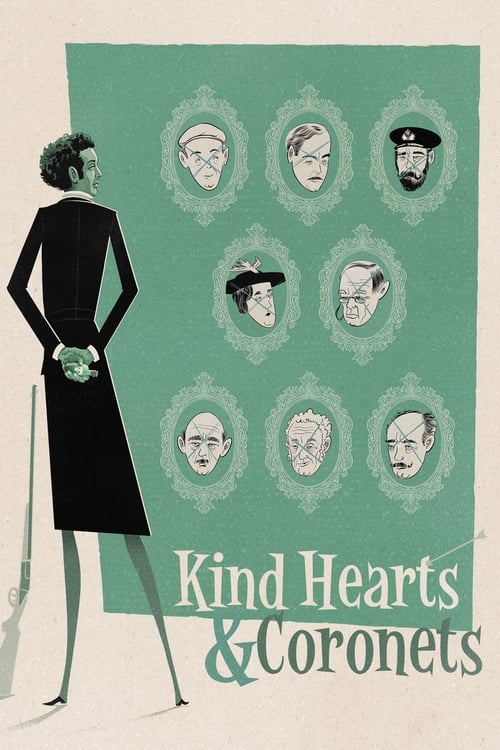
Ford saw Kind Hearts and Coronets around 2012 and was, by his own account, stunned. Not by its wit but by how contemporary it felt. A disowned man discovers he's heir to a vast fortune if he can eliminate the relatives standing between him and it. He does. Methodically. With great charm. The film doesn't flinch or moralize. It just watches.
What Ford took wasn't the murders. It was the structure: a retrospective confession from death row, the inheritance-as-premise, and above all the decision to present a sociopath as the hero without blinking. He also took the film's central swap — instead of British aristocracy, the target would be American billionaires. "The U.S. doesn't have the same class system," he's said, "but we do have an emerging and absolutely massive wealth divide." Kind Hearts gave him the architecture. The wealth divide gave him the fury.
Watch it and you'll understand why Becket Redfellow feels so oddly sympathetic. The film teaches you how to root for someone like that. Robert Hamer figured it out in 1949. Ford just updated the zip code.
The Film That Taught Ford How to Play It Straight
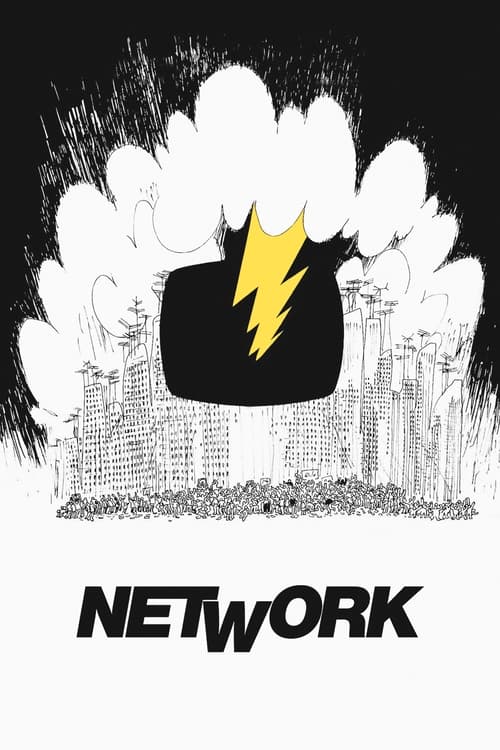
Here's the tonal problem Ford had to solve: a premise about methodically murdering billionaire relatives is objectively insane. Make it too broad and it becomes farce. Too earnest and it becomes grim. He kept coming back to Network.
A TV executive decides to let an anchor die on air because it's good for ratings. Sidney Lumet shoots it like a drama. No winking, no camp — just people in suits having meetings about broadcasting a man's death, and somehow you believe every second of it. Ford describes Network as "an absolutely ridiculous premise that would never happen in reality, but the movie just plays it so straight that you find yourself believing it." That's the target. A film that earns its absurdity by refusing to acknowledge it's absurd.
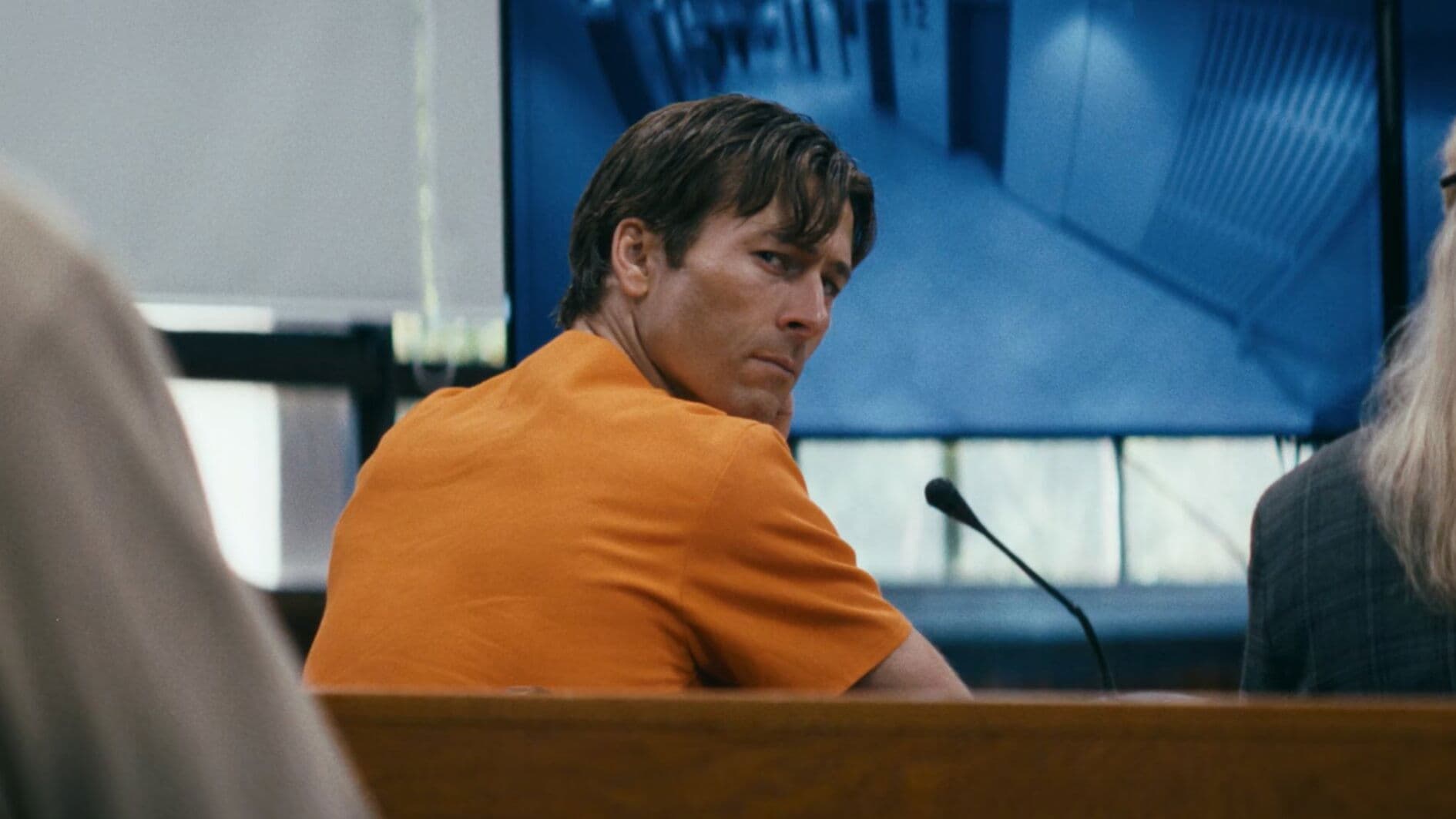
The death-row confessional structure does similar work in How to Make a Killing. Becket narrates his crimes with the calm of a man describing a successful quarter. The murders aren't shot as thriller set-pieces, they're almost administrative. That's pure Network logic: the most alarming things become ordinary when everyone in the room treats them as ordinary.
Billy Wilder's Insane People Who Happen to Be Real
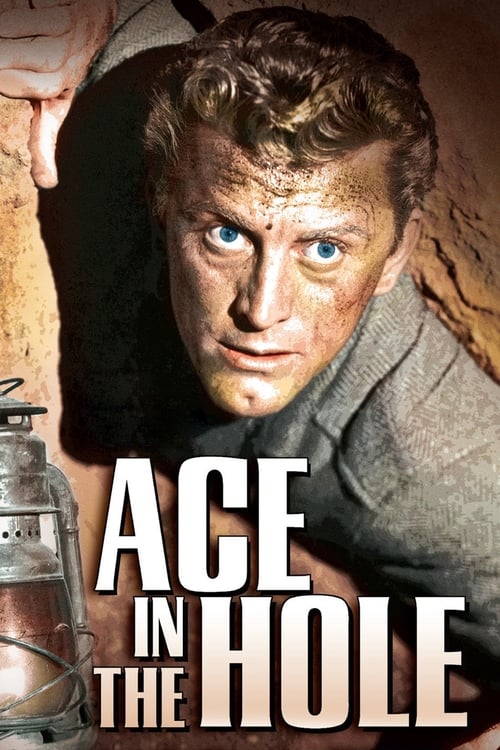
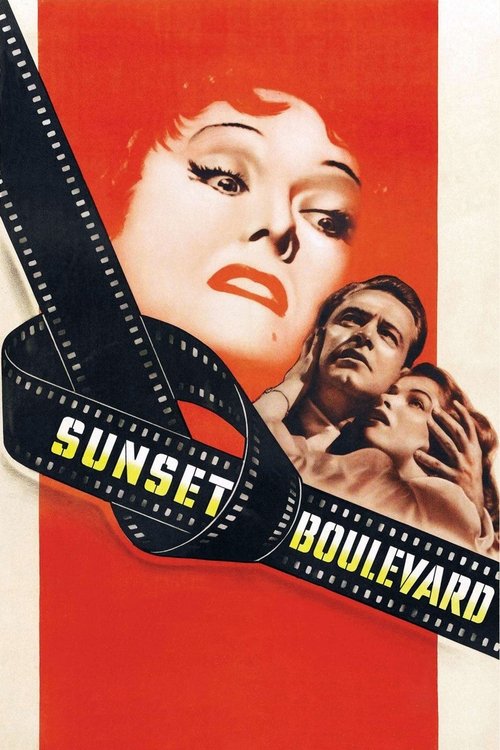
When Ford talks about the character gallery he wanted: the megachurch pastor, the art-world narcissist, the influencer cousin, he names Ace in the Hole and Sunset Boulevard in the same breath. "Stuff that's in the real world but full of just eccentric insane people who happen to still be real," as he put it. "Those are the references."
What Wilder understood, and what Ford is borrowing, is that satire works best when the targets are grotesque but never impossible. Kirk Douglas's Chuck Tatum in Ace in the Hole is monstrous and completely believable — a man who prolongs a rescue operation because the story is making him famous. Every relative Becket dispatches has that quality: pushed just far enough to feel like a type, but grounded enough to feel like someone you've actually met at a dinner party.
There's also a Wilder trick in how Becket talks about himself. He doesn't see himself as a villain. He sees himself as someone who identified a problem and solved it efficiently. Tatum does the same thing. Norma Desmond does the same thing. The most chilling Wilder characters always have complete internal consistency.
The Bootstrap Hero with a Blind Spot
This one isn't a film. It's a myth — and it might be the most important influence on the movie.
Ford describes Becket as a "Horatio Alger style hero": someone who wakes up, puts in the work, makes sacrifices, and claws toward the life they believe they deserve. The twist is that Becket "just happens to have this massive ethical blind spot where he doesn't understand that what he's doing is totally sociopathic." He genuinely thinks he's just being ambitious.
That framing completely recontextualizes the film. Becket isn't Patrick Bateman — he's not enjoying any of this. He's grinding. Murder, for him, is just another form of hustle. Ford spent years in that psychology himself, minus the homicide, and he's clearly fascinated by how easily the "do whatever it takes" ethos can be stripped of its ethical governors when the goal feels righteous enough. The film isn't really about a killer. It's about what the self-made-man story looks like when taken to its logical extreme.
Glen Powell and the Charm Problem
Glen Powell has a specific problem as an actor: he's almost too charming. Too handsome, too at ease, too much fun to watch. And Ford found a way to weaponize that.
Powell describes Becket as someone driven by ambition more than revenge — "he's doing what it takes to get what he thinks he deserves." That's a crucial distinction. The film needs you to find Becket appealing even as you register what he's doing, and Powell's natural magnetism does that work automatically. You're always slightly ahead of your own discomfort.
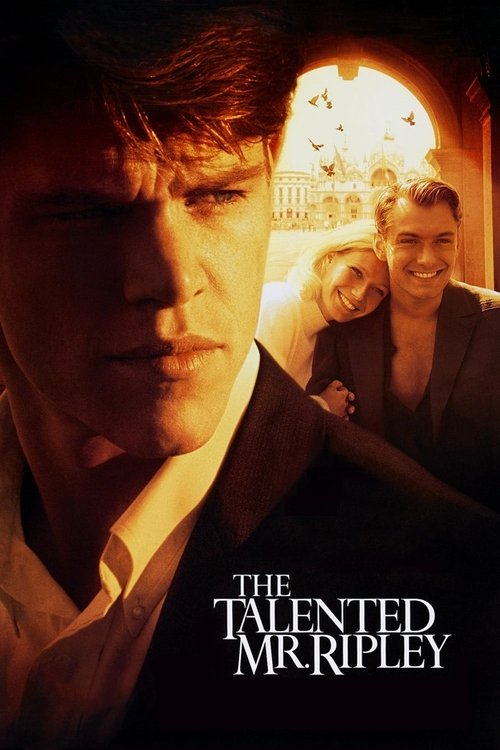
There's a specific filmmaking legacy here: the American antihero whose handsomeness is itself a kind of moral camouflage. Patrick Bateman in his suits and morning routine. Tom Ripley with his borrowed elegance. Ford and Powell are working in that tradition — but locating it in a world of yacht parties and Silicon Valley inheritances rather than 80s Manhattan. The costume isn't a disguise. The charm isn't a performance. That's what makes it disturbing.
The Femme Fatale Who Knows What She's Doing
Powell's word for Julia Steinway — Margaret Qualley's character — is "throwback femme fatale." But Qualley, he notes, brings a "modern sensibility" that keeps her from being a simple archetype. That tension is the interesting thing.
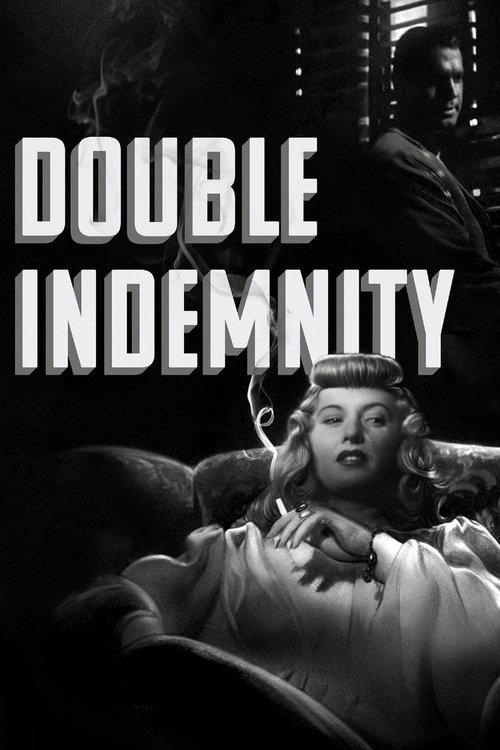
Classic noir femmes fatales are usually opaque: we never quite know what they know or when they knew it. Qualley's Julia seems fully conscious of Becket's nature and stays anyway, which pulls the film toward a different and more uncomfortable place — not "she's being deceived" but "she's made a choice." That's Wilder territory again, specifically Double Indemnity: a woman who is neither victim nor villain but something more troubling than either.
The film's willingness to leave Julia morally ambiguous, without resolution or punishment, is one of its most distinctive moves. And it places How to Make a Killing in conversation with a whole lineage of American noir that Double Indemnity essentially founded.
What Happens When the Audience Agrees With the Killer
There's one influence on this film that no one planned for, and it might be the most revealing thing about it.
Ford has talked about being genuinely surprised by how far audiences were willing to go with Becket. "You'd be stunned at the level of resentment and rage that people have," he's said. He thought viewers would eventually hit a limit — a murder too far, a victim too innocent. They didn't. They kept rooting for him.
That reaction is itself a creative context — a cultural mood that functions like a reference point. Ford made a film shaped by years of economic frustration and a belief that access and resources determine outcomes more than talent or effort. He didn't anticipate that contemporary audiences would receive Becket not as a dark satirical exaggeration but almost as a fantasy. The gap between what Ford intended (a morally interrogating dark comedy) and what viewers experienced (a cathartic wish-fulfillment about killing billionaires) is its own kind of influence — one that lives in the reception of the film as much as in its making.
That's probably why How to Make a Killing feels slightly unsettled, tonally. It was built to make you uncomfortable. It just didn't expect you'd be so comfortable.
Where to Start
If you've never seen Kind Hearts and Coronets, start there. Not because it's the blueprint — you'll spot all the structural DNA immediately, which is interesting — but because it's one of the few films ever made that is genuinely funnier and darker and smarter than its premise has any right to produce. It's 77 years old and it still feels like it was written last year. Ford saw it and immediately started writing. You'll understand exactly why.