The Films That Shaped Hamnet: Chloé Zhao's Influences
Chloé Zhao
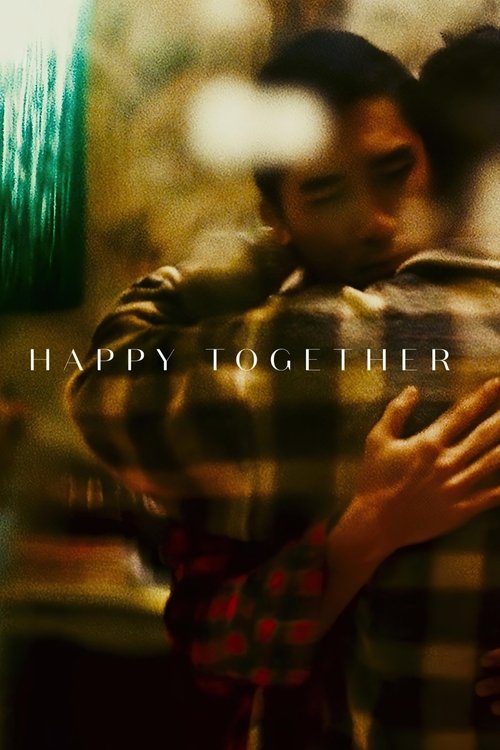
Before every film she makes, Chloé Zhao watches Happy Together. The same film. Every time. It's a ritual — like a prayer before the work begins. And when she discovered that Maggie O'Farrell, the novelist behind Hamnet, also considers Wong Kar-wai her favorite director, something clicked — it confirmed they shared the same creative DNA. Two women, separated by continents and medium, whose creative heartbeats had been synchronized by the same Hong Kong filmmaker for decades.
That detail alone tells you something about the kind of influence map we're dealing with here. Hamnet is not a film that wears its references on its doublet sleeve. It's a 16th-century English grief story directed by a Beijing-born filmmaker who draws manga, meditates with a Jungian somatic specialist, and thinks in chakra colors. The creative DNA is genuinely wild — and once you see it, you can't unsee it.
Here's every thread we could trace.
The Film She Watches Like a Prayer
You know the feeling Hamnet gives you — that the camera isn't watching Agnes so much as being Agnes, breathing when she breathes, flinching when she flinches? That's pure Wong Kar-wai. Zhao has called Happy Together "the film that made me want to make films," and she's been rewatching it since she was a teenager in Beijing. For her debut, she told her DP she wanted the film to "feel like it comes from inside." A decade later, that same instruction clearly applied to Hamnet.
What she took is specific: a rhythmic, sensory editing pulse — what she calls a "heartbeat" — where cuts follow emotional logic rather than narrative logic. When Agnes runs her hand across wild herbs or presses her face into Hamnet's hair, the film lingers exactly as long as the feeling lasts. Not a frame more. That's the Wong Kar-wai inheritance: cinema as a direct nervous system transmission.
The God Problem
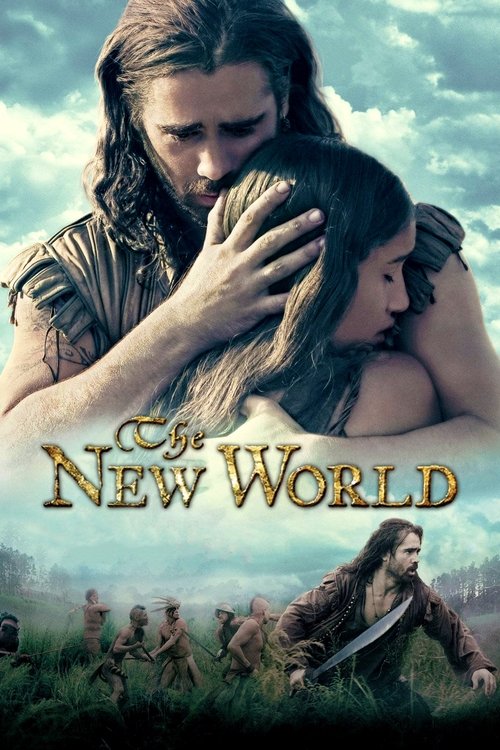
There's a line from Zhao's former DP, Joshua James Richards, that cracks the whole film open: "In Terry's film, God exists; in Chloé's film, paganism exists." He's talking about Terrence Malick, the single biggest creative ancestor of Hamnet — a filmmaker Zhao calls one of her three mentors and whose The New World she's dissected in a Criterion video essay. Those opening shots of sunlight filtering through branches? You've seen them before. Malick invented that grammar.
But here's the key: Zhao doesn't imitate Malick. She inverts him. Where Malick's camera reaches upward toward transcendence — "trying to reach up as high as possible to the heavens," as Zhao puts it — Hamnet pushes downward, into earth and root and loss. Agnes isn't looking for God in the trees. She's looking for her dead son. Same visual language, opposite spiritual direction. Malick himself saw the film and emailed Zhao's producer: "I felt shaken to the core."
The Surveillance Ghost
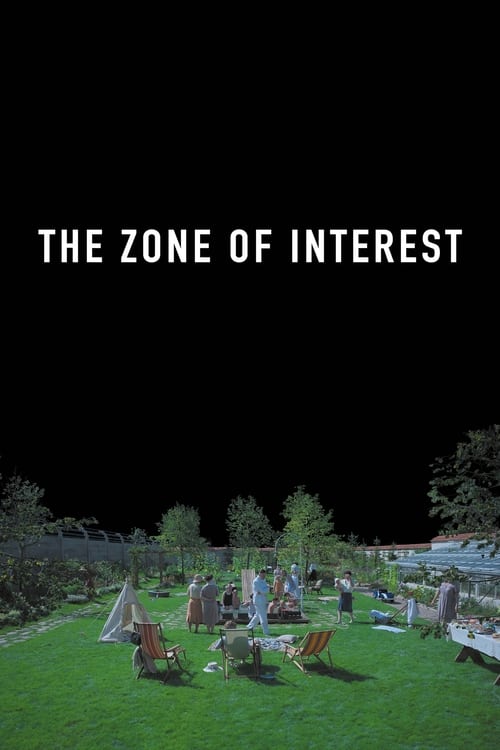
Here's a visual trick to watch for on your second viewing. In the domestic interiors of the Shakespeare house, the camera occasionally floats to an impossible overhead angle — static, distant, observational. Like a CCTV camera. Like something is watching the family from above.
Zhao lifted this directly from Jonathan Glazer's The Zone of Interest, and she asked Glazer's permission first. "I was so blown away by the film and I asked John if I can steal the language for this," she's said. She then hired Glazer's cinematographer, Łukasz Żal, and his Oscar-winning sound designer, Johnnie Burn. In Glazer's film, the overhead shots captured horror happening just off-screen. In Hamnet, they suggest a ghost — a dead child looking down at the family carrying on without him. Same formal device, repurposed into something heartbreaking.
The Candlelight Formalist
Żal didn't just come along for the ride — he brought his own philosophy that fundamentally shaped how Hamnet looks. "The light has to emerge from the scene itself," he's said. "I don't want conventional lighting where actors are evenly lit. I don't accept it." The interiors of the Shakespeare house are lit almost entirely by real candles and whatever daylight crept through the windows, giving every frame the quality of a Dutch Master painting.
Zhao hired him specifically to rein in her own instincts. She's a Malickian expansionist by nature — wide skies, roaming cameras. Żal is a formalist who compresses and contains. "I was excited for him to contain my chaos," Zhao has said. "Chaos and order, that collision is why the universe exists." The result is a film that feels simultaneously open and claustrophobic — vast Welsh landscapes giving way to candlelit rooms where grief has nowhere to hide.
The Chakra Wardrobe
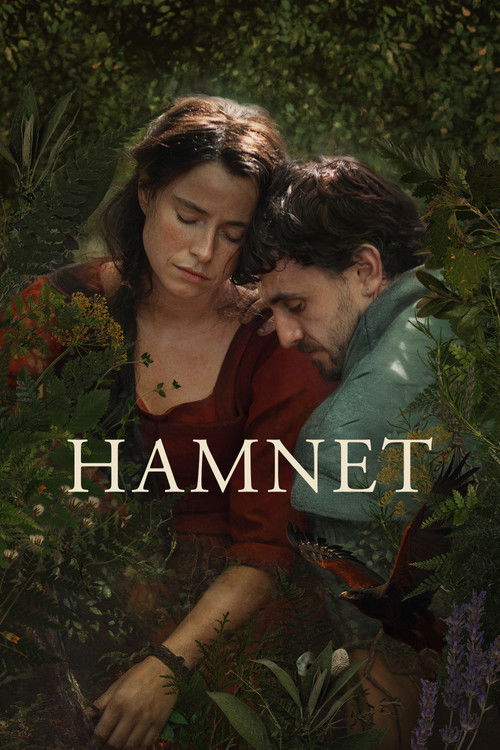
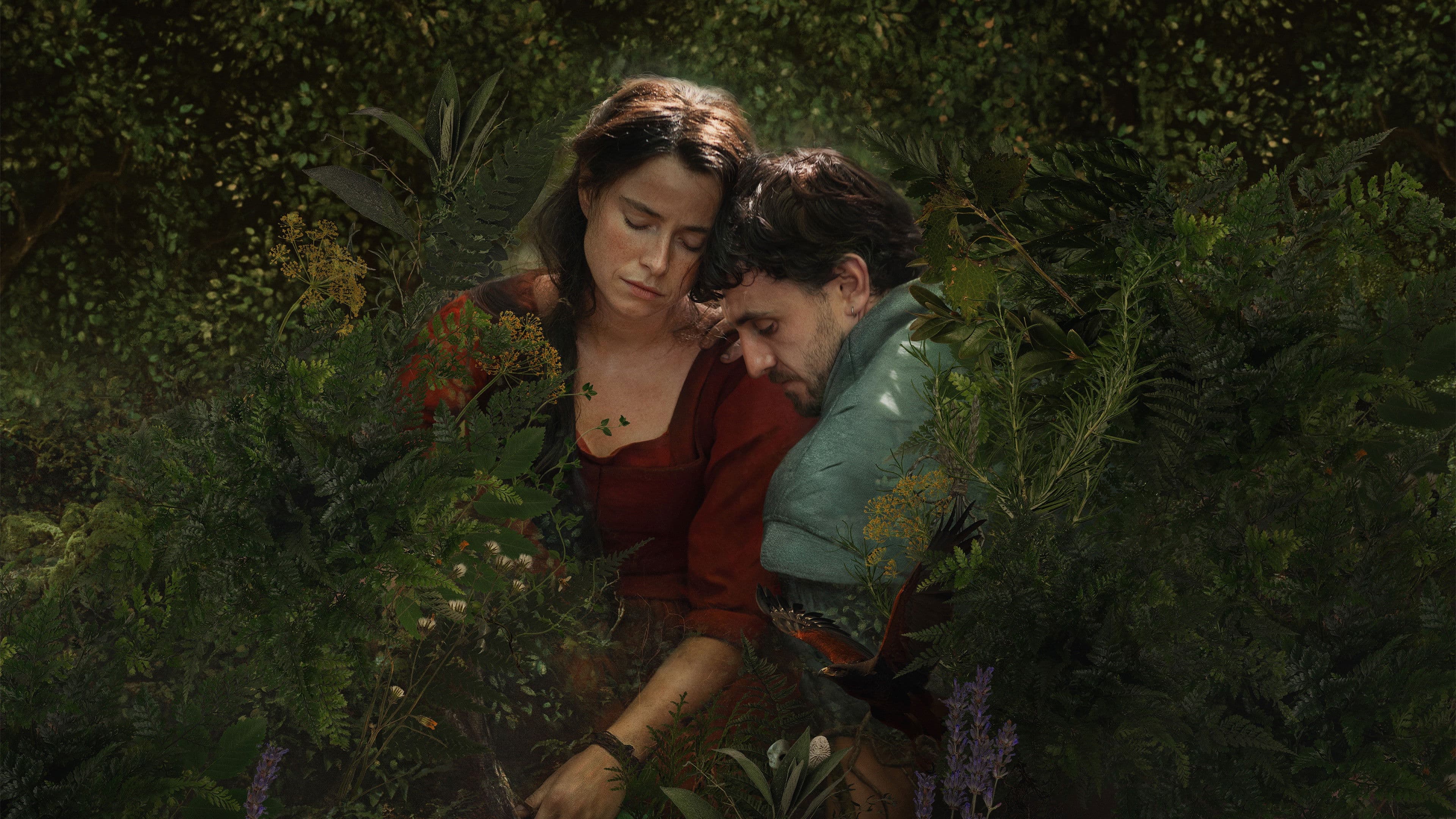
Next time you watch Hamnet, look at the colors. Agnes wears red — root chakra, the beating heart of the earth. Will wears blue — throat and third-eye chakras, openness and intuition. This isn't accidental. Zhao assigned chakra colors to her characters, and costume designer Małgorzata Turzańska executed the system with extraordinary precision. Agnes's vibrant reds gradually turn rusty — "a bit like drying blood" — then drain entirely after Hamnet dies, becoming scab-like greys and browns.
But the wildest detail is Will's wardrobe. His clothes were dyed with iron gall ink — Shakespeare's actual writing ink. The man literally wears his vocation. His art is consuming him, and you can see it in every frame. The entire character arc is in the costume.
The Anti-Heritage Film
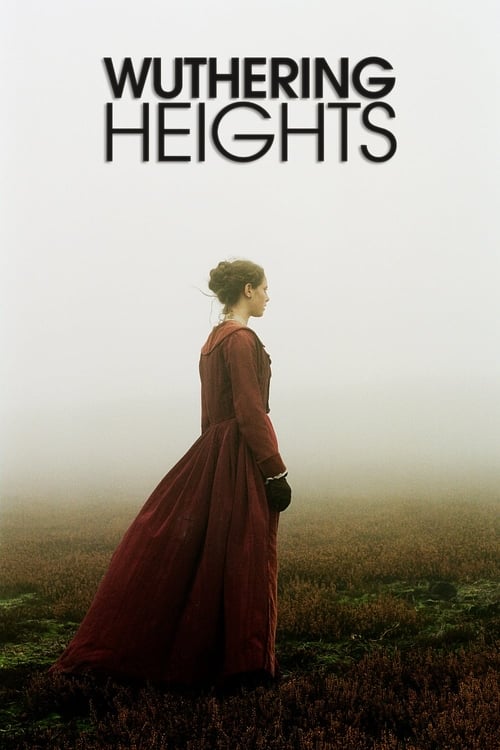
There's a version of Hamnet that looks like every other British period drama — all polished wood and tasteful bonnets. Zhao burned that version to the ground, and her template was Andrea Arnold's 2011 Wuthering Heights. Arnold stripped Brontë's novel down to raw texture: mud, rain, wind, insects crawling across skin. No score. Barely any dialogue. The Yorkshire moors as a character more alive than any actor.
Zhao has praised Arnold's eye for environment specifically: "She's constantly looking — 'What else around us can we capture?' And the way the characters are interacting with this place says so much." That's the permission slip Hamnet needed. Period films don't have to be museums. They can be weather.
300 People Meditating
This one isn't a film influence — it's stranger than that. Before takes, Zhao had a Jungian somatic specialist lead her entire 300-person cast and crew in group meditation. She's described herself plainly as "a student of Carl Jung" and studied his work alongside Greek mysticism as preparation. "Directing is not intellectual," she's said. "Half the time the decision is made by what is happening in your own body."
The results are on screen. Throughout the shoot, the crew brought personal loss into the room — and you can feel it. Jessie Buckley's devastating scream in the death scene feels like the culmination of that collective emotional work. The Jungian framework goes deeper still: Agnes and Will function as archetypes, anima and animus, whose opposing ways of grieving generate the film's entire dramatic engine. This isn't subtext. It's the architecture.
The Globe as Tree
Zhao gave production designer Fiona Crombie one instruction for the Globe Theatre interior: make it look like the inside of a tree. The team built it at 70% scale using 20 tons of oak beams shipped from dismantled French barns, specifically rejecting Shakespeare's Globe as "too ornate for the film." The metaphor is the whole movie in a single image — Shakespeare's art growing organically from the natural world Agnes inhabits, theatre as a living thing with roots and rings and memory stored in its grain.

The climactic sequence inside this wooden cathedral runs to the film's final act, staged with 300 extras swaying to Dinah Washington's "This Bitter Earth" playing on set speakers. Max Richter composed the original score, and his track "On the Nature of Daylight" anchors the finale. Richter warned Zhao the piece had already been used in Arrival, Shutter Island, and The Last of Us. She didn't care. "We live in a culture so afraid not to generate new things," she said, "we forgot that ancestral wisdoms carry the same amount of creative energy as things in the future." In a film about Shakespeare, that's not just a production choice. It's a thesis statement.
The Ensemble Master
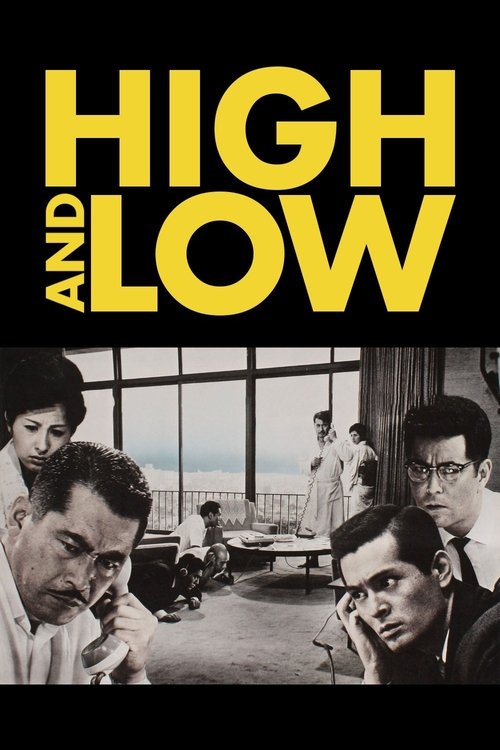
Bong Joon Ho noticed something in Hamnet's Globe sequence — the way Zhao stages 300 extras with precision — and asked about it. Zhao laughed: "It's so funny you mention that, because I actually watched High and Low as prep for directing Hamnet." Kurosawa's 1963 crime thriller has nothing to do with Shakespeare on the surface, but its masterful blocking of group dynamics in tight spaces was exactly the playbook Zhao needed for her most ambitious sequence.
The Manga Kid
English-language profiles tend to skip this, but Chinese sources tell a different story about young Chloé Zhao: she drew manga and wrote fan fiction in Beijing. Not as a footnote — as a formative obsession. Through manga, she absorbed Japanese Shinto ideas where every object carries a spirit, a pantheistic sensibility that flows directly into Agnes's relationship with the forest in Hamnet. Every herb, every gust of wind, every flicker of candlelight feels inhabited. That's not just Malick. That's Shinto by way of a teenager's sketchbook.
What the Map Reveals
Lay all these influences flat and a pattern emerges. Malick and Wong Kar-wai gave Zhao her emotional grammar. Glazer and Żal gave her formal discipline. Jung and Eastern philosophy gave her a spiritual architecture. Arnold gave her permission to tear up the heritage rulebook. And manga gave her something no one expected — an animist worldview that makes a 16th-century English forest feel genuinely alive.
The common thread isn't style. It's a belief that cinema should be felt in the body before it's understood by the mind. Every influence Zhao draws from — from Wong Kar-wai's sensory pulse to the Jungian meditations on set — points toward the same conviction: that the most powerful thing a camera can do is make you feel like you're inside someone else's nervous system.
Your watchlist just got longer. Start with Happy Together. That's what Zhao would do.