Behind Disclosure Day: The 62-Year Obsession
Steven Spielberg
In 1964, a seventeen-year-old made a feature film about scientists investigating strange lights in the sky. He didn't call them UFOs. "I called them fires," Spielberg remembers. "It was like a lethal oval of plasma you could see almost flying across the sky."
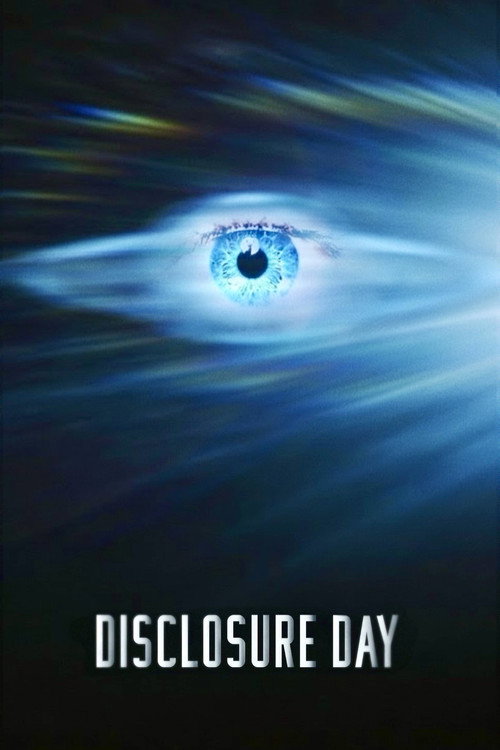
Sixty-two years later, Disclosure Day puts an oval craft back in the clouds, and Spielberg insists this one isn't fiction at all. He has said this is the first of his alien films he doesn't consider science fiction, because he now believes we're not alone. Think about that for a second. The director who taught the world to look up in wonder has made a film arguing the wonder was real the whole time, and that somebody has been hiding it from us.
That conviction changes everything about where this film draws from. The influence map of Disclosure Day is split down the middle: half of it is Spielberg raiding his own filmography, and the other half is a strain of cynical 1970s cinema he mostly stayed away from the first time around. Here's what he took, and from where.
The Question He Waited Fifty Years to Answer
Everyone calls Disclosure Day a companion to Close Encounters of the Third Kind, and for once the obvious comparison is the right one, because Spielberg built it that way. He describes the new film as a bookend, and Emily Blunt says it plainly: there are questions posed by Close Encounters that are answered in Disclosure Day.
But the interesting part is what flipped. In 1977, Roy Neary chased a hunch. In 2026, the premise is that the visitors never left and their presence has been covered up for eighty years. Spielberg's stated engine for the story is the unfairness of that secret. As he put it, "when the great unknown is actually known by some but not known by all of us, it's that inequity" that made him write it.
The echoes are everywhere once you look. Margaret's introduction mirrors Neary's domestic chaos, cereal tumbling into a bowl while a TV drones. The aliens themselves resemble the 1977 visitors. Even John Williams inverted his own approach: he told Spielberg that this time he'd write music under the film to give it a slight nudge forward, rather than music that leads it the way his operatic Close Encounters score did.
Watch the 1977 film again for the mashed-potato mountain, a grown man sculpting his obsession at the dinner table while his family watches him come apart. Disclosure Day is about what happens when that man turns out to be right.
The Movie That Taught Him Suspense
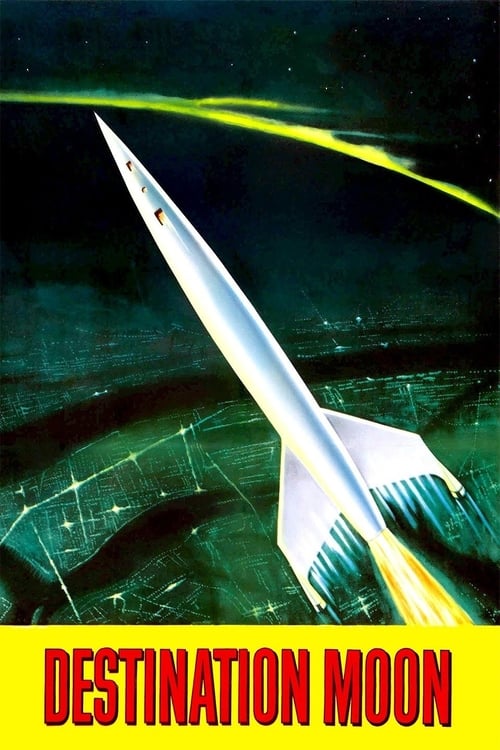
Before Close Encounters, before Firelight, there was a George Pal production about a rocket that might not have enough fuel to get home. Destination Moon was the first science fiction film Spielberg ever saw, and he says it changed his life. Not because of the aliens. There are no aliens. Because of a fuel gauge.
"It was the first time I ever felt something called suspense," he says. "I had never felt that before. In a sense, that film was a big influence on me."
That lesson is the skeleton of Disclosure Day. Strip away the saucers and you have a ticking-clock chase built from the same mechanics: a problem, a deadline, and characters doing arithmetic under pressure. Spielberg pitched the film by saying all you need to get from the beginning to the end is a seatbelt. That's a man still chasing the feeling a 1950 fuel crisis gave him in a movie theater.
Destination Moon is also where the lineage gets pleasingly circular: Pal went on to produce the 1953 War of the Worlds, which Spielberg remade half a century later. Watch it for the fuel sequence and you'll feel the exact moment a genre learned to sweat.
The Worst Film He Ever Made Is the Key to This One
Firelight is the film Spielberg has called one of the worst ever made. It's also the true origin of Disclosure Day, more than any film you can stream. Amateur sky-watchers, unexplained lights in the night sky: the teenage version of this exact story, six decades early.
What survived the trip is the image. That "lethal oval of plasma" he described from 1964 is recognizably the ancestor of the craft in Disclosure Day, and the amateur investigators prefigure the film's shadow agency, professionalized and weaponized by eighty years of secrecy.
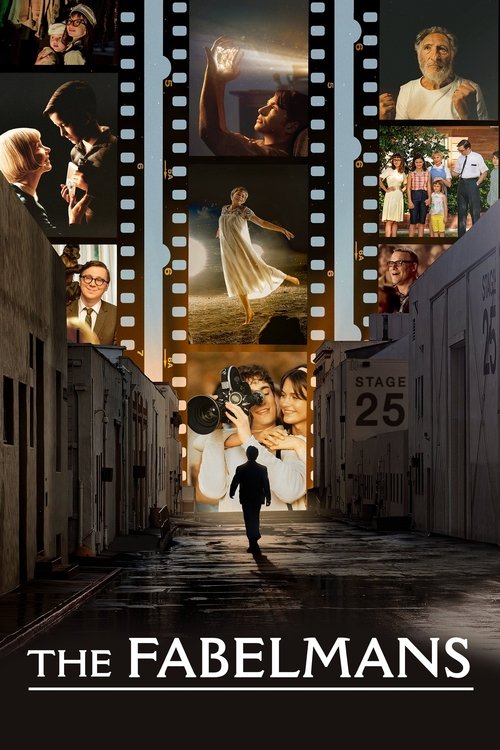
Good luck actually finding Firelight, so here's the workaround: The Fabelmans dramatizes the boy who made it, staging his amateur desert productions shot by shot. Watch it as the making-of for a film you'll probably never get to see.
The Newspaper Story That Started It All
The actual genesis of Disclosure Day is not a film. It's a front page. Spielberg traces the idea to the moment the New York Times published its 2017 report on a secret Pentagon program, complete with Navy cockpit footage of something impossible. "That report and those images of Navy pilots observing an oval object about 12 metres long maneuvering off the coast of San Diego rekindled my interest," he says.
That object is the famous Tic Tac, filmed by Navy pilots in 2004, and you can watch the declassified footage yourself right now. Then came the 2023 congressional hearing where a former intelligence officer testified under oath about crash retrieval programs, which fueled the script further. Daniel Kellner, the film's whistleblower hauling stolen evidence across the country, is that hearing turned into a character.
This is the part of the influence map that explains Spielberg's "this isn't science fiction" claim. He didn't adapt a book or homage a movie. He adapted the news. Pull up the FLIR footage before you see the film; the craft on screen will look uncomfortably familiar.
The Cynics in the Engine Room
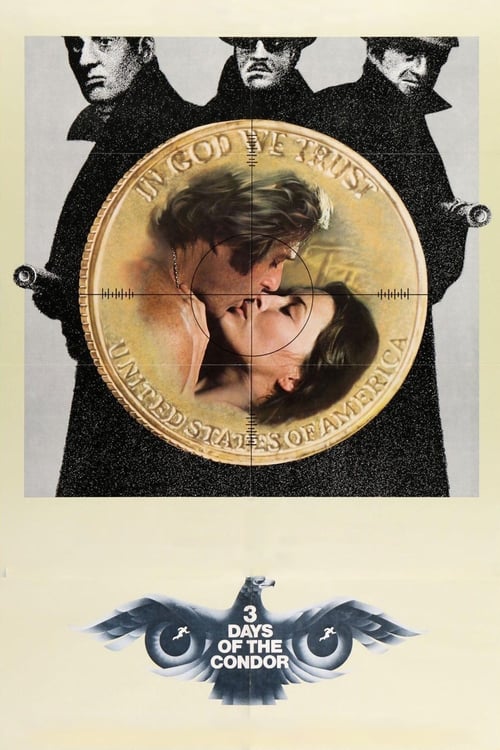
Here's the graft nobody expects on a Spielberg alien film: David Koepp wrote it as a 1970s paranoid thriller. His words: "I wanted to write something that maybe Alan Pakula would look down and smile on. That was my mindset." Pressed for a closer match, he names a different touchstone entirely. "This felt like Three Days of the Condor to me."
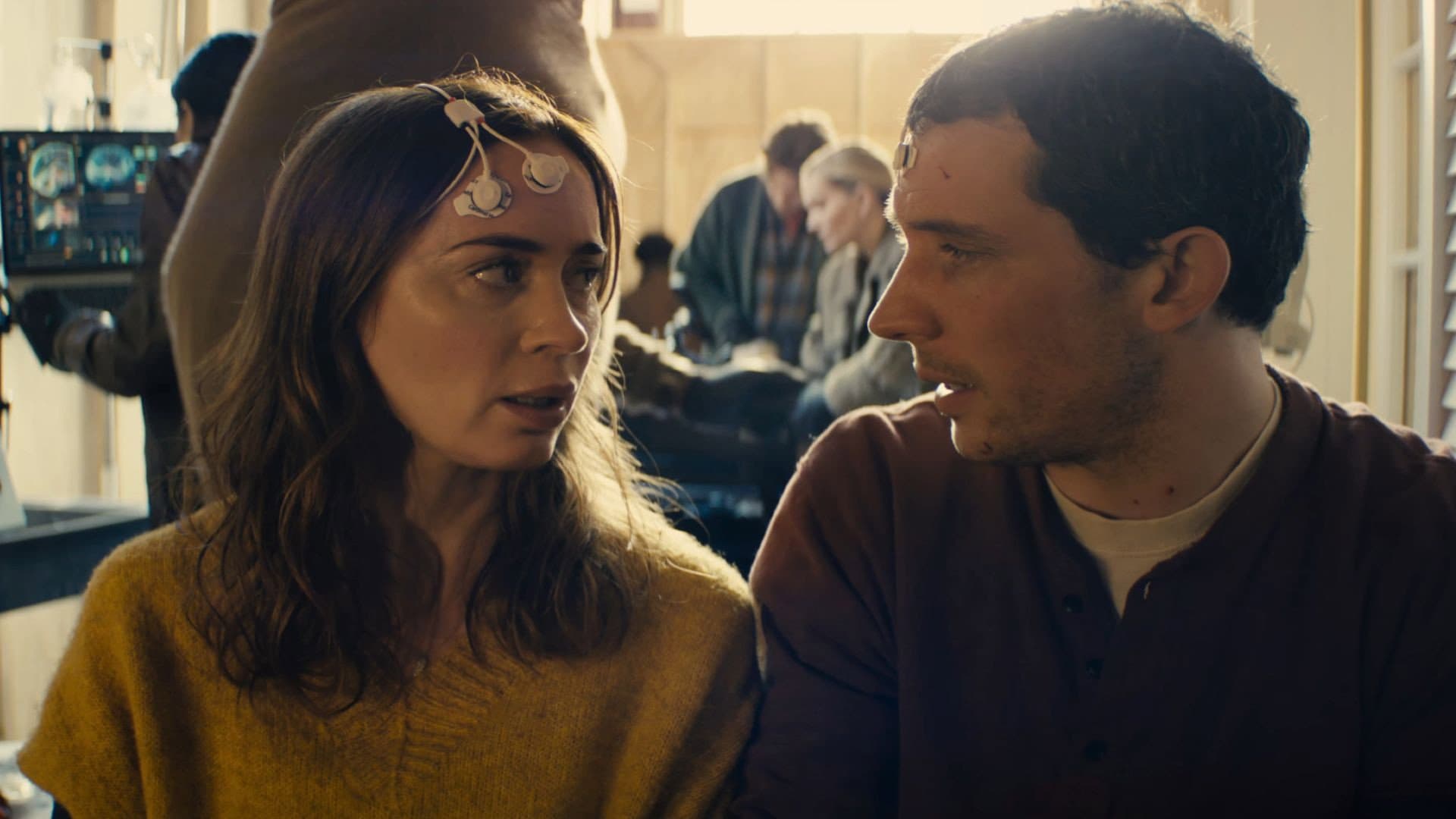
You can see the Condor chassis from space. An ordinary insider stumbles into a secret, the institution turns on him, and the whole machine becomes a chase where the hero can trust no one. Kellner is Koepp's Joe Turner with a hard drive instead of a paperback. Kaminski shoots it accordingly: silhouettes, dim interiors, daylight cutting through windows like searchlights.
Koepp also has the sharpest line about why the graft works. Close Encounters came out of a "maybe the government's lying to us" paranoia, he says, and fifty years later, we know the government is lying to us. The wonder movie and the conspiracy movie finally needed each other.
Three Days of the Condor remains the leanest of the seventies conspiracy pictures, and its final scene, a man standing outside the New York Times betting everything on publication, is practically Disclosure Day's thesis statement filmed fifty years early.
The Mall Scene, Inverted
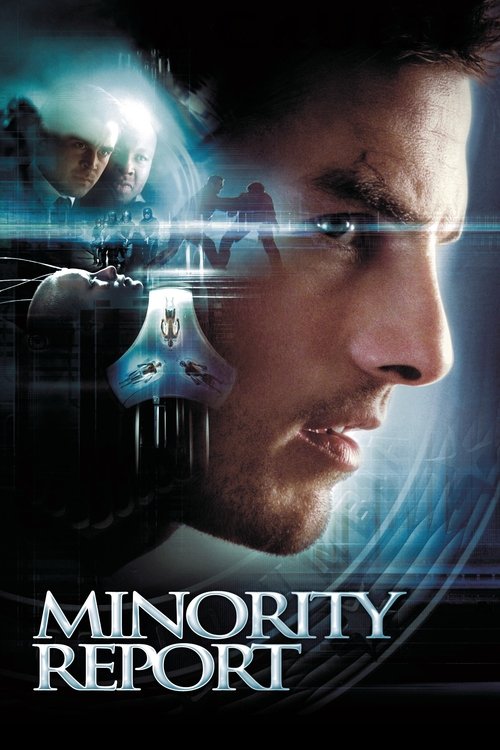
Among his own films, the one Disclosure Day leans on hardest isn't an alien movie. It's Minority Report. Both are long desaturated chases about the ethics of releasing privileged information, shot by the same cinematographer reviving the same muted palette and his beloved halation, now updated so every phone screen blooms into lens flare.
The clearest steal is a set-piece. Margaret has a sequence reading the strangers around her that plays as a riff on the Hawthorne Plaza mall escape, where Agatha the Pre-Cog whispers split-second instructions through a crowd. Same choreography of foresight, two decades apart, except this time the gifted woman is the protagonist rather than the cargo.
If you've only seen Minority Report once, the mall sequence alone justifies the rewatch: a chase where the weapon is knowing what everyone in the room is about to do.
Three Films for a Desert Island
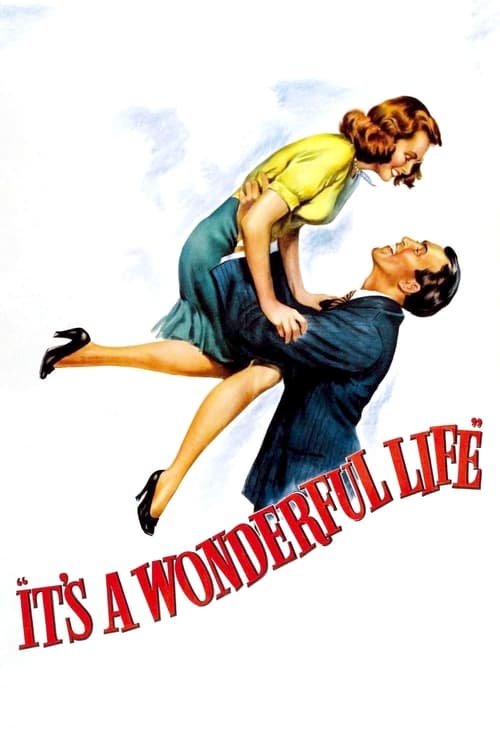
Asked recently which three films everyone should see, Spielberg didn't hesitate: It's a Wonderful Life, Goodbye, Mr. Chips, and his own Schindler's List. Two mid-century weepies and a Holocaust drama, volunteered in the middle of promoting an alien thriller.
That list is the decoder ring for Disclosure Day's most divisive quality: its hope. For all the Pakula machinery, the film keeps insisting that ordinary people, shown the truth, will rise to it. That's Capra's wager. George Bailey is saved by a community showing up at his door; Disclosure Day scales the same bet up to the species. Koepp gives the idea its clearest voice in the script's thesis that empathy is the most powerful evolutionary trait, another way of saying cooperation.
So the film is a tug-of-war: Koepp built a machine for distrust, and Spielberg aimed it at a Capra ending. Whether that lands for you or curdles is the whole conversation around this film. Revisit It's a Wonderful Life past the Christmas sentimentality and you'll find something darker than its reputation, a film that earns its hope by walking through despair first. Sound familiar?
A Car, a Train, and a Fifty-Year-Old Note to Self
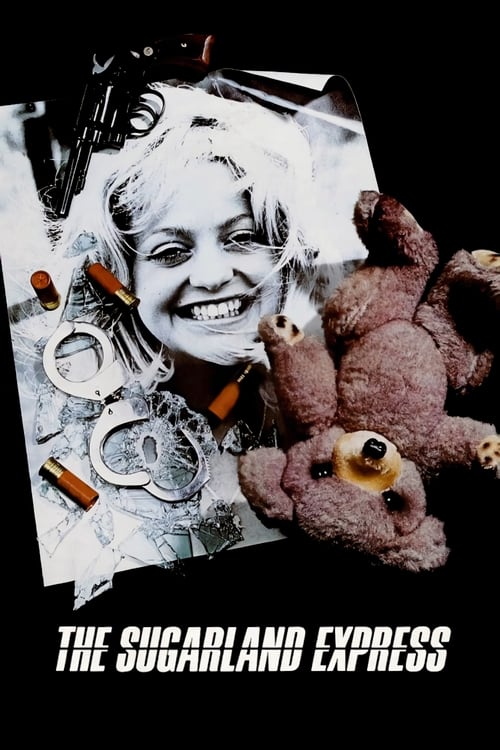
The set-piece everyone leaves talking about, a car shoved into the path of a freight train, has a backstory better than the scene. Spielberg says the idea first came to him on the set of The Sugarland Express. He carried it for half a century before finding the film that could hold it.
It fits, because Sugarland is the skeleton key to this side of him: the road-movie Spielberg, fugitives in cars, police convoys, ordinary American landscapes turning hostile through a windshield. Disclosure Day's cross-country flight is that movie wearing a sci-fi coat. Williams sharpens the train sequence by doing the opposite of what you'd expect: the score drops out entirely when the action peaks.
The Sugarland Express is the most underseen film of his career, his first theatrical feature, with Goldie Hawn extraordinary as a mother who hijacks her own life back. Watch it and you'll see the chase grammar of Disclosure Day already fully formed in 1974.
Where to Start
Lay the map flat and the pattern is unmistakable: almost every road leads back to Spielberg himself. The teenage plasma ovals, the Close Encounters iconography, the Minority Report chase mechanics, a train idea pocketed on a film set half a century ago. Disclosure Day is a filmmaker in conversation with his own shelf, and the one outside voice he let in, the Pakula-Pollack school of paranoia, is precisely the sensibility his younger self refused. He has said science fiction became his version of making a western; this is the late western where the gunfighter rides back through every town he built.
Don't start with Close Encounters. You've seen it, and you'll rewatch it anyway. Start with Three Days of the Condor. It's the influence that explains what's actually new here, the source of the film's nervous system, and its ending, a man gambling that the truth will survive publication, is the exact question Disclosure Day spends two hours answering. Everything Spielberg you already know; the Pollack is the missing piece.