The Creation of a Monster: The Films Behind Coralie Fargeat's The Substance
Coralie Fargeat
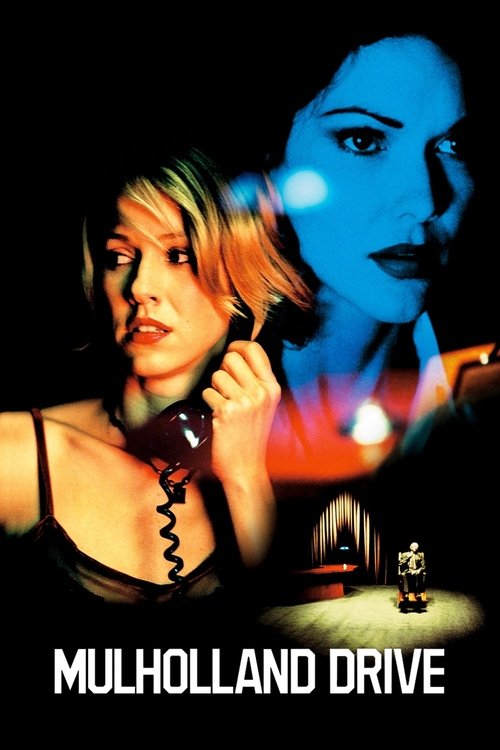
In Coralie Fargeat's Paris apartment, two DVDs sit side by side on a shelf: The Thing and Mulholland Drive. John Carpenter and David Lynch. Flesh and dream. It's not a coincidence — it's a thesis statement.
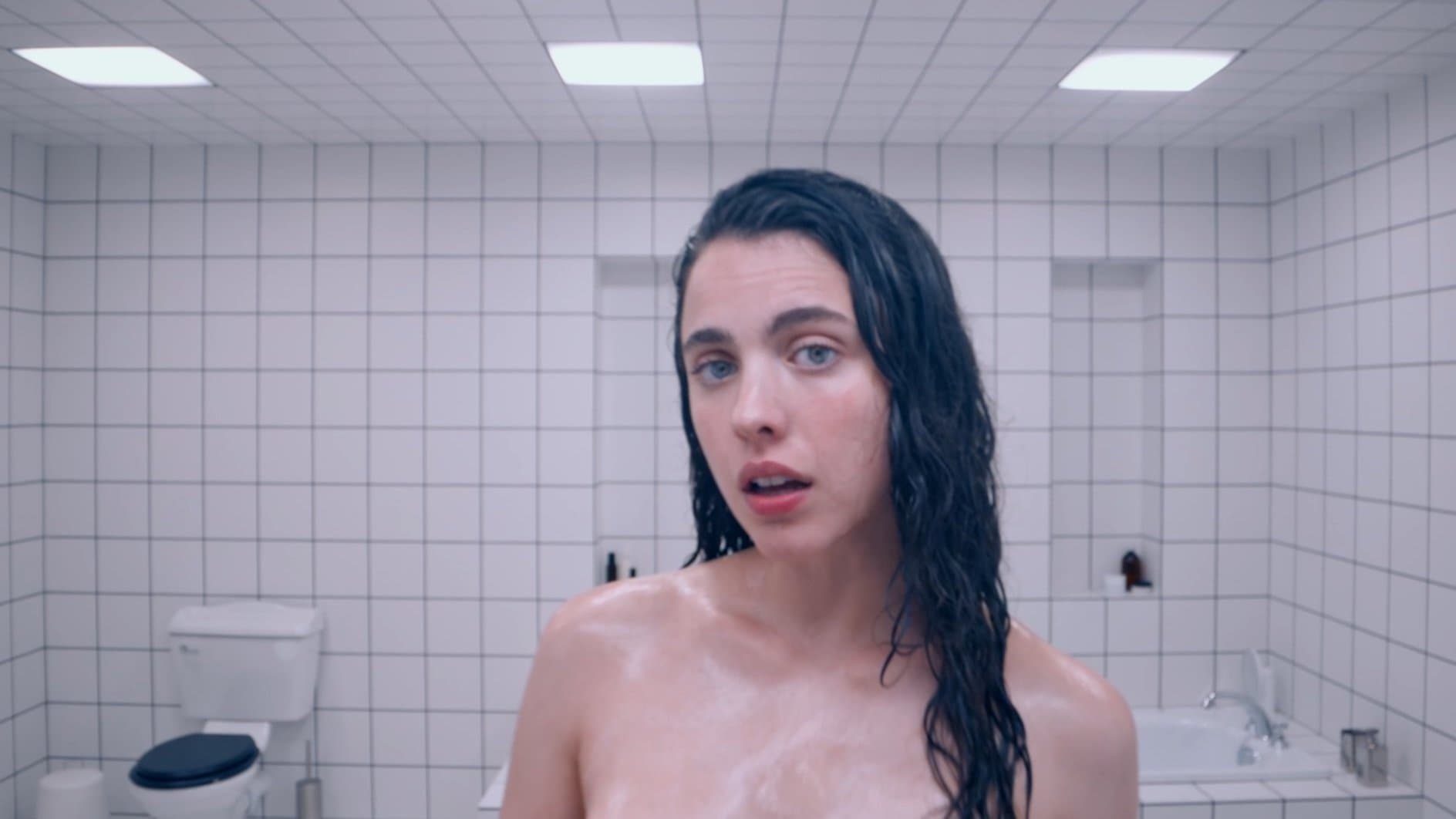
The Substance is what happens when those two films have a baby in a white-tiled bathroom under fluorescent light. But to understand how Fargeat got there, you have to go back to Cannes in 2001, when a young woman who had never directed a feature walked into the Grand Théâtre Lumière on borrowed accreditation and had her life changed.
The film she saw was Mulholland Drive. She left knowing she had to make movies. Twenty-three years later, she returned to the same auditorium with The Substance in competition. Everything that happened in between starts with what she was watching — and how she was watching it.
The Dream That Started Everything
Mulholland Drive is where Fargeat's Hollywood was born — and it's not the real Hollywood. As she put it, it's "a David Lynch Los Angeles that lives in your unconscious." That's the Hollywood of The Substance: a city that exists as a symbolic space rather than a real one, where billboards loom like gods and corridors feel like psychological mazes. She didn't film a single frame in Los Angeles. She built the whole thing on soundstages in France, which is exactly the point.
Lynch also gave her permission to leave things unexplained. Not every image needs decoding. Some of it just hits — in the body, before the brain catches up. The scene where Elisabeth orders the Substance, her lips sculpted by a single shaft of light, is pure Lynch. Mulholland Drive is the reason that shot feels like something remembered from a dream.
The Father of All Flesh
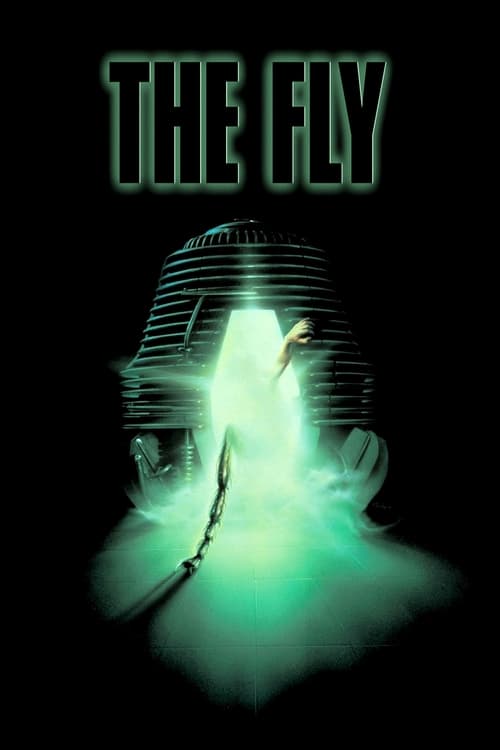
If Lynch provided the logic, David Cronenberg provided the language. Fargeat has said The Fly was "number one" — and it's in every frame of The Substance's transformation sequences. But the specific inheritance is precise: Cronenberg's innovation was making you watch a slow, irreversible bodily disintegration driven by the protagonist's own choices. That's the exact architecture Fargeat built for Elisabeth.
Both Seth Brundle and Elisabeth begin with a hubristic act of self-modification and end as tragic figures trapped in collapsing bodies.
Where Cronenberg shot his horror in moody, shadowed interiors, Fargeat made the radical call to stage her prosthetic transformations under flat, white, clinical light. Her SFX designer Pierre Olivier Persin asked if they'd be using atmospheric shadows in the bathroom. "Yeah, yeah, yeah," she told him. Cut to white tiles. Where Cronenberg offered darkness as shelter, Fargeat forces you to see every seam, every vein, with nowhere to look away.
The Geometry of Dread
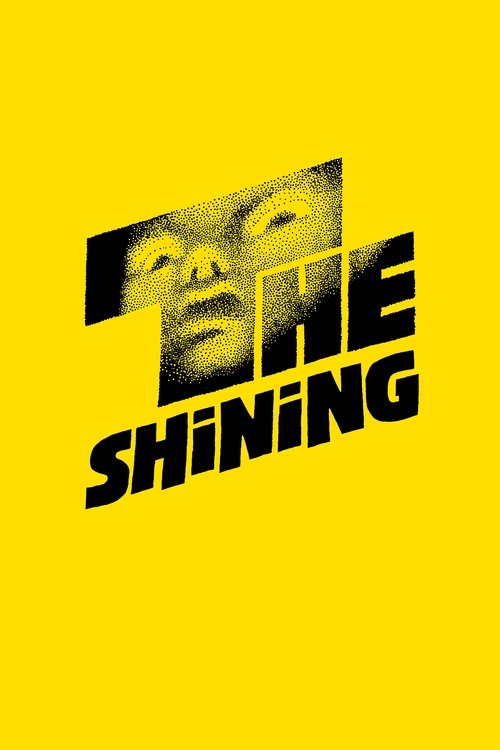
Kubrick is everywhere in The Substance — operating across two films simultaneously.
From The Shining, Fargeat took the logic of a beautiful space that conceals malevolence. The television studio where Elisabeth works is the Overlook Hotel: geometric carpet patterns, symmetrically filmed corridors, red-and-white color schemes. Fargeat uses Kubrick's haunted-house grammar to say something specific — Hollywood itself is a place designed to look like paradise while destroying the people inside it.
From 2001, she took something more technical and more personal. The Stargate sequence is the blueprint for Elisabeth's first transformation: the vortex of color and light when she injects the activator. But Fargeat didn't just copy the visual. She and her DP Benjamin Kračun invented custom tube-based camera rigs to achieve the effect practically. "To me, that's the sequence I'm the most proud of, because we invented our own tools." The use of Also sprach Zarathustra in the climax seals it — a grotesque devolution where Kubrick showed evolutionary ascent.
Kubrick also taught her to work with minimal dialogue, to center subjects in the frame, to let production design carry meaning without exposition. As she put it, "you can create powerful emotions just with how you deal with the environment" — and 2001 was her proof.
The Monster You Cry For
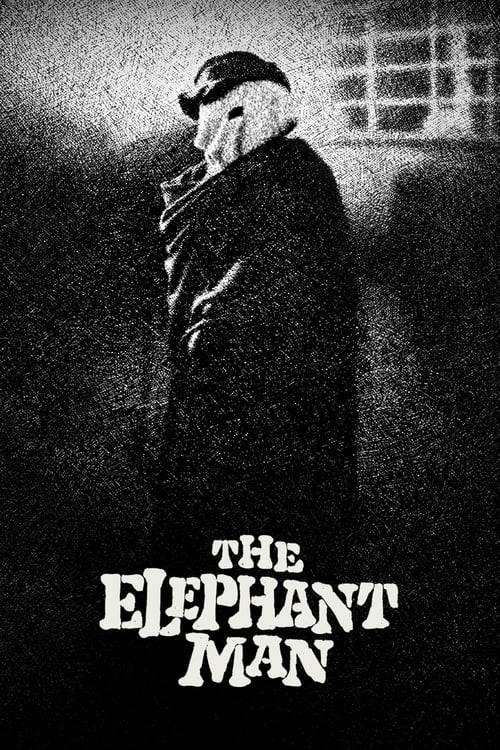
Here's the influence nobody's writing about: The Elephant Man is the emotional key to the entire film.
When Fargeat and Persin sat down to design Monstro Elisasue — the creature Elisabeth and Sue become in the finale — Fargeat's instruction was simple: "the elephant woman." Not a villain. Not a monster to fear. A monstrous figure for which, as she said, "we're going to have so much empathy."
Persin designed Monstro with ballerina feet. A creature with impossible, grotesque proportions, moving with the lightness of a dancer. Grace inside grotesqueness. That's John Merrick. The film's most devastating moment — Monstro crying "It's me!" to a screaming audience — is a direct echo of "I am not an animal." Lynch's lesson, absorbed and literalized.
The historical connection is almost too perfect: The Elephant Man sparked the creation of the Academy's makeup category in 1981. The Substance won that same Oscar 44 years later.
The Addiction Grammar
The rapid-fire montages of Elisabeth preparing the Substance — dissolving tablets, puncturing needles, physiological effects in extreme close-up with augmented sound — didn't come from Cronenberg. They came from Darren Aronofsky.
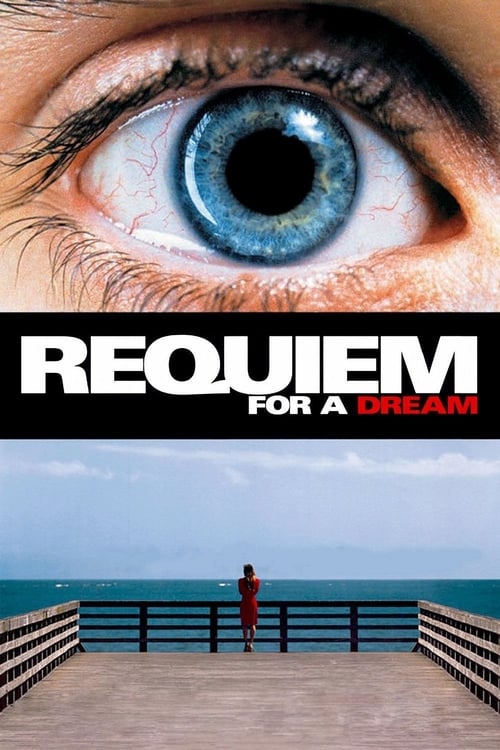
Requiem for a Dream's hip-hop montages of drug preparation are the direct ancestor of The Substance's beauty rituals. Fargeat said she "related so much to the crazy obsessiveness of wanting to make yourself better and ending up making yourself worse." The deeper connection is Ellen Burstyn's Sara Goldfarb: a woman past her cultural prime, driven to self-destruction by the gap between how she's seen and how she wants to be seen, using something that promises transformation and delivers ruin.
The SFX team made this literal. They gave each transformation stage an internal codename. The first stage of Elisabeth's deterioration — where half her body mottles and sags — was called "Requiem." Not a metaphor. A code name. The influence traveled from Fargeat's writing process all the way into the practical production pipeline.
The Haunted Hotel of Hollywood
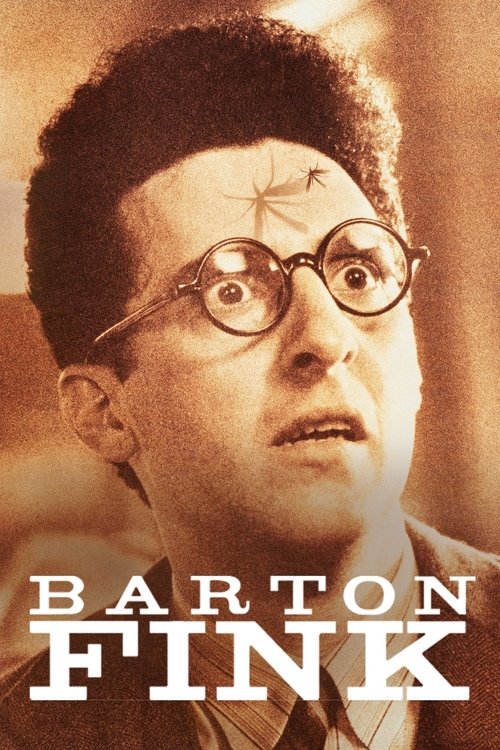
Barton Fink gave Fargeat two things: a way to depict Hollywood power and a way to make walls mean something.
The Coens' expressionist logic — where physical spaces externalize psychological states, where Hotel Earle's wallpaper literally peels as Barton's mind deteriorates — is the direct ancestor of Elisabeth's apartment transformation. Production designer Stanislas Reydellet designed the living room to shift in color, lighting, and lens choice across the film's timeline. The apartment darkens. The view of Hollywood turns menacing. The space collapses around her.
The other inheritance is Dennis Quaid's Harvey. He's named after Weinstein, but he was designed after Michael Lerner's Jack Lipnick: a Hollywood executive rendered through cartoonish wide-angle distortion until his power feels simultaneously absurd and absolute. As Fargeat described it, she was drawn to "this kind of excessive power that makes you think you're allowed to dominate the world and crush people." She shoots Harvey's face from below with a wide lens until he looks like a gargoyle. Lipnick would recognize the technique.
Cinderella, But the Pumpkin Wins
The fairy tale structure underneath The Substance is hiding in plain sight. Sue's seven-day cycles are Cinderella's ball: a transformation into perfection with a hard deadline. The New Year's Eve sequence makes it explicit — blue dress, midnight, catastrophic consequences for staying too long.
"Cinderella and fairy tales in general," Fargeat said, deal "exactly with the fact that there are parts of us we have to hide." The witch/princess binary maps directly onto Elisabeth/Sue — except Fargeat's innovation is revealing they're the same person. The fairy tale's punishment for vanity turned inward.
She also studied Disney's representations of the monstrous feminine — specifically what she called "the dancing elephants in their ballet shoes" — which fed directly into Monstro's design. A creature moving on delicate feet. The ballgown that became the ballgown that killed her.
Blood Is the Punchline
Fargeat has said it herself: "The blood thing — it's impossible not to think about Carrie." The climactic theater sequence mirrors De Palma's structure with precision: a vulnerable protagonist presented to an audience in a moment of supposed triumph, only for everything to collapse into chaos and gore.
The 21,000 liters of fake blood deployed in the finale — applied via fire hoses in a single take — creates a biblical deluge. But where De Palma's blood is externalized rage, Fargeat's is something different: the final implosion of a life spent trying to be beautiful enough to deserve to exist. The theater becomes the prom. Monstro becomes Carrie. And the audience, complicit in the spectacle they came to watch, gets exactly what they paid for.
What the Map Reveals
Look at everything here and a single principle emerges: Fargeat doesn't borrow images — she borrows philosophies. From Kubrick, a philosophy of space. From Lynch, a philosophy of the unconscious. From Cronenberg, a philosophy of flesh. From Lynch again, for the monster — a philosophy of empathy.
What makes The Substance strange and new is that she combined them without resolution. The horror is Cronenberg's, but the emotion is Lynch's. The architecture is Kubrick's, but the satire is the Coens'. The fairy tale is Cinderella's, but the witch and the princess are the same person.
If you want to understand how she thinks before you watch the film: start with The Elephant Man. Because once you know that Fargeat looked at a creature she designed to horrify audiences and asked her team to give it the feet of a ballerina — you'll watch everything differently.