Jane Schoenbrun Built Camp Miasma Out of Movies That Called Them a Monster
Jane Schoenbrun
Nine years old, wrong theater. The family had come for James and the Giant Peach and somehow ended up in front of Scream. Schoenbrun was certain that thirty seconds of it would ruin them forever.
Six months later it was their favorite movie. "It was that fear-desire combo that was so potent for me," as they put it.
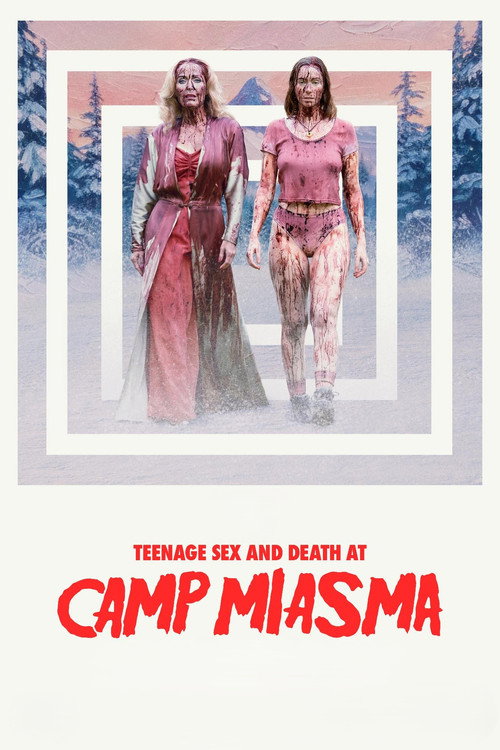
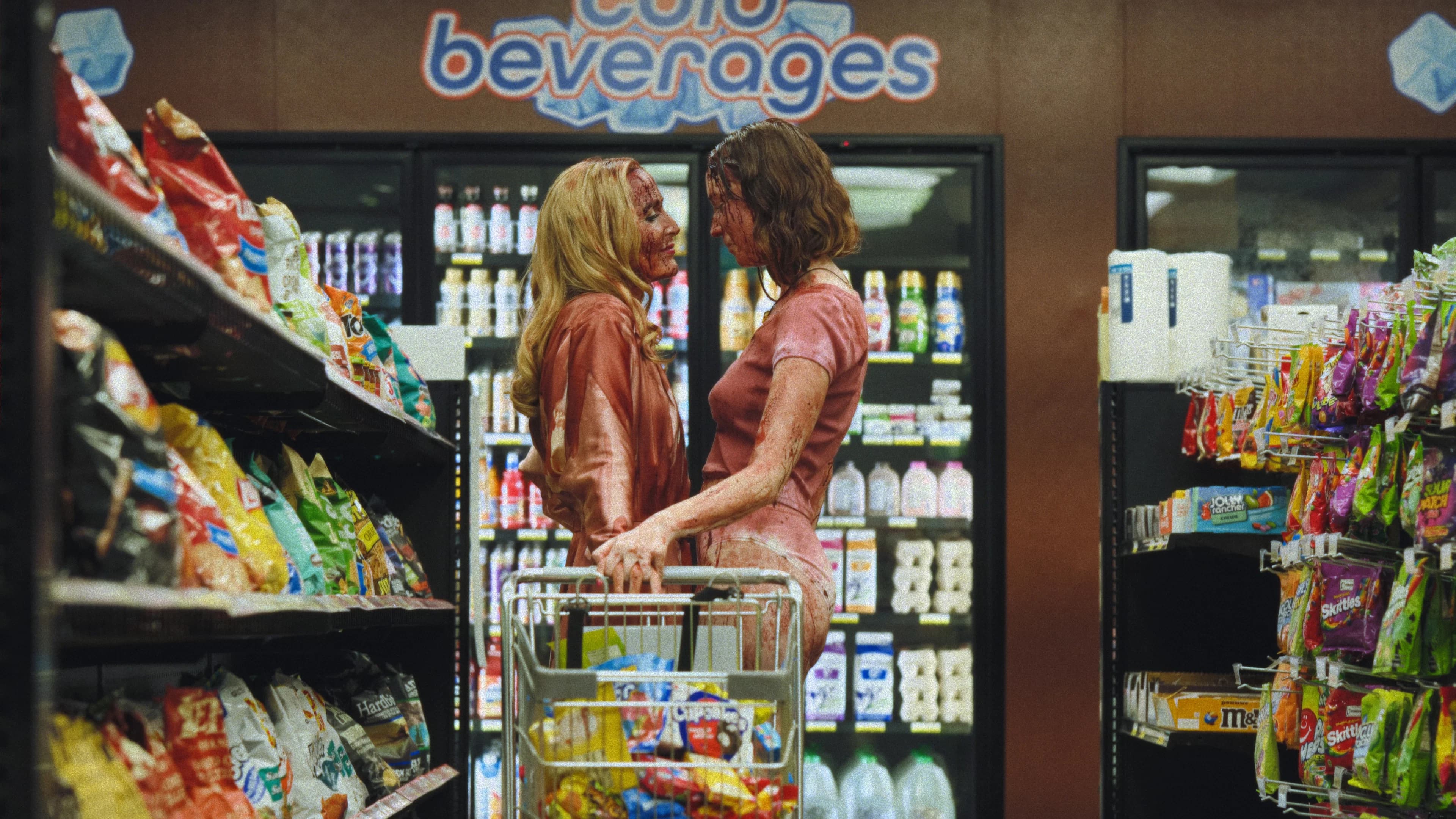
Thirty years on, that combo is the entire engine of Teenage Sex and Death at Camp Miasma: a movie where a filmmaker takes on the reboot of the slasher franchise that formed her, and discovers the franchise wants something from her too. Here is what fed it.
The trope Hitchcock didn't inherit
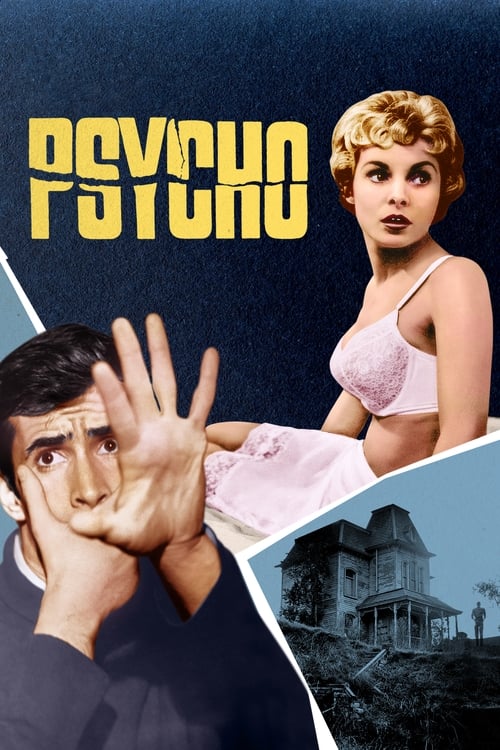
Schoenbrun's reading of Psycho is blunter than most: Hitchcock didn't pick up the gender-deviant killer, he manufactured her. "Not using it, inventing it," as they put it. And the shower scene, in their account, "so clearly and intentionally confuses desire and horror." The knife and the naked body arrive in the same edit, fused for good.
What Schoenbrun took is the fusion itself, then flipped the vantage point. Kris, the director at the center of Camp Miasma, made her name on a debut described in the film as Psycho from the perspective of the shower curtain. That's the whole thesis in one joke: stop identifying with Norman or Marion and identify with the thing hanging between them. Watch the film again and count how rarely the blade actually touches skin. The violence lives almost entirely in the cutting, which is exactly what Kris built a career on noticing.
The camera that kills, and the movie that ended a career
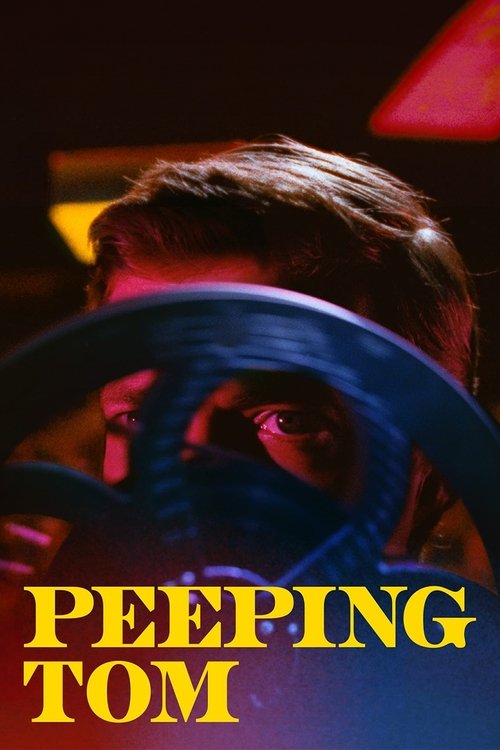
Michael Powell's Peeping Tom sits in the middle of a lineage Schoenbrun traces out loud, running from the Psycho shower "to Peeping Tom to Dressed to Kill to Michael Myers and Leatherface, who dresses as a woman in the fourth Texas Chainsaw." Their verdict on the whole family tree: "There's still something pretty fucking gay about a lot of them."
Peeping Tom is the one that makes the argument physical. Mark's camera is the murder weapon, with a mirror rigged so his victims watch their own faces as they die. Look at Little Death and you're looking at the same idea rebuilt in vinyl: a spear that stands like a tripod, and eyes framed by a vent in the mask as if you were peering through a projection booth window. Powell was essentially exiled from British cinema for making it. It remains the most honest movie ever made about what a camera is for.
What the breathing does
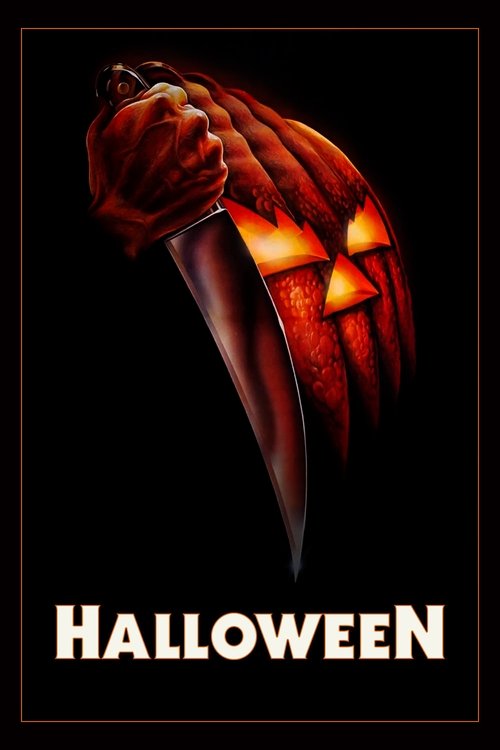
Everyone remembers the mask. Schoenbrun went for the sound. "The Michael Myers breathing point-of-view shot in Halloween was a key one," they said. "I took the libidinal ideas beneath it really seriously."
That's a specific technical inheritance: not the stalking, but the audible presence of a body you can't see, which makes the audience complicit in a way a wide shot never can. Carpenter dips in and out of it. Camp Miasma keeps you locked inside long enough that it stops feeling like a trick and starts feeling like an offer. Go back to the Haddonfield opening, which does the whole thing in one unbroken shot. The scariest part of it is how calm the camera is.
Asking for worse blood
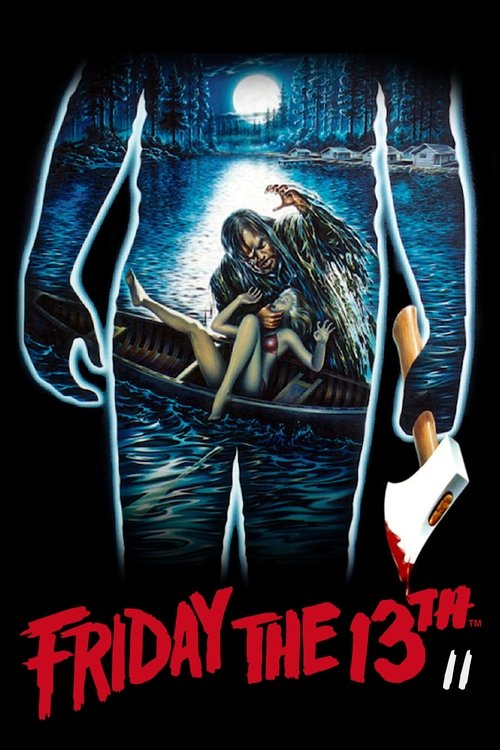
Schoenbrun grew up on these franchises "at way too young an age," and the film-within-the-film is built with the precision of someone who knows exactly which tier of knockoff it belongs to. The target: "a scene straight out of the eighth rip-off of Friday the 13th that went straight to video in 1987." Getting there took negotiation. "I actually had to keep asking for shittier and shittier blood."
If you want the single sequel to start with, take Part 2. It's where the mythology gets built out of nothing, where the burlap sack with one eyehole appears, and where a spear goes through a couple in bed, the kill that Camp Miasma eventually hands back to the person it was invented to punish. Miner's sequel is scrappier and stranger than the original, and it has the wheelchair scene people still argue about.
The patron saint nobody expects
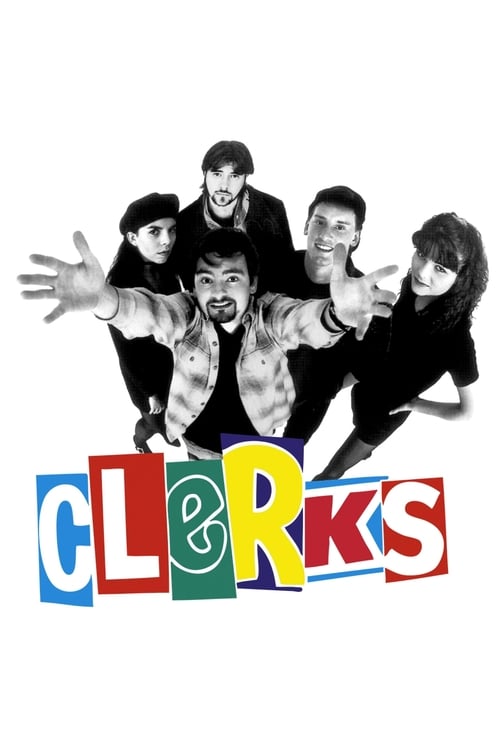
Here's the one that reorders everything: "I grew up idolizing Kevin Smith. There's definitely some Jay and Silent Bob in this movie."
You can hear it in every scene where Kris and Billy are just hanging out: the junk food, the weed, the riffing about gummy candy that goes on three beats too long. That slacker rhythm is what makes the second half land, because you've been lulled into a hangout movie before anyone picks up a spear. Smith's debut is still the purest version of it, a black-and-white film about nothing where two guys argue about the independent contractors killed on the second Death Star.
Gillian Anderson is playing a woman who never left the set
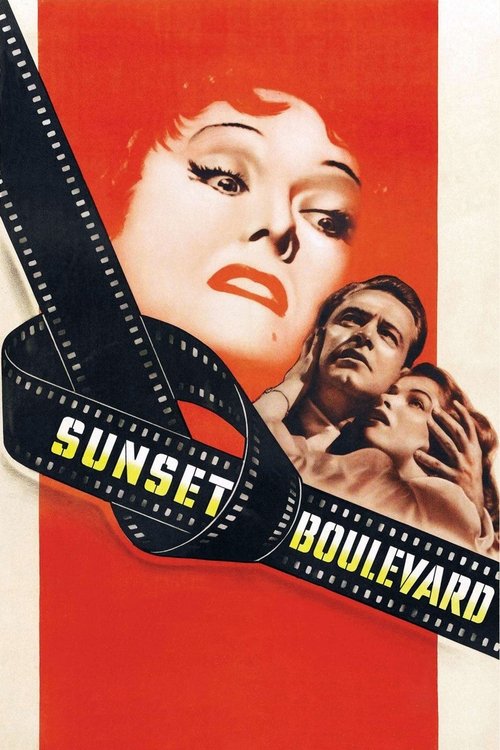
Billy Presley lives in the camp where she was once a star, in a winter that seems to belong to her rather than the calendar. Eric Yue, who shot the film, called the whole Kris-and-Billy strand "the surreal Sunset Blvd.-inspired romance," set in "the cozy winter confines of Billy's dreamlike world."
What comes across from Wilder isn't the plot, it's the power dynamic: a young creative arrives to use a faded icon and gets absorbed into her house instead. Anderson plays it with the drawl and the stillness of somebody who has rehearsed her own comeback for decades. Wilder's original still has the eeriest scene of its kind, the bridge game with the ghosts of silent cinema sitting around the table.
The pitch that shouldn't work
Schoenbrun described the film as Portrait of a Lady on Fire set in a Friday the 13th sequel, which sounds like a joke until you watch the love scene. The power fails in the scene, so Yue leaned on flame to carry it: "One of the films we watched was Portrait of a Lady on Fire, where it's pre-electricity. So a lot of it was candlelight and fire."
Sciamma's film is about two women, one looking and one being looked at, until the two positions dissolve. That exchange is what Camp Miasma is actually reaching for underneath all the gore, and it's why Billy's line about fairness lands so hard: you've already seen me. Go for the last shot. It holds on a face for an unreasonable length of time and earns every second.
Where the snow came from
The winter in Camp Miasma doesn't look like weather. It looks painted, and it is: the crew reverse-engineered glass matte painting from books and archival images because almost nobody alive still does it.
For the snow itself, Yue reached for something more surprising: to get it looking hyper-expressive, he and Schoenbrun turned to "the Japanese ghost anthology Kwaidan." Then the color, which is my favorite fact about this movie. It "was inspired by the Donkey Kong video game," as Yue put it. "We liked the shade of blue on one of the levels." Kobayashi's film is where the artificial sky becomes an emotional instrument, painted skies with eyes staring out of them. Nothing has looked like it since.
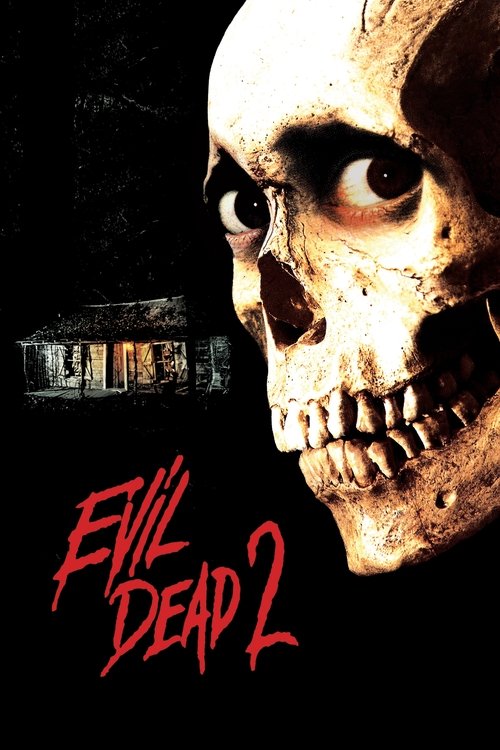
Trying to bottle what Evil Dead II did to a ten-year-old
At the midpoint, the degraded print falls away and the film becomes an unbroken take: Little Death rising and moving through the camp like a dancer while Counting Crows plays. Yue's brief from Schoenbrun was that it "should feel like a Michael Bay movie," the one stretch with no filth on the lens. Schoenbrun called it the most ambitious thing they had attempted, after hundreds of hours of prep.
The actual target was older and simpler: "It's supposed to feel like it felt for me as a ten-year-old to watch Evil Dead II." Raimi's sequel is where horror stopped apologizing for being fun: a man fighting his own hand, a room that laughs at him, a camera that behaves like an excited animal. It's the tonal permission slip for everything Camp Miasma does after the switch.
The Camp
Look at the whole map and one thing links almost all of it. Every film here either made someone like Schoenbrun into the monster, or is about the violence of watching. Psycho, Peeping Tom, Halloween, Friday the 13th: these are movies that pathologized, punished, and peered. Schoenbrun's move isn't to reject them. It's to keep the charge and reassign who holds the camera.
Start with Peeping Tom. Sixty-odd years on it's still the film that makes you feel caught watching it, and once you've felt that, Little Death's spear stops looking like a weapon and starts looking like equipment.