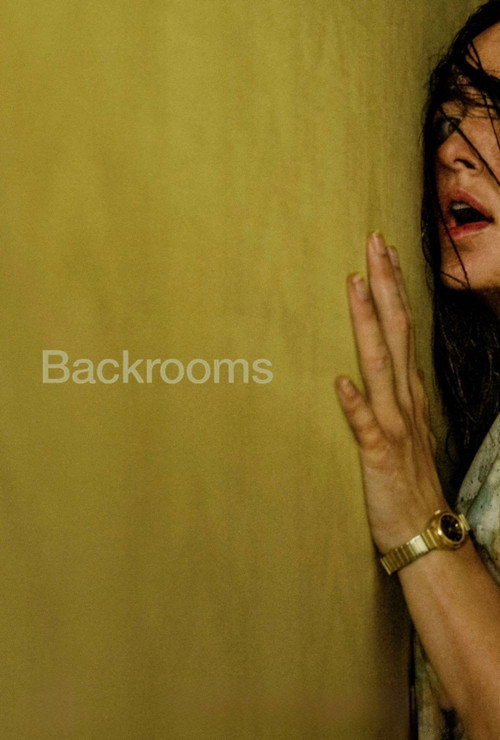
Kane Parsons rented a theater for 2001 the week before shooting Backrooms
Kane Parsons
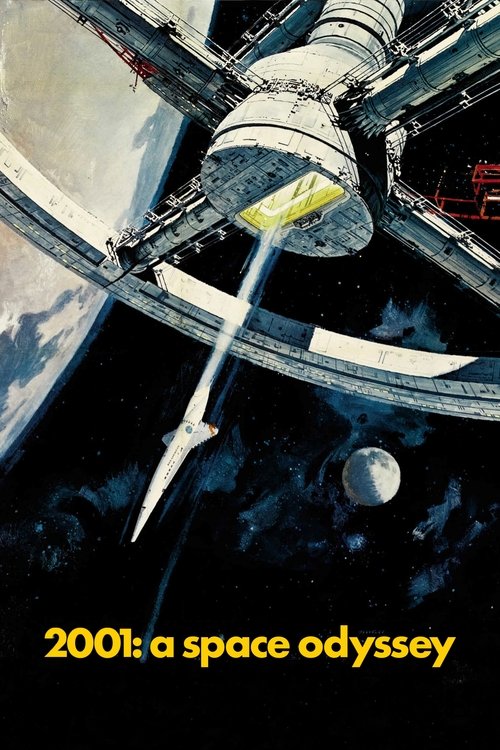
During prep in Vancouver, Kane Parsons rented out a movie theater. He brought his cast and crew. They sat in the dark and watched 2001: A Space Odyssey.
He's twenty years old. He's the youngest director in A24's history. He started making the Backrooms shorts in his bedroom on Blender three years ago, when he was a teenager, and the videos blew up. Most people who know his name probably know him as a YouTube kid who got lucky with a meme.
He's not. Backrooms is a movie made by someone who reads Kubrick the way other directors read Stephen King, and the references hiding inside the film go a lot further than a single Kubrickian afternoon. Here's the watchlist.
The Overlook is the actual building
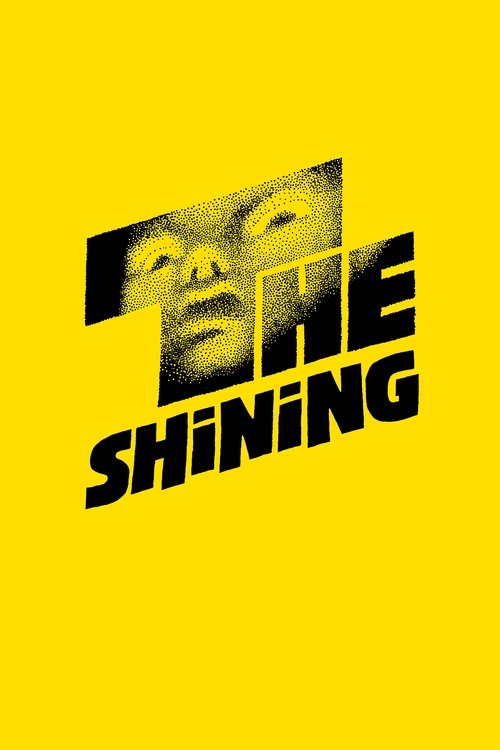
2001 was the pre-game ritual. The actual blueprint is The Shining. Watch the Backrooms trailer once and try to count the shots that aren't doing what Kubrick did first: the long Steadicam push down a corridor, patterned carpet flattened by an unmoving camera, geometry rendered as a kind of malevolent intelligence. Parsons isn't quoting The Shining. He's living inside its grammar.
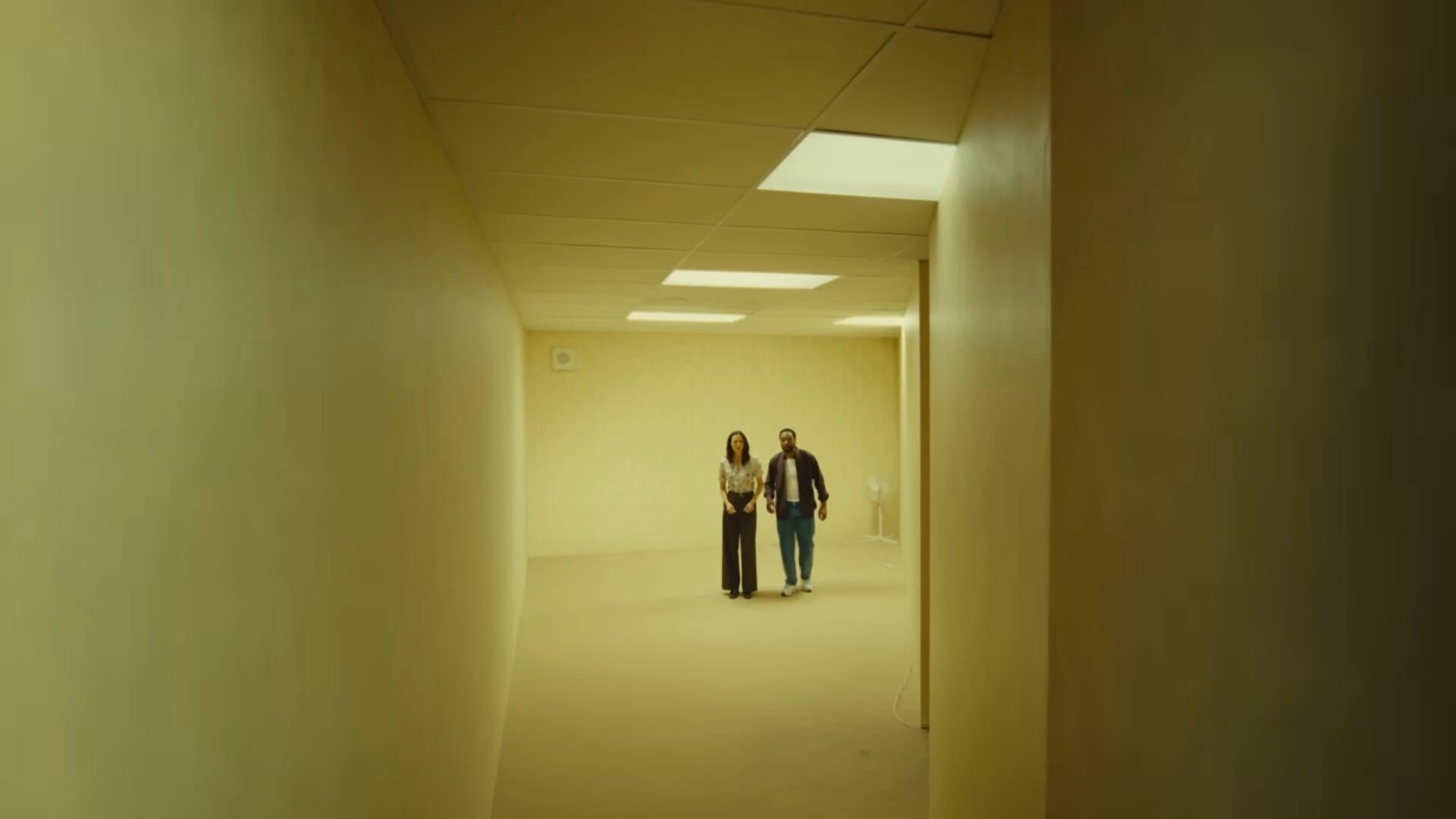
What he took, specifically, is a Kubrick rule: never explain the architecture. The Overlook never tells you why it's hungry. Parsons has talked about Backrooms preying on "the human brain's ability to map spaces and understand them". It's The Shining's thesis stated in 2026 vocabulary. The set he built in Vancouver was thirty thousand square feet. People got lost on it. He wanted them to.
If you've never sat with the Overlook in a dark room with the volume up, this is the one to fix first. Watch the way the camera glides — ankle-high, unblinking — behind Danny's tricycle as the wheels go from carpet to wood and back. Backrooms is what happens when you see that shot at twelve and never quite recover.
He tracked down the photograph
In 2019, somebody posted a photo on 4chan. Yellow walls, fluorescent buzz, weirdly soft floor. The caption invented a folklore: if you're not careful and you no-clip out of reality in the wrong areas, you'll end up here. The post got reposted a million times. Then it became a wiki, then a video game, then Parsons.
What's wild is what Parsons did with the photo. The image — long identified by the internet as a half-finished room in a Wisconsin furniture store — got rebuilt as a real set, in a real basement, owned by a real character. In the film, Chiwetel Ejiofor's character runs a furniture store called Cap'n Clark's Ottoman Empire. The basement is the portal. The photograph is now a doorway in a movie about itself.
That's the kind of move that tells you what kind of filmmaker Parsons is. As he put it, the rooms he loves are "spaces that are just there to conjoin other spaces" — gas stations, storage rooms, dead malls. He didn't just adapt the meme. He closed the circle. The yellow wallpaper took fifty test paint jobs to get right on set.
The video game that ate his life
As a kid, Parsons fell hard for Portal 2. He has talked about pressing his avatar's ear to the wall in-game, just listening. As he put it, it took over his life. "It got me thinking about the feelings that spaces can evoke in a person."
What he took from Portal 2 isn't the gameplay. It's the conviction that empty architecture can be the protagonist of a horror story. The Aperture Science test chambers are clean, well-lit, almost cheerful — and yet they are, unmistakably, a haunted house. Backrooms runs on the same logic. There's almost no monster on screen for most of the film. The walls are doing the work.

The other thing he took: the word "no-clip." It's a glitch term — when a video game character passes through a wall it shouldn't be able to pass through. The 4chan post used it. The film uses it. Parsons preserved it. Play through the Aperture facility and notice how empty it always feels. The corridors. The hum. The sense that the architecture is wrong on purpose. Parsons noticed all of it as a kid.
He walked Silent Hill before he made it
When he was thirteen, Parsons broke into the Millennium Biltmore in downtown Los Angeles. He wasn't supposed to be there. He found a stairwell and started going down. Each landing was identical to the last, except progressively more dilapidated, progressively more colorless. By the time he reached the bottom, as he later put it, the space had transformed into "a nightmarish area out of Silent Hill or one of my own films."
That sentence is the whole article in compressed form. Parsons' obsession with descending architecture, with built environments that reveal themselves to be sicker the deeper you go, came from a real stairwell in a real building. He walked Silent Hill before he made it.
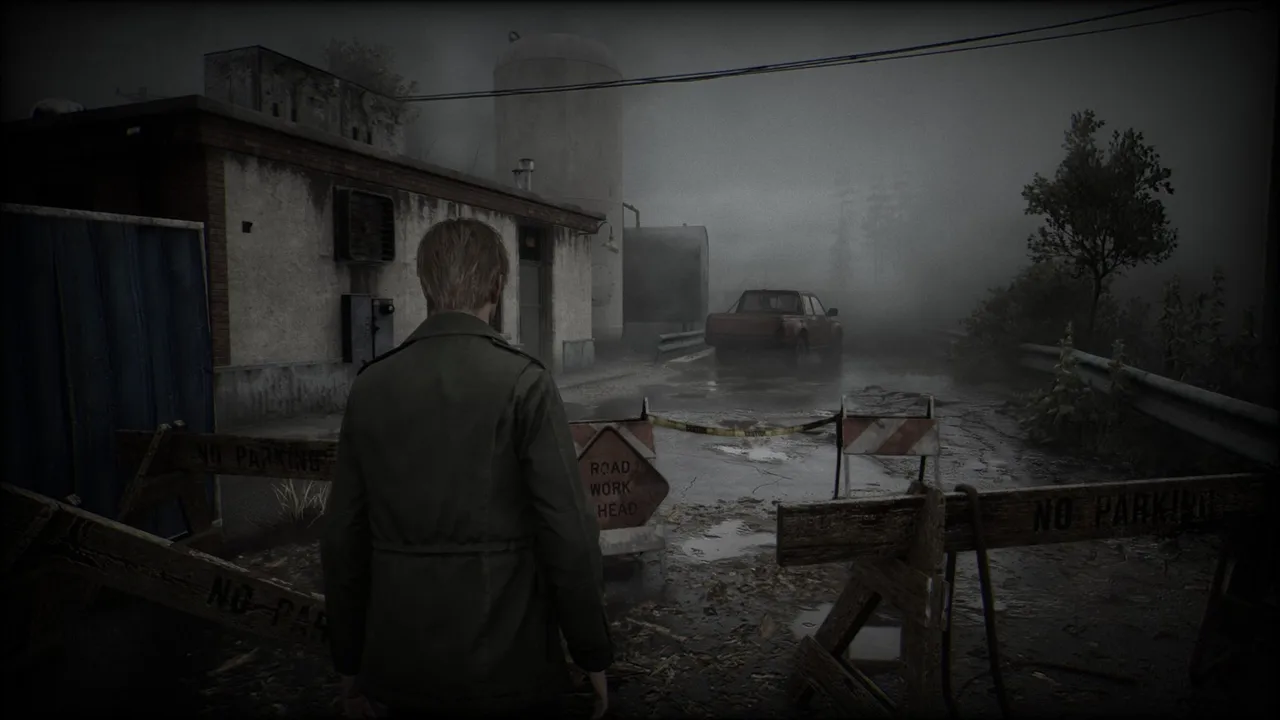
Silent Hill 2 is the one most people send you to first, and they're right. It's the strangest, saddest, most Lynchian thing the form has ever produced. The fog rolls in. James Sunderland reads a letter from his dead wife. You can hear the town breathing through the radio. Watch the long-take corridor sequences in Backrooms and you'll feel Parsons leaning on every lesson that game taught him.
Found footage as a kind of lying
Found footage is the form. Backrooms isn't strictly a found-footage movie — there's a wider, conventionally-shot frame around it — but the camcorder POV is the engine. The sequences shot through Clark's video camera are the parts where the film is most itself.
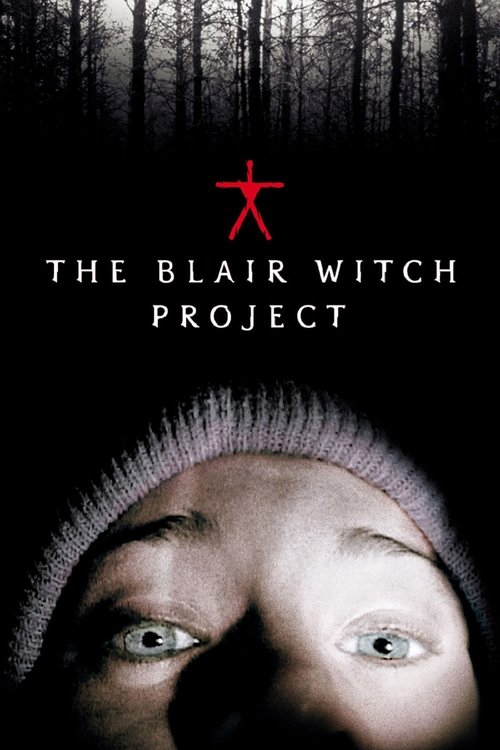
Parsons has talked about the Blair Witch fugue — that handheld, found-footage panic — as one of the reference points for the shorts. What he took from it isn't the shaky-cam thing everyone parodies. It's the conviction that withholding is a special effect. Blair Witch never shows the witch. The camera is constantly turning the wrong way. You see what the kid in the woods sees, which is barely anything, and somehow you're more terrified than if Heather had filmed an actual ghoul.
As Parsons put it, the analog 1990s setting in Backrooms "goes a long way in selling that quote-unquote, 'liminal feeling'" — a contemporary setting would mean someone could just look the place up online. The film and Blair Witch run on the same engine. Make the texture feel real. Withhold everything else.
The free YouTube series that taught him grammar
If you don't know analog horror as a genre yet, Local 58 is where to start. It's a YouTube series by a guy named Kris Straub, made up of corrupted television broadcasts from a fictional Pennsylvania station. There's an emergency message from "the Department of Defense" instructing you not to look at the moon under any circumstances. There's a children's program that turns wrong in ways you have to see. Each video is between three and ten minutes. The whole thing is free.
Local 58 is to Parsons what Tarantino's video store was to Tarantino. He grew up inside the genre. As he once put it, "the internet has filled the space in my life where Hollywood would be." Mandela Catalogue creator Alex Kister is a close friend of his. The 1990 setting in Backrooms — there's a CCTV monitor in the trailer time-stamped June 29, 1990 — is pure Local 58 grammar. Corrupted broadcast as primary text.
Watch the whole Local 58 run in an afternoon. Then go to Mandela Catalogue. Then come back to Backrooms and notice how much of the film's vocabulary is borrowed from things made for free, by kids, on YouTube, for the love of being scared.
The novel nobody can film
Mark Z. Danielewski's House of Leaves came out in 2000. It's about a house that is bigger on the inside than the outside, documented through a found film called The Navidson Record, framed inside a manuscript by a blind man, annotated by a tattoo-shop apprentice who is losing his mind. Hollywood has been trying to film it for two decades. Danielewski has said no every time.
Parsons has never publicly named the book. He doesn't have to. Backrooms is essentially the House of Leaves movie that doesn't exist. Renate Reinsve's therapist studying her patient's tapes is Zampanò studying Navidson's footage. The architecture growing on the inside is the entire conceit. Even Parsons' framing of the Backrooms as "purgatories we build for ourselves" reads like one of Johnny Truant's footnotes.
Read the book first if you can. The opening chapter — the family realizes the hallway in their living room is a quarter-inch longer than it should be — is the moment American horror fiction figured out what Parsons is doing. Bigger on the inside. Always.
The pattern
Pull back and look at the whole map. Kubrick and the Overlook. A photo posted to 4chan in 2019. A video game his parents got him when he was a kid. A hotel he wasn't supposed to break into. A YouTube series his friend makes. A novel nobody can adapt.
What links them? Architecture as antagonist. The conviction that a room can be the villain of a story if you stare at it long enough. Parsons doesn't make horror movies about ghosts. He makes horror movies about geometry. Every single thing on this list does the same thing.
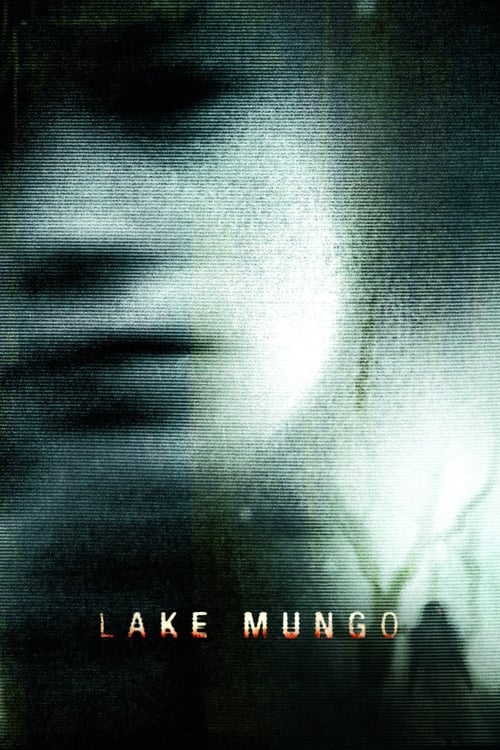
If you only watch one of these before going to Backrooms, watch Lake Mungo. It's an Australian found-footage movie from 2008 about a family investigating their daughter's disappearance through home video. There's no monster. The dread builds entirely through still photographs and security tapes that don't show what they should. It's the closest emotional cousin to what Parsons is doing — quiet, sustained, devastating. Park your assumptions at the door and let it work on you.