The Secret Map behind the acclaimed Arco
Ugo Bienvenu
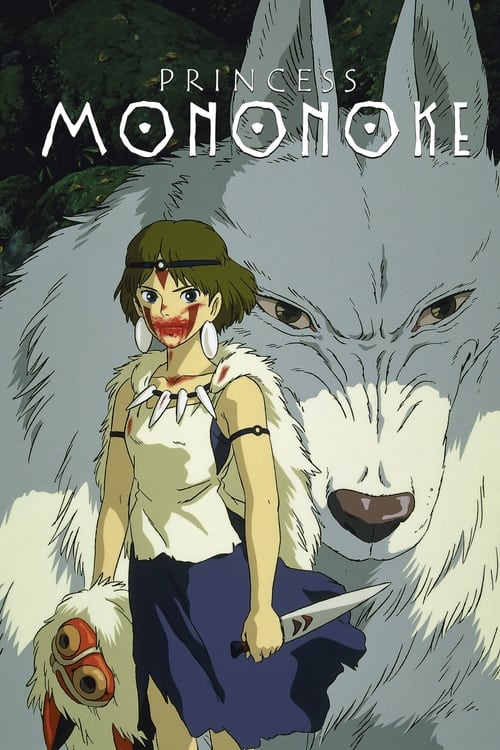
When Ugo Bienvenu was fourteen, he asked for one thing for his birthday: the DVD of Princess Mononoke. He put the disc in the player and describes what happened next as "interstellar" — the film that tipped him from drawing obsessively into wanting to make cinema. Two decades later, critics at Cannes would call his debut feature Arco "the best Hayao Miyazaki movie not directed by Miyazaki." Which is flattering, and partly right, and also misses everything else going on under the hood.
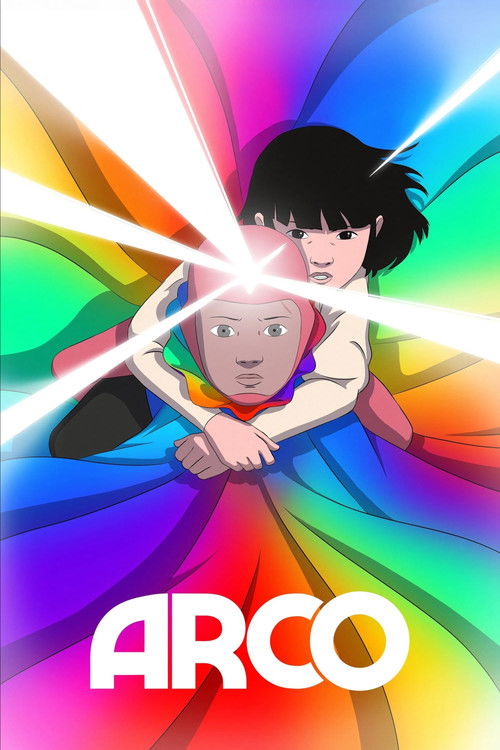
Because Arco — a hand-drawn, candy-colored time-travel fable about two kids, a chrome robot, and a planet we haven't quite destroyed yet — is built from a much stranger blueprint than "French Ghibli." It runs through Dragon Ball Z and Grimm fairy tales, Philip K. Dick and Coca-Cola ads, Tarkovsky and American suburbia. What holds all of it together is one of the most deliberate creative bets in recent animation: Bienvenu started making this film during Covid, looked at a genre addicted to doom, and decided that imagining a future worth living in might be the most radical thing a filmmaker could do. "If we want better things to happen," as he puts it, "we have to imagine them first."
Here's where that imagination comes from.
The DVD That Rewired Everything
Princess Mononoke didn't just impress Bienvenu — it rearranged his brain. He talks about Miyazaki the way some directors talk about a first drug experience: total, irreversible, formative. And the specific thing he took wasn't the lush animation or the environmental themes (though those stuck too). It was the refusal to split the world into heroes and villains.
When French financiers balked at Arco having no conventional antagonist, Bienvenu pushed back by invoking Miyazaki directly: like him, he wanted "the world we live in" to be the antagonist, not a cackling overlord. That decision shapes the entire film. Iris's 2075 isn't threatened by a supervillain — it's threatened by complacency, by domes that shield people from consequences, by adults who stopped looking outside. The children's friendship isn't forged against a Dark Lord but against the slow violence of a world that chose comfort over responsibility.
Even the score carries the debt. Composer Arnaud Toulon's orchestral writing — lyrical strings over gentle electronics, that soaring "Rainbows" cue — has been compared to Joe Hisaishi's Ghibli work, blending orchestral flourishes with delicate electronic touches while asserting its own contemporary identity. It's not imitation; it's the same conviction that animation deserves music that takes the audience's emotions as seriously as any live-action drama.
Drawing for the Sacred Monster
Bienvenu didn't just grow up watching Moebius — he drew for the relaunched Métal Hurlant. That's not influence at a distance. That's apprenticeship in the family workshop.
You can see it immediately in Arco's world design: the metallic trees and cloud platforms of the year 2932, the rounded flying machines, the stripped-down landscapes with vast negative space and soft gradients. These aren't CG-era constructions. They look like they stepped off a Moebius plate — clear-line, retro-futurist, almost diagrammatic. In 2075, Iris's domes and flood barriers feel like a continuation of what Bienvenu calls "decorative futurism": naïve, optimistic curves closer to 1950s French SF covers than to techno-gloom.
But the deeper connection is narrative. The chrome robot Mikki — Iris's guardian, moral mirror, and archivist of knowledge — first appeared in Bienvenu's graphic novel Préférence système, where a robot raises a human child on illicitly preserved data. Arco is that comic's universe migrated to cinema, not a film later spun off into tie-in books. One French critic drew the line even further back, connecting Arco's metaphysical layer to René Laloux's Les Maîtres du temps, which Moebius himself designed in 1982 — fragile children navigating cosmic time, guided by machines and absent adults. Bienvenu accepts the lineage with humility, calling Moebius and Miyazaki "two sacred monsters" whose level he'll "never reach."
The Moment Anything Became Possible
Age seven. Holiday at his grandparents' house. Dragon Ball Z comes on the television. Bienvenu had never seen anything like it — "it did not look like anything I knew" — and from that afternoon on, he couldn't stop drawing. What DBZ unlocked wasn't a style but a permission: the idea that drawing was a field "where everything was possible and nothing was wrong."
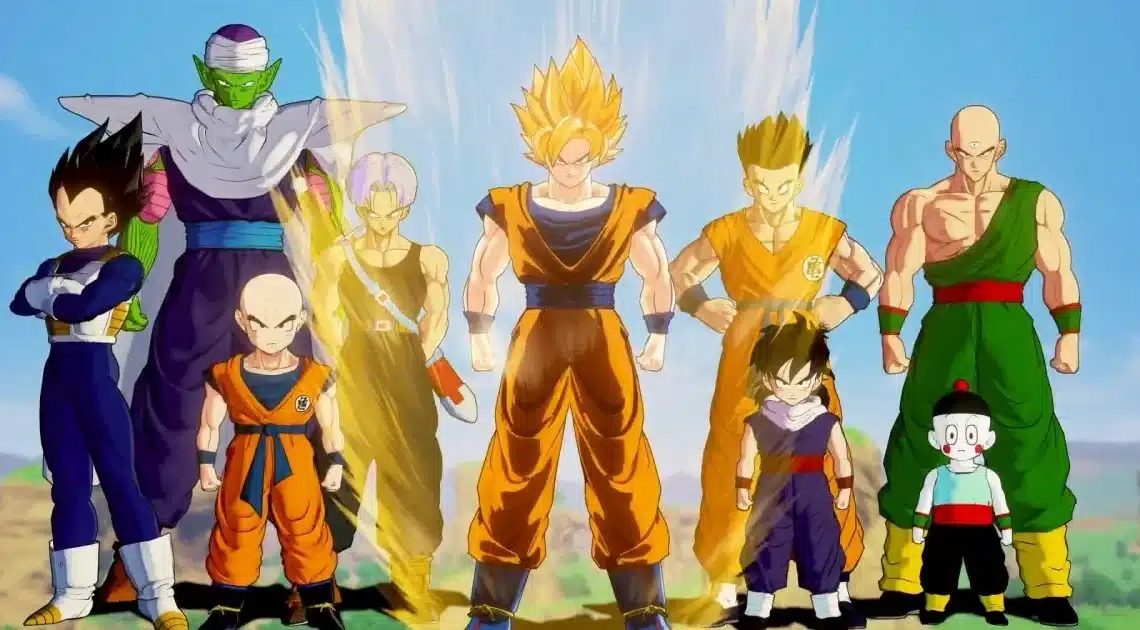
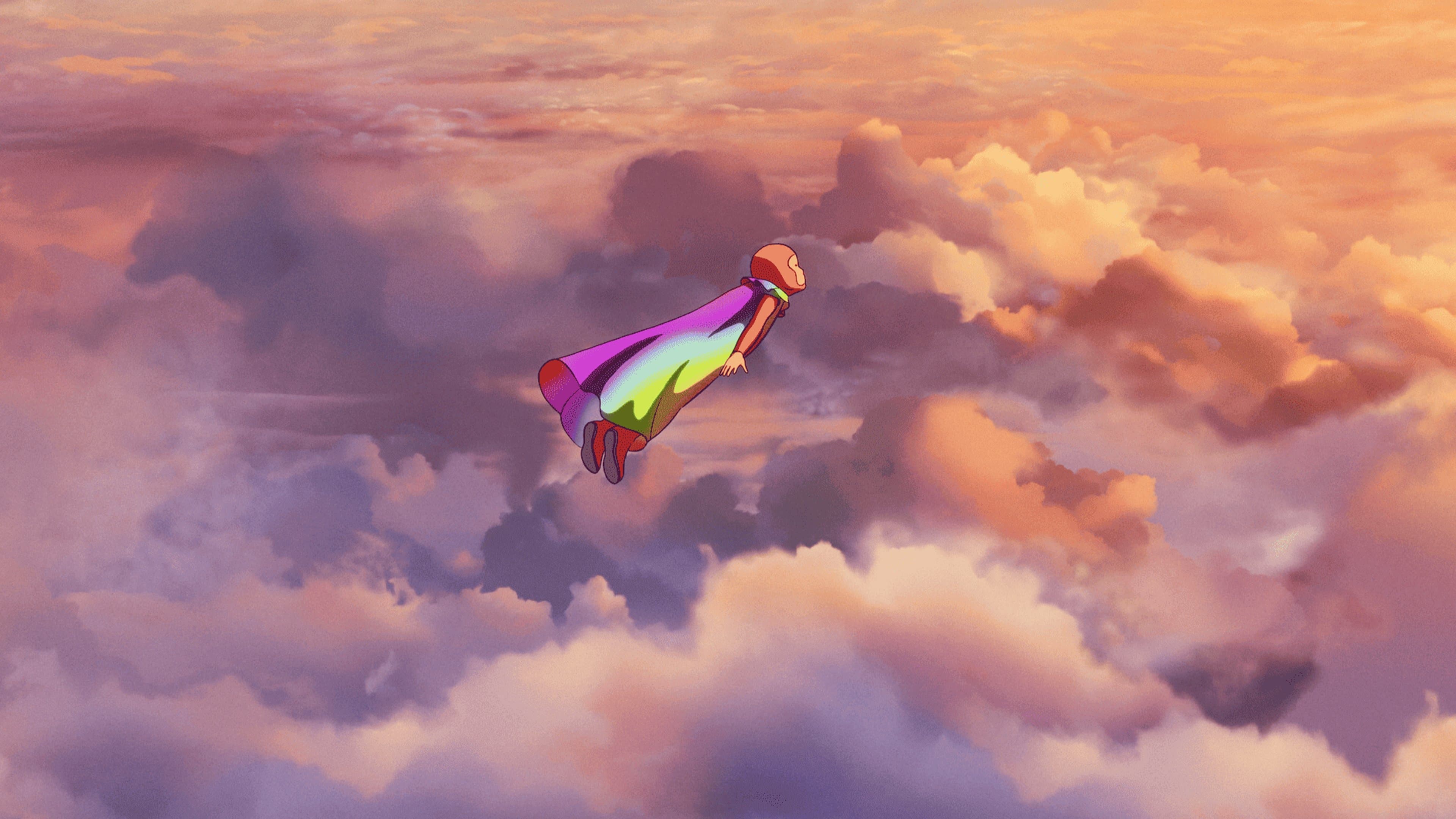
That permission is all over Arco's kinetic sequences. The opening flight — the boy launching himself off a cloud platform in his rainbow suit, free-falling with a sense of vertigo that owes as much to fighting-anime aerial battles as to European animation tradition. The rainbow trail slicing diagonally across the sky, sometimes zigzagging, sometimes looping, turns motion into graphic abstraction rather than merely realistic physics. But where DBZ escalates into endless combat, Bienvenu inverts it: Arco's "power" isn't fighting strength. It's the capacity to share knowledge and emotional resilience with Iris. Shōnen energy, channeled into quieter scenes of planning, drawing, and deciding.
Survival Training for the Climate Generation
Bienvenu keeps a very specific list of the stories that "prepared" him for life. Not inspired — prepared. Pinocchio's transformation into a donkey. Hansel and Gretel lost in the forest. Bambi's mother. He sees these not as entertainment but as survival manuals: "Pinocchio helped me in my life," he says. "If you screw up, you'll become a donkey… Tales like Hansel and Gretel prepare you for getting lost in the woods."
He wanted Arco to function the same way — as muscle training for children facing ecological collapse. That fairy-tale architecture is hiding in plain sight. Arco's set-pieces are textbook trials: the plunge from the sky and near-drowning, the night in the woods with strange birds, the inferno surrounding the school bubble. None of it is explained through climate science or time-travel mechanics. It's routed through how Iris and Arco feel — fear, wonder, guilt, courage — using the SF decor as a stage for emotional journeys, exactly the way classic tales used witches and talking animals to externalize inner dilemmas.
And the ending follows fairy-tale logic, not blockbuster logic. Arco doesn't defeat the climate crisis. He goes home. Iris stays behind in the damaged world and makes a vow. Seeds and rainbows. A promise, not a solution. Bienvenu says he doesn't want to "give lessons" — he wants to pose questions. That's the Grimm brothers talking through a French animator in 2025.
The Genre He Hated
Here's the twist: Bienvenu used to hate science fiction. Hated it — until he discovered Philip K. Dick.
What Dick showed him was that a science-fiction setting could be furniture, not the point. "The SF decor lets you focus on the characters," he says, "on what they're living through." You don't need to explain the gadget; you need to focus on what happens inside the world the gadget creates. Bienvenu even jokes that nobody understands how their smartphone or Wi-Fi works, yet we're comfortable using them — so insisting on quasi-scientific exposition in a movie would be dishonest.
Arco takes that principle and runs. The time-travel cloaks, the robot caregivers, the enclosed domes — they're givens, never puzzles. The mechanics of time travel are never spelled out. Instead, the narrative energy goes exactly where Dick would put it: What makes us human? What happens when AI mediates memory and care? How does technology shape presence and absence in families? Bienvenu previously explored these questions in his graphic novel Préférence système. In Arco, he scales them up to a planetary rescue mission — which is, in effect, a massive archive recovery. Salvaging fragments of a lost world before they're overwritten. That's pure PKD, dressed in rainbow suits.
Coca-Cola, Marlboro, and the Comfort Trap
Bienvenu's father was a diplomat. He grew up between Guatemala, Chad, Mexico, and the United States. Everywhere he went, the same images followed: "Coca-Cola, Marlboro… advertising was everywhere." The bold colors, the pop iconography, the promise of a lifestyle that looked like a magazine spread.
For Iris's 2075 neighborhood, he weaponized that memory. Her street is essentially a warped American suburb: tidy houses, repetitive layouts, giant domes that feel like exaggerated gated communities, all rendered in the soft pastels of advertising posters. He wanted the movie to "feel comfortable," as he puts it, but also to show "what's behind the idea of comfort." The more generic and safe Iris's world looks, the more unsettling it becomes when torrential rain, hologram parents, and desertified landscapes intrude.
It's production design as argument. The suburb isn't decorative — it's the visual case for what happens when comfort becomes a trap, severing families and insulating us from the very world we need to repair. Every shot of Iris biking past identical façades is quietly asking: is this the life you were promised? Is it worth what it costs?
Letting the Landscape Think
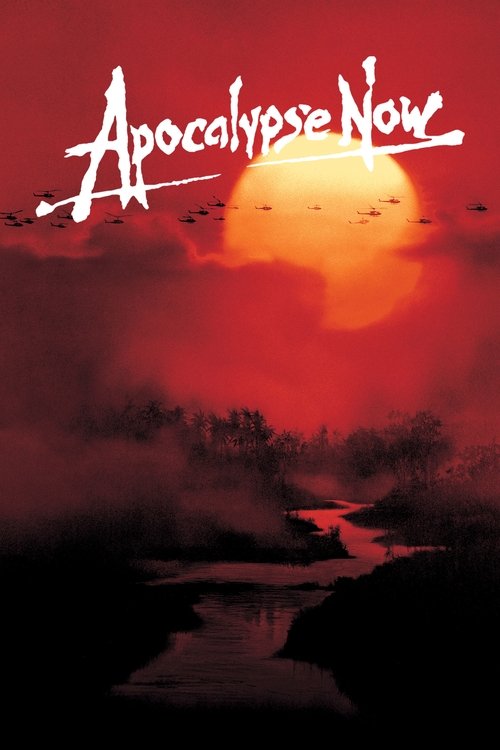
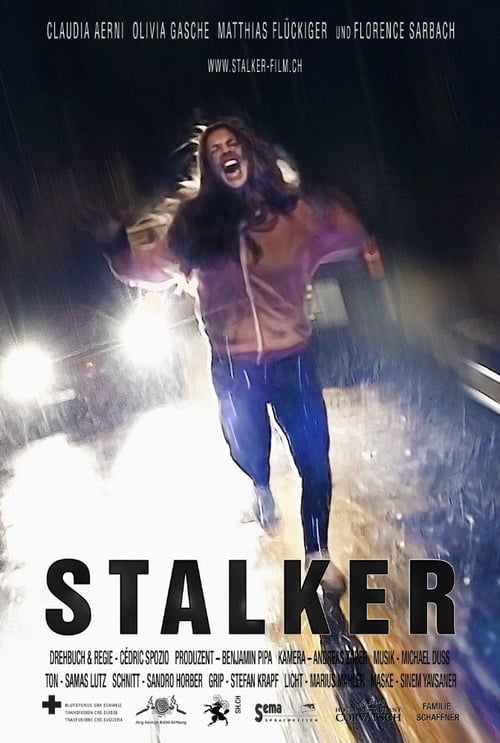
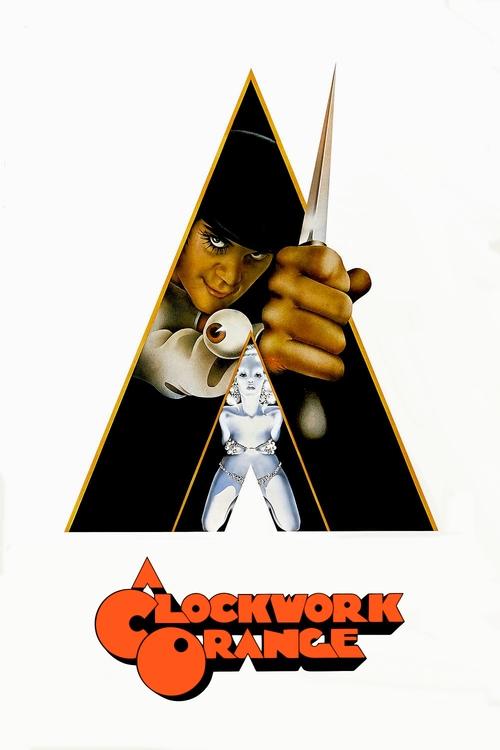
In a long French profile, Bienvenu drops the list you don't expect from the director of an animated children's film: Apocalypse Now. A Clockwork Orange. Tarkovsky's Stalker. Films that stayed with him for weeks, he says — "I love films that live in you for weeks afterwards. Those images pose deep questions."
Arco never imitates these films visually, but their influence explains its strangest quality: its willingness to be slow. There are long, quiet interludes of walking, staring at the sky, sitting in a classroom bubble floating above catastrophe. These moments feel closer to Tarkovsky or Rohmer than to Pixar. The burning forests aren't shot as disaster-movie spectacle — they're treated as moral landscapes, spaces where the image does the thinking instead of the dialogue.
For a family animation, that's a genuinely unusual rhythm. And it's the reason Arco lingers after the credits — not because it solved anything, but because it let you sit with the questions long enough to feel them.
The Pattern
Map all of Bienvenu's influences together and you get something rare: a filmmaker who uses spectacle (Dragon Ball Z, Miyazaki) to pull you in, fairy-tale logic (Grimm, Pinocchio) to structure the emotional journey, philosophical SF (Dick, Moebius) to ask the hard questions, and art-cinema patience (Tarkovsky, Rohmer) to let those questions breathe. The combination shouldn't work inside an animated film for families. That it does is the small miracle of Arco.
If you want to understand what Bienvenu is really doing — and you want a single film to start with — watch Princess Mononoke. Not because Arco copies it, but because it's the film that taught a teenager that animation could look reality in the eyes, refuse to flinch, and still leave you hopeful. Everything Bienvenu has made since is trying to do the same thing.